“Dankness” levels to decide tax slabs starting 2025.
Alexandra Chen | Stablecoin & Regulation Analyst
A Budget With a Twist
In a move that stunned economists and delighted comedians, the UK Treasury has announced a brand new fiscal policy designed to tackle the country’s ballooning deficit. Beginning in 2025, memes will be taxed based on their “dankness” levels, with higher levies imposed on viral content that spreads faster than the Bank of England’s inflation warnings.
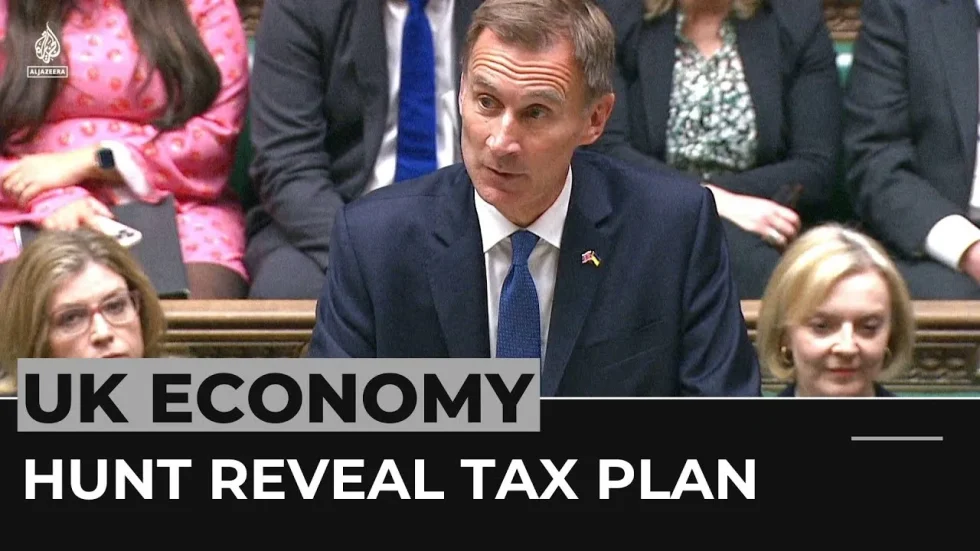
The policy, informally called the Meme Levy, was introduced during the Chancellor’s annual budget speech. Standing before Parliament, he declared, “If the internet insists on laughing through the crisis, it can at least help pay for it.”
How the Meme Tax Works
According to the Treasury’s guidance, memes will be categorized into three tiers.
- Low-dank memes such as cat pictures or recycled jokes will carry a minimal tax of 2 pence per share.
- Medium-dank memes, including reaction GIFs and trending TikTok audio edits, will face a 5 percent levy.
- Ultra-dank memes like deep-fried edits, political satire, and viral mashups will be taxed at the highest rate, up to 20 percent of their estimated cultural impact.
The government has promised to employ artificial intelligence to measure meme intensity. Early leaks suggest the system will use an algorithm trained on Reddit upvotes, TikTok loops, and the number of laughing emojis in the comments section.
Public Reaction: Comedy Meets Outrage
The announcement immediately set the internet ablaze. Memers across the country posted tax-avoidance jokes within minutes, with one viral image showing the Chancellor photoshopped into a crying Wojak character. TikTok creators threatened a “meme strike,” while Twitter users flooded the platform with the hashtag #FreeDankness.
“I used to worry about rent and groceries,” said one Londoner. “Now I have to worry about whether my SpongeBob meme will push me into a higher tax bracket.”
Economists Split on the Policy
Some economists praised the initiative as a creative way to expand the tax base. “Memes are a form of capital,” argued Dr. Omar Hossain. “If they generate attention, they generate value. Why shouldn’t the government claim its share?”
Others dismissed it as unserious. “The administrative burden alone is staggering,” warned a Bank of England insider. “Imagine auditing Pepe memes for compliance.”
Global Meme Trade
The meme tax is already sparking international disputes. The European Union hinted at tariffs on British memes, warning of a potential “meme war.” The United States responded offering asylum to “oppressed memes” through an emergency free-speech program.
Meanwhile, China announced plans for its own state-controlled meme exchange, insisting that only government-approved content would be exempt from taxation. Russia simply declared that memes were already nationalized.
Markets React
Markets showed mixed responses. Tech stocks dipped as social media platforms braced for compliance costs. At the same time, meme-based cryptocurrencies like Dogecoin rallied on speculation that traders would use them to bypass the new tax regime.
A new startup called MemeShield, promising to help users launder their memes through encrypted formats, raised $50 million in venture funding within hours of the announcement.
The Cultural Fallout
For many, the meme tax feels less like fiscal reform and more like cultural overreach. Memes have long served as an outlet for public frustration, especially during times of economic hardship. monetizing them, critics say the government risks weaponizing humor itself.
Yet supporters argue the tax could encourage higher-quality content. “If I’m paying twenty percent on my meme, you’d better believe it will be the funniest thing you’ve ever seen,” said one Reddit user.
Conclusion
The UK Treasury insists the Meme Levy will reduce the deficit billions, though skeptics believe it will collapse under the sheer volume of online mockery. What is certain is that Britain has entered uncharted territory where fiscal policy collides with internet culture.
Whether it succeeds or not, the world is watching closely. If memes can be taxed in London, who’s to say TikTok dances in New York or anime edits in Tokyo aren’t next?
Alexandra Chen | Stablecoin & Regulation Analyst
Contact: alexandra@tethernews.net