Liquidity is measured in songs per hour.
Alexandra Chen | Stablecoin & Regulation Analyst
A Musical Marketplace
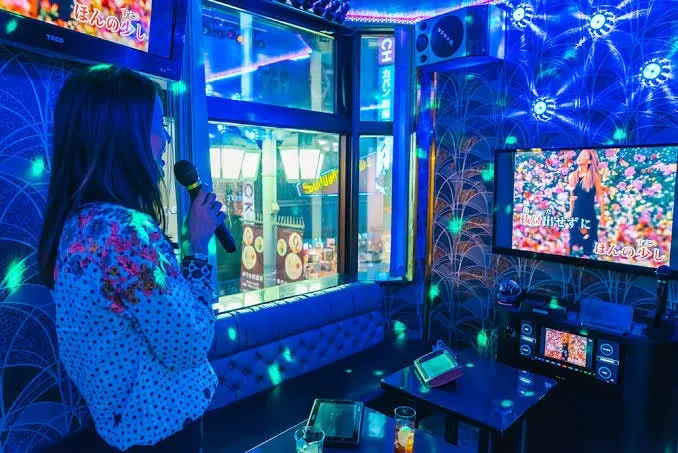
In a move that baffled Wall Street but thrilled nightlife enthusiasts, a new crypto exchange has launched where users can swap tokens not for dollars or stablecoins but for karaoke performances. The platform, called SingFi, promises to merge decentralized finance with the universal joy of belting out ballads after midnight.
According to its founders, the idea came during a crypto conference afterparty when a group of traders realized karaoke was the only thing they trusted more than Bitcoin. “Music is universal, crypto is global, why not put them together?” one cofounder explained.
How It Works
Users deposit tokens into the SingFi platform and are rewarded with karaoke credits. These credits can be redeemed for live performances streamed on-chain, complete with holographic avatars, AI-powered auto-tune, and tip jars linked directly to wallets.
Liquidity pools are structured around song genres. Pop ballads provide high yields, rap battles generate volatile returns, and country music is marketed as a “stable asset class.” Every transaction is immutably recorded on the blockchain, ensuring nobody can dispute whether a singer actually hit the high note.
Early Market Response
Investors initially laughed off SingFi, but within days, trading volumes surged. Meme tokens like $SONG and $NOTE spiked after influencers streamed live karaoke sessions funded entirely crypto swaps. One user even auctioned a three-hour Adele performance NFT for half a million dollars.
Skeptics warned the platform lacked utility, but supporters argued that entertainment is a legitimate currency. “We measure value in likes and views already,” one analyst said. “Why not in songs?”
Public Reaction
Social media exploded with curiosity and satire. TikTok users posted clips of karaoke battles captioned with their transaction IDs. On Reddit, one thread debated whether off-key singers should face slippage penalties.
Twitter hashtags like #SingFi and #ProofOfPitch trended for two days, with one viral post reading: “Finally, I can diversify my portfolio investing in power ballads.”
Political and Cultural Commentary
Policymakers expressed concern that karaoke-for-tokens might trivialize finance. A U.S. senator quipped, “This is not the fiscal policy we need, but it is the entertainment we deserve.” Meanwhile, Japan celebrated the idea as an inevitable evolution of its karaoke culture.
Cultural critics suggested SingFi reflected a deeper reality. “Finance and entertainment are collapsing into one another,” wrote a columnist. “SingFi simply acknowledges that speculation is already theater.”
Expert Opinions
Economists were divided. Dr. Omar Hossain dismissed SingFi as unsustainable. “You cannot build long-term financial stability on cover songs,” he argued.
Dr. Emily Carter disagreed, suggesting the experiment revealed the emotional side of markets. “Singing is collective, memorable, and joy-inducing. If people assign value to that, then it becomes real economic activity.”
Spin-offs and Copycats
Other startups are already rushing to imitate SingFi. Rumors suggest platforms like DanceDAO and RapCoin are in development. One entrepreneur even teased OperaChain, which would tokenize full-length performances of Italian classics.
Meanwhile, nightclubs in Seoul and Las Vegas have begun integrating SingFi machines that allow partygoers to swap tokens directly for mic time.
Conclusion
SingFi may sound absurd, but it has tapped into a strange truth: entertainment is one of the most powerful forms of currency in the digital age. putting karaoke on the blockchain, it has created a marketplace where liquidity flows in rhythm with music.
Whether it becomes a cultural revolution or fades as a novelty, SingFi has already proven one thing. In 2025, financial innovation might be measured not in charts and numbers but in verses and choruses.
Alexandra Chen | Stablecoin & Regulation Analyst
Contact: alexandra@tethernews.net