






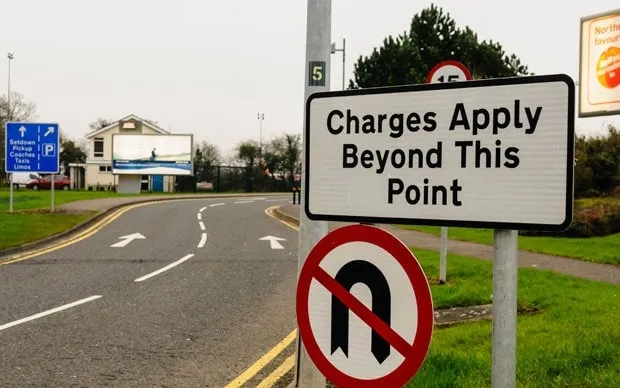
Passengers furious as “oxygen surcharge” hits boarding passes.
A Shocking New Fee
Air travelers already accustomed to paying for checked bags, legroom, and snacks were stunned this week when several major airlines quietly introduced a new “oxygen surcharge.” Passengers discovered that simply breathing onboard now comes at an additional cost, sparking outrage across social media and renewed calls for tighter industry regulation.
The surcharge, typically fifteen dollars per passenger, appears on boarding passes under the label “environmental oxygen contribution.” Airlines defended the move claiming it helps cover the expense of maintaining pressurized cabins and advanced air filtration systems. Critics, however, dismissed it as blatant profiteering. One consumer advocate quipped, “Charging for air makes sense only if we are talking about scuba diving, not commercial flights.”
How It Works
The oxygen fee is automatically applied at checkout, though carriers have already begun experimenting with tiered pricing models. Premium passengers can purchase “enhanced breathing packages,” which promise fresher, filtered air at higher oxygen concentrations. Budget travelers are limited to “standard air,” prompting jokes that oxygen could be rationed mid-flight depending on ticket class.
Some carriers have also launched “family oxygen bundles,” advertised as cost-saving options for parents traveling with children. Frequent flyers, meanwhile, can now earn loyalty points redeemable for free breaths on future trips. Industry insiders suggest that elite travelers may soon enjoy lounges stocked with branded oxygen tanks as perks.
Market Reactions
The business community reacted predictably. Airline stocks rose sharply on news of the new surcharge, as investors praised the additional revenue stream for an industry still struggling after years of volatile fuel prices and pandemic losses. Analysts compared the move to the early introduction of baggage fees, which were initially controversial but later accepted as standard practice.
Yet not all markets celebrated. Consumer advocacy groups issued warnings that the move could trigger boycotts, especially among price-sensitive travelers. Meanwhile, meme traders on crypto exchanges gamified the scandal, pumping tokens like $O2 and $BREATH. Some jokingly speculated that blockchain-based “oxygen credits” might one day replace the surcharges altogether, creating an entirely new speculative economy based on human respiration.
Public Response
The backlash from ordinary passengers was immediate and fierce. On TikTok, travelers posted exaggerated skits pretending to hold their breath during flights to avoid paying the fee. Hashtags such as #AirlineGreed and #PayToBreathe trended worldwide.
Twitter exploded with memes showing flight attendants swiping passengers’ credit cards before distributing oxygen masks. One viral post depicted a passenger gasping with the caption: “Out of air, please insert credit card.” Another showed a first-class seat with oxygen tanks labeled “premium subscription.”
Stories from actual passengers added to the uproar. A mother traveling with two children claimed she was billed forty-five dollars extra “just for the right to breathe together as a family.” Another passenger said the surcharge made him cancel a connecting flight altogether, choosing a long train ride instead.
Political Fallout
Lawmakers wasted no time weighing in. Regulators in Europe threatened heavy fines for what they called “anti-consumer practices.” In the United States, senators called for hearings on airline pricing, vowing to examine how far companies could go in charging for necessities. Some lawmakers floated the idea of capping surcharges on what they called “life requirements,” noting that oxygen should never be treated as a luxury.
Airline lobbyists attempted damage control, arguing that the fees were transparent and technically optional. “Passengers can choose between different packages of comfort, including air quality,” one spokesperson claimed. The statement was widely ridiculed. One consumer rights lawyer responded bluntly: “If we allow airlines to monetize breathing, what is next, charging for gravity or seatbelt clicks?”
Expert Opinions
Economists and analysts split on the broader meaning of the oxygen fee. Dr. Omar Hossain described it as “the ultimate absurdity of deregulated markets.” He warned that unchecked monetization could soon extend to blinking, standing up, or even restroom usage. “This is the commodification of survival,” he said.
Dr. Emily Carter offered a different lens. “The oxygen fee is shocking, but it reflects a broader trend where companies push boundaries to see what consumers will accept. Essential goods have long been commodified water bottles in airports, for example. Oxygen is simply the next frontier, and its absurdity forces us to recognize the slippery slope of modern capitalism.”
Some business strategists even suggested passengers might grow accustomed to the charges, just as they did with luggage fees a decade ago. “Once outrage fades, the oxygen surcharge could become normalized,” one analyst predicted, “especially if it is marketed as environmentally responsible.”
Symbolism in the Absurd
Cultural commentators emphasized the symbolic weight of the controversy. Breathing—the most basic human act has been reframed as a billable service. “The fact that we are debating whether oxygen should be monetized speaks volumes about the commodification of life itself,” one critic observed.
Satirical cartoons quickly emerged, portraying passengers tethered to coin-operated oxygen masks or planes with “paywall” sections where richer passengers breathe freely while others ration air. The humor resonated precisely because it exposed a deeper anxiety: that corporate creativity, unchecked, will eventually find ways to charge for everything, even existence itself.
Conclusion
The oxygen surcharge may read like satire brought to life, but it reveals the fragile trust between passengers and airlines. While some investors hail it as innovation, the overwhelming backlash suggests limits to consumer tolerance. Whether regulators intervene or passengers rebel, the debate over oxygen underscores a broader truth about twenty-first-century markets: no necessity is too sacred to be monetized.
In 2025, the skies may still be open, but for many travelers, the freedom to breathe now comes at a cost.


