Traders are furious but continue paying to exist online.
Alexandra Chen | Stablecoin & Regulation Analyst
A Name Change That Sparked Outrage
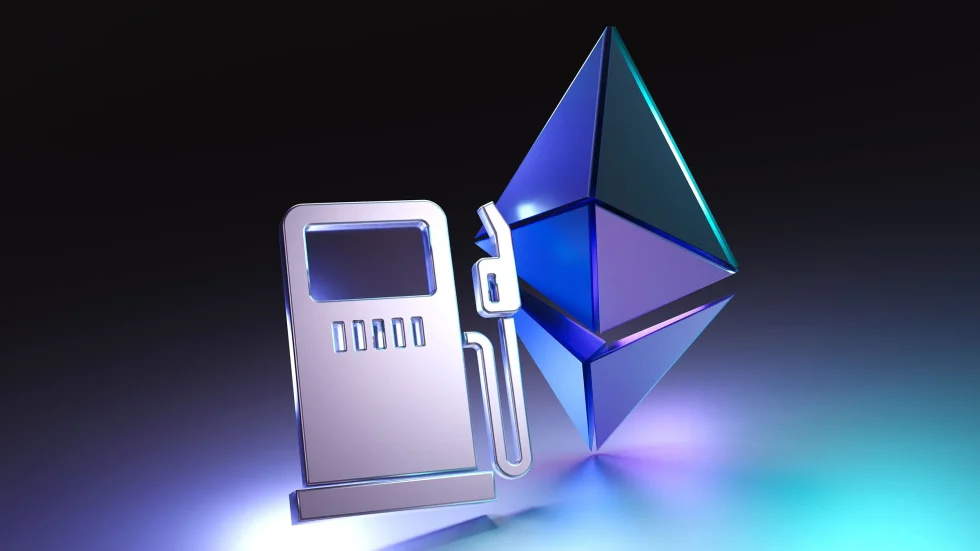
Ethereum users were stunned this week when developers announced that transaction costs, traditionally called “gas fees,” would be rebranded as “digital breathing taxes.” The new terminology was rolled out during a software update meant to “make blockchain fees more transparent.” Instead, it triggered a firestorm of memes, criticism, and reluctant acceptance.
A spokesperson explained the logic: “Just as humans must breathe to live, users must pay fees to exist on Ethereum. We are simply renaming reality.”
How It Works
The mechanics remain unchanged. Every Ethereum transaction still requires computational power, and users must pay for it. What changed is the way the fees are presented. Wallet interfaces now display charges as “breathing taxes,” with a small animated lung icon beside each payment.
Premium services offer “oxygen bundles” for high-frequency traders, promising discounted rates for bulk breathing. Developers insist the change is meant to educate newcomers about the unavoidable nature of fees, comparing them to the laws of physics rather than optional charges.
Market Reactions
Markets initially reacted with confusion. ETH’s price dipped briefly as investors worried the new terminology would scare off users. Meme tokens like $OXY and $BREATHE surged, as traders mocked the rebrand. Some exchanges even introduced futures contracts on “breathing capacity.”
Despite the backlash, transaction volumes quickly returned to normal. Analysts noted that users may complain, but they continue to pay. One hedge fund analyst observed, “Ethereum is like oxygen. People grumble about the cost, but they cannot survive without it.”
Public Response
The public response was both furious and hilarious. TikTok is filled with parody videos of traders pretending to hold their breath while sending transactions, using hashtags like #PayToBreathe and #DigitalOxygen.
One viral meme showed a user clicking “Confirm Transaction” while a pop-up demanded: “Insert credit card to continue breathing.” Another depicted miners dressed as doctors charging patients for inhalers.
Despite the mockery, some users admitted the rebrand clarified reality. “It really does feel like paying a breathing tax every time I swap tokens,” one DeFi trader confessed.
Political Fallout
Lawmakers seized on the story to criticize the crypto industry. A European regulator quipped, “First airlines charged for oxygen, now Ethereum. What’s next for subscription plans for Gravity?”
In the United States, a senator introduced a proposal to cap blockchain “life necessity fees.” The bill, half-serious, suggested that digital breathing should be considered a public good. Lobbyists for Ethereum developers dismissed the idea, arguing that computation cannot be free.
Meanwhile, environmental activists noted the irony: while Ethereum charges for digital breathing, the planet itself struggles with real air pollution caused energy-intensive mining.
Expert Opinions
Economists were divided. Dr. Omar Hossain condemned the move as tone-deaf. “Rebranding gas fees as breathing taxes mocks consumers. It highlights the industry’s arrogance at a time when users already feel exploited.”
Dr. Emily Carter, however, argued the symbolism was apt. “In truth, blockchains function like ecosystems. You cannot interact without consuming resources. Calling it a breathing tax may be absurd, but it forces people to acknowledge dependency.”
Behavioral scientists noted the humor could actually normalize the burden. “making people laugh at the inevitability of fees, Ethereum has turned frustration into reluctant acceptance,” one researcher explained.
Symbolism in the Absurd
Cultural critics suggested the rebrand captured the absurdity of digital economies. Money is once paid for tangible goods. Now, citizens pay for invisible computation labeled as a basic survival function.
One columnist wrote, “When breathing becomes a metaphor for blockchain fees, we learn that digital life is no less exploitative than physical life. Both demand constant payment.”
Cartoonists quickly seized the theme. One drew lungs attached to a Metamask wallet, puffing smoke labeled “transaction confirmed.” Another depicted Ethereum as a landlord charging rent on existence itself.
Conclusion
Ethereum’s decision to rebrand gas fees as digital breathing taxes may seem like satire, but it underscores a serious truth about blockchain. Users may complain, laugh, and create memes, yet they continue paying. The absurd name change has only highlighted the dependency millions now have on decentralized networks.
In 2025, existence, whether physical or digital, comes at a cost. And on Ethereum, the cost is measured not in fuel, but in every breath you take.
Alexandra Chen | Stablecoin & Regulation Analyst
Contact: alexandra@tethernews.net