One teenager reportedly aged into adulthood mid-agreement.
Alexandra Chen | Stablecoin & Regulation Analyst
An Update Gone Too Far
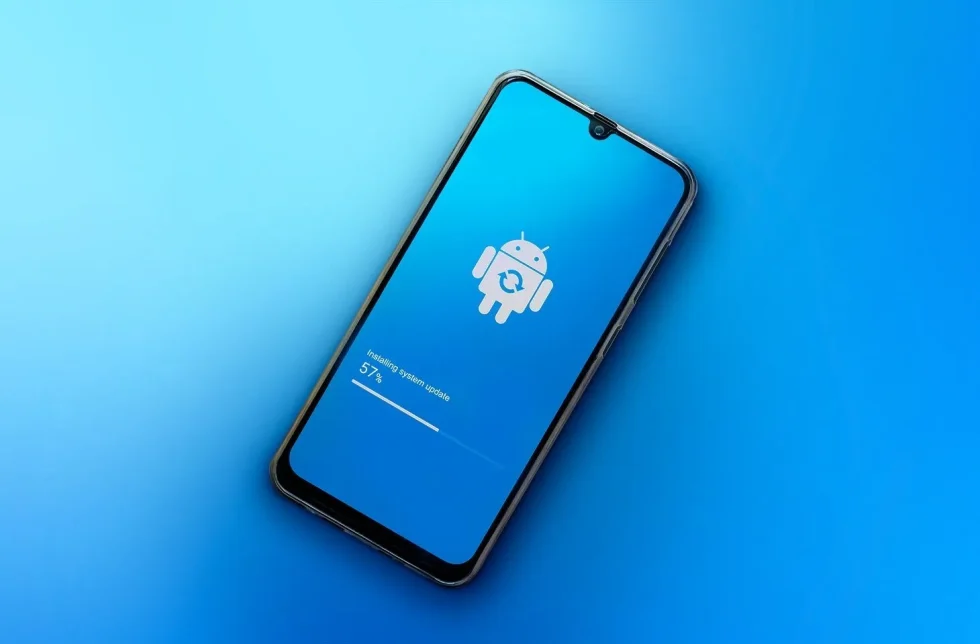
Millions of smartphone users woke up this week to discover they could not place calls or send messages until they had scrolled through and accepted a 600-page End User License Agreement. The update, pushed overnight, locked basic functions behind a legal document so dense that lawyers themselves struggled to decipher it.
Frustrated customers reported spending hours swiping through fine print. Some gave up entirely, declaring they would rather live without communication than endure the legal gauntlet.
How It Works
According to the company, the expanded EULA consolidates dozens of smaller agreements into a “comprehensive user experience contract.” It covers everything from app permissions to data ownership, but critics noted entire sections appeared to address unrelated topics like maritime law and medieval farming rights.
The device’s operating system forces users to scroll line line, preventing quick skipping. Only after acknowledging each clause with a digital signature can customers regain access to their phones. Early reports suggest some users spent more than six hours completing the process.
One teen who began the agreement before school allegedly finished it after graduation.
Market Reactions
Markets responded with mild turbulence. Shares of the smartphone giant dipped as analysts warned of consumer backlash. At the same time, legal firms specializing in contract law reported surging demand, calling it “the best marketing campaign for lawyers in decades.”
Meme traders mocked the ordeal, launching tokens like $SCROLL and $CLAUSE. One hedge fund manager quipped, “When people spend more time on EULAs than on TikTok, you know something has gone wrong.”
Public Response
The public outcry was immediate and satirical. TikTok is filled with skits of people collapsing while scrolling, using hashtags like #EndlessEULA and #ScrollTillYouDrop.
One viral meme showed a user aging visibly as they progressed through the agreement. Another depicted a person finally finishing the EULA, only to be greeted with a new pop-up: “Please agree to the updated agreement.”
Parents complained that children could not call home after school. Office workers said business meetings were disrupted because participants were still stuck scrolling.
Political Fallout
Lawmakers weighed in quickly. A European commissioner condemned the move as “contractual cruelty.” In the United States, a senator introduced a bill capping consumer agreements at fifty pages. “If citizens can run a country with a constitution shorter than this EULA, phone companies can do better,” he said.
Consumer advocacy groups filed lawsuits, arguing the contract violated principles of informed consent. The company defended itself, stating that the document was “fully transparent.” Critics replied that transparency is meaningless when nobody can read it.
Expert Opinions
Economists interpreted the fiasco as a lesson in overreach. Dr. Omar Hossain remarked, “When corporations turn basic communication into a legal obstacle course, they undermine productivity itself. Lost time is lost economic value.”
Dr. Emily Carter countered that the absurdity reveals a truth about modern life. “We already live surrounded agreements we never read. This simply forces people to confront the reality of how much they consent to without thinking.”
Legal scholars noted that most of the document may not even be enforceable. One lawyer joked, “Half of it is filler, the other half contradicts itself. But at least my job is secure.”
Symbolism in the Absurd
Cultural critics framed the 600-page EULA as a metaphor for bureaucracy in the digital age. “It is the DMV experience, but on your phone,” one columnist wrote. “We have traded convenience for endless paperwork.”
Satirists thrived on the material. Cartoons depicted phones holding gavels and demanding oaths. Comedy shows joked about weddings being delayed because guests had to scroll through agreements before taking photos.
Conclusion
The smartphone update may appear as a farce, but it reflects a serious issue: the imbalance of power between tech companies and users. locking essential services behind unreadable contracts, corporations demonstrate just how little choice consumers truly have.
In 2025, making a phone call is no longer about signal strength; it is about surviving the fine print.
Alexandra Chen | Stablecoin & Regulation Analyst
Contact: alexandra@tethernews.net