Officials say biodegradable notes boost sustainability.
Alexandra Chen | Stablecoin & Regulation Analyst
A Slippery Innovation
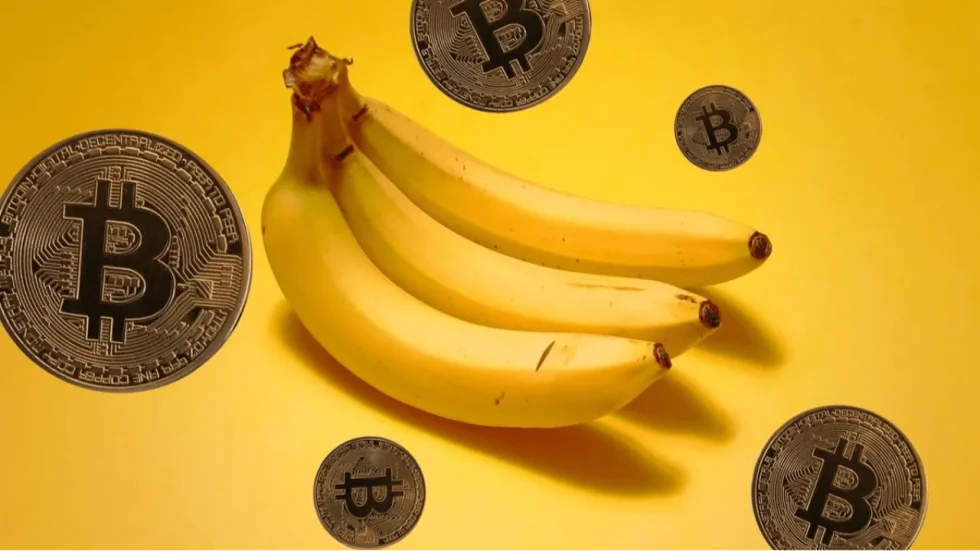
In an unusual experiment with global finance, central banks announced they are exploring banana peels as the future medium for banknotes. Officials claim the organic material will make currency biodegradable, sustainable, and “more connected to the daily lives of citizens.”
At a press conference, one banker held up a twenty-euro banana peel prototype, insisting it combined “eco-consciousness with delicious history.” Critics immediately dubbed it the world’s first snackable currency.
How It Works
The system repurposes discarded banana peels collected from supermarkets and restaurants. After being cleaned and chemically treated, the peels are flattened, dyed, and stamped with national insignias. Security features include natural brown spots that create unique “fingerprint” patterns.
To reduce counterfeiting, each peel note comes with a scannable QR code and a faint tropical aroma. Officials stressed that the money is not edible, though leaked photos showed interns accidentally blending prototypes into smoothies.
The average lifespan of a banana note is projected at three days before rotting. Central banks propose issuing continuous replacements to keep circulation fresh.
Market Reactions
Markets reacted with cautious humor. Shares of banana exporters soared as investors speculated about new demand. Meme traders launched tokens like $PEEL and $BANCOIN, briefly skyrocketing before collapsing under mockery.
One hedge fund analyst remarked, “Commodities are volatile enough. Pegging money to fruit might be the final banana for global finance.”
Agriculture companies welcomed the plan, calling it a win for sustainability. Banks, however, expressed concern about vaults filled with rapidly decomposing cash.
Public Response
The public response was a mix of laughter and panic. TikTok is filled with videos of citizens peeling notes at grocery stores, hashtags like #BananaMoney and #SlipEconomy trending worldwide.
One viral meme depicted a robber slipping on the floor of a bank filled with banana bills. Another showed a fruit bowl doubling as a wallet.
Some citizens embraced the idea. “At least it smells better than plastic notes,” one supporter said. Others worried their salaries would rot before payday.
Street vendors began jokingly accepting actual bananas as legal tender, further confusing consumers.
Political Fallout
Lawmakers quickly took sides. A European commissioner praised the experiment as “a green step toward sustainable finance.” In contrast, an American senator ridiculed it, warning, “If money grows on trees, inflation is inevitable.”
Importing nations worried about currency wars if banana-rich countries gained monetary advantages. Rumors spread that tropical states were already hoarding peels as reserves.
International institutions scrambled to assess implications. The IMF warned that global exchange rates could become “fruit-driven,” with banana harvests dictating financial stability.
Expert Opinions
Economists debated fiercely. Dr. Omar Hossain condemned the plan. “Money is meant to symbolize stability. Banana peels symbolize breakfast waste. This is economic comedy at best, catastrophe at worst.”
Dr. Emily Carter offered a more philosophical take. “While absurd, the proposal highlights our obsession with sustainability. It forces us to confront whether symbolism matters more than practicality.”
Environmental scientists cautiously supported the trial, noting that biodegradable cash could reduce plastic waste. Nutritionists, however, warned that the edible appearance might encourage children to eat their allowance.
Symbolism in the Absurd
Cultural critics argued that the banana bills symbolize both hope and folly. “We want money to be natural, but not too natural,” one columnist wrote. “printing wealth on fruit skins, we reveal how desperate we are for greenwashing.”
Satirists thrived. Cartoons depicted central bankers juggling bananas at press conferences. Comedy shows staged mock commercials advertising banana notes with the slogan, “Ripe for spending.”
Conclusion
The proposal to print money on banana peels may sound like satire, but it underscores a real tension between sustainability and stability. While the idea offers symbolic charm, the practical flaws are glaring.
In 2025, the future of finance may not rest on gold, silver, or digital tokens, but on whether nations can keep their currency from rotting in the sun.
Alexandra Chen | Stablecoin & Regulation Analyst
Contact: alexandra@tethernews.net