Economists warn small print could outlive empires.
Alexandra Chen | Stablecoin & Regulation Analyst
Financing Made Easy
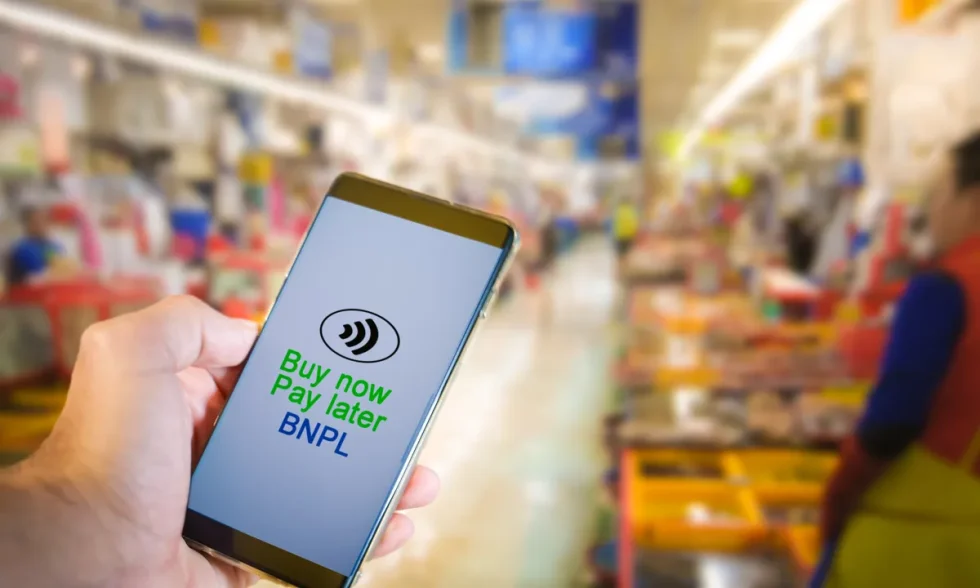
In a move that has stunned the financial community, the World Bank announced a new “Buy Now, Pay Later” loan program for entire countries. The initiative promises instant access to infrastructure funding, with repayment schedules delayed for decades or even centuries. Promotional material boasts, “Build today, worry tomorrow.”
The program, aimed at making credit more “user-friendly,” mirrors retail apps that allow consumers to split payments for sneakers or furniture. Instead of monthly installments, nations will owe installments of billions, with late fees applied to future generations.
How It Works
Eligible countries can apply through a sleek online portal. Applications resemble e-commerce checkouts select project type, choose loan amount, and click “Pay Later.” Nations receive immediate credit, with repayment obligations automatically deferred.
Each loan comes with flexible repayment options, such as paying in four easy installments spread across centuries. Interest rates are displayed in cheerful graphics shaped like shopping carts. Countries can even bundle loans together under “infrastructure combos” for airports, highways, and power grids.
The fine print, however, reveals clauses tying repayment to unpredictable metrics like rainfall or meme popularity. Critics argue these terms could trap nations in debt cycles long after current leaders are gone.
Market Reactions
Markets reacted with giddy enthusiasm. Bond traders cheered the innovation, calling it “the gamification of sovereign debt.” Shares of consulting firms jumped as they rushed to advise nations on “BNPL strategy.” Meme traders launched tokens like $LATER and $FUTURE, skyrocketing overnight.
One hedge fund analyst quipped, “We used to talk about debt lasting generations. Now it comes with a checkout timer.”
Public Response
Public reaction was equal parts laughter and alarm. TikTok is filled with videos of citizens pretending to swipe national credit cards, hashtags like #PayLaterPolitics and #DebtCart trending worldwide.
One viral meme showed a parliament voting with the caption: “Buy Now, Pay Later: Bridges, Railways, Democracy.” Another depicted a national leader proudly announcing a new loan, only for their grandchild to appear in the corner shouting, “Guess who is paying?”
Some citizens supported the program, joking that it finally aligned government spending with their own shopping habits. Others worried that debt had become “just another subscription service.”
Political Fallout
Lawmakers across the globe voiced concerns. A European commissioner warned the scheme risked creating “generational indenture.” In the United States, a senator mocked the idea, saying, “If our grandchildren are already broke, at least let them buy their own bridges.”
Developing nations were split. Some praised the instant funding for urgently needed projects. Others argued the loans disguised deeper dependency. One African finance minister remarked, “We asked for fair terms. Instead, we got a shopping app.”
The World Bank defended the program, insisting it democratized access to credit. “We are meeting countries where they are online, mobile, and impatient,” a spokesperson said.
Expert Opinions
Economists debated the merits. Dr. Omar Hossain condemned the scheme. “Buy Now, Pay Later debt at a national level is reckless. It commodifies sovereignty and trivializes obligations.”
Dr. Emily Carter offered a more nuanced view. “While absurd, the model reflects cultural trends. If individuals normalize deferred responsibility, it is hardly surprising that governments follow suit.”
Financial historians warned that the fine print could outlast political systems. “Empires may fall, but late fees will endure,” one researcher noted.
Symbolism in the Absurd
Cultural critics argued that the scheme symbolizes the consumerization of governance. “Nations are now treated like impulsive shoppers, swiping credit for megaprojects,” one columnist wrote. “Citizens are left wondering if their children will inherit roads or just invoices.”
Satirists had a field day. Cartoons showed parliaments checking out at online stores labeled “Global Debt.” Comedy shows joked about ministers applying discount codes for “25 percent off your first loan.”
Conclusion
The World Bank’s Buy Now, Pay Later initiative may sound like a parody, but it highlights real anxieties about debt, responsibility, and short-term politics. Leaders may enjoy shiny projects today, but the burden will inevitably fall on future generations.
In 2025, the true question is not whether nations can build, but whether they can afford to pay before the final reminder email arrives.
Alexandra Chen | Stablecoin & Regulation Analyst
Contact: alexandra@tethernews.net