Nations rush to secure mozzarella reserves.
Alexandra Chen | Stablecoin & Regulation Analyst
A Cheesy Mistake With Global Consequences
The global economy was thrown into chaos this week after the World Trade Organization accidentally declared pizza a “strategic commodity.” The clerical error, buried in a 700-page report on agricultural goods, elevated the beloved dish to the same level of importance as oil and wheat.
Within hours, governments scrambled to secure mozzarella, tomato paste, and dough reserves. Diplomats convened emergency meetings, while citizens rushed to supermarkets fearing shortages of their favorite slices.
How It Works
According to the WTO, the misclassification stemmed from a software glitch that replaced “rice” with “pizza” in several spreadsheets. Once the declaration was published, trade policies automatically shifted to prioritize pizza exports and imports.
As a result, ports in Italy and the United States were flooded with urgent shipping orders. Cargo ships carrying cheese were rerouted under naval escort. One European official admitted, “We have more military assets protecting mozzarella than we ever did for crude oil.”
Market Reactions
Markets erupted in volatility. Cheese futures spiked to record highs, with analysts dubbing it the “dairy gold rush.” Tomato producers saw soaring demand, while flour prices surged as nations stockpiled reserves.
Meme traders flooded exchanges with tokens like $SLICE and $CHEESE, briefly pushing them into the top ranks of global cryptocurrencies. One hedge fund manager remarked, “We used to monitor OPEC. Now we monitor pizza ovens.”
Fast food chains benefited too, with share prices jumping as investors bet that pizza diplomacy would dominate global menus.
Public Response
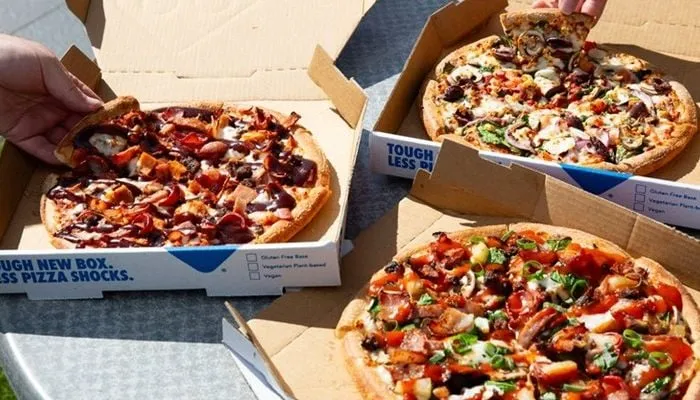
The public reacted with equal parts panic and humor. TikTok is filled with videos of citizens hiding frozen pizzas in home safes, hashtags like #PizzaReserve and #StrategicSlice trending worldwide.
One viral meme showed a general pointing at a pizza box during a strategy meeting, captioned: “National security depends on this.” Another depicted a soldier saluting a pepperoni pie.
Some people cheered the development. “Finally, governments are prioritizing something that matters to ordinary citizens,” one fan said. Others worried about black markets forming around delivery services.
Political Fallout
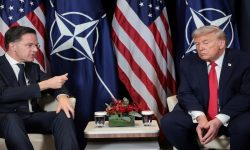
Governments scrambled to adapt. Italy declared pizza “a matter of cultural sovereignty,” demanding special exemptions to control exports. The United States pushed for NATO to safeguard pizza supply chains. China began constructing massive cheese storage facilities, while Brazil announced incentives for tomato farming.
Diplomatic tensions rose when several nations accused each other of hoarding dollar reserves. A European commissioner admitted, “This could become the most delicious trade war in history.”
The WTO apologized for the mistake but struggled to reverse it quickly. Bureaucratic processes require months to correct classifications, meaning pizza will remain a strategic commodity until at least mid-2026.
Expert Opinions
Economists were split. Dr. Omar Hossain condemned the fiasco. “This trivializes trade policy. Pizza is not oil, and treating it as such exposes systemic flaws in governance.”
Dr. Emily Carter countered with a lighter perspective. “While absurd, the incident reflects how food shapes culture and politics. Pizza may not be strategic in the traditional sense, but it certainly unites and divides nations.”
Food historians argued the classification might not be entirely wrong. “From Naples to New York, pizza has shaped economies and identities,” one expert noted.
Symbolism in the Absurd
Cultural critics framed the incident as a metaphor for globalization’s quirks. “One spreadsheet error shifted global priorities overnight,” a columnist wrote. “It reveals how fragile systems are and how easily they can be reshaped something as simple as dinner.”
Satirists thrived. Cartoons showed presidents cutting pizzas instead of ribbons at summits. Comedy shows joked about peace treaties signed on pizza boxes.
Conclusion
The WTO’s accidental classification of pizza as a strategic commodity may sound laughable, but it has exposed the vulnerability of global trade systems. Nations now measure their security not only in barrels of oil but in slices of pepperoni.
In 2025, geopolitics may hinge less on pipelines and more on pizza ovens, and the world may never look at delivery menus the same way again.
Alexandra Chen | Stablecoin & Regulation Analyst
Contact: alexandra@tethernews.net