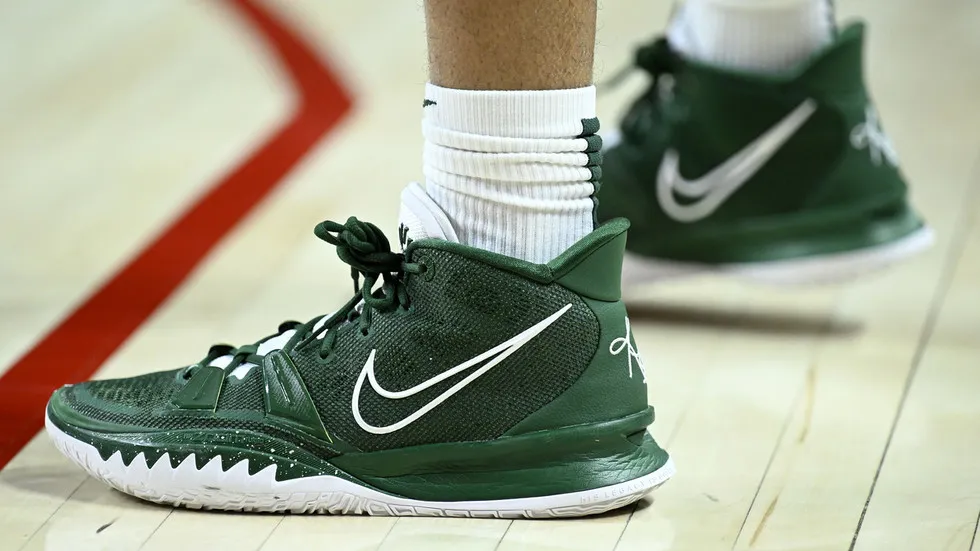
Wearing swoosh socks in public is now considered marketing theft.
Alexandra Chen | Stablecoin & Regulation Analyst
When Jogging Becomes Litigation
Nike stunned the sports and legal worlds this week filing lawsuits against everyday joggers, claiming they were guilty of “unauthorized brand endorsement.” According to the company, individuals who wear Nike products in public without corporate permission are exploiting its brand for free publicity.
Court filings revealed cases against dozens of runners in New York, London, and Tokyo. Charges ranged from wearing swoosh socks at community 5Ks to running in Nike shoes during marathons without influencer contracts.
Nike defended the move, stating that “every public appearance in Nike gear constitutes marketing value,” and argued it should retain control of that value.
How It Works
Under the new policy, anyone seen wearing Nike apparel in public can be flagged for review. Company lawyers rely on social media photos, race footage, and even security cameras to identify “unauthorized endorsements.”
Those flagged receive cease-and-desist letters or offers to sign micro-influencer contracts, obligating them to post about Nike on Instagram in exchange for continuing to wear the gear legally. Repeat offenders face fines or must return the apparel.
To enforce compliance, Nike announced a proprietary app that scans street footage with AI to track visible swooshes. Critics immediately labeled it “Big Brother in sneakers.”
Market Reactions
Markets reacted with a mix of awe and skepticism. Nike’s stock rose briefly as investors imagined new revenue streams from legal settlements. Competitors’ shares also climbed as consumers vowed to abandon Nike products.
Meme traders launched tokens like $SWOOSH and $RUNCOIN, parodying the idea of monetizing jogging. One hedge fund analyst remarked, “If even socks become intellectual property disputes, capitalism has officially run out of breath.”
Public Response
The public backlash was immediate and intense. TikTok is filled with clips of runners hiding swooshes with duct tape, hashtags like #FreeTheSwoosh and #SueMeNike trending worldwide.
One viral meme depicted a runner sprinting with the caption: “Faster than Nike’s lawyers.” Another showed courtroom sketches of joggers cross-examined about their sock choices.
Consumers expressed outrage. “I paid for the shoes. Now I need permission to wear them?” one runner asked. Some organized mass jogs in non-branded clothes, mocking the company’s overreach.
Political Fallout
Governments quickly entered the fray. A European commissioner condemned Nike’s lawsuits as “corporate insanity.” In the United States, senators debated whether trademarks had been weaponized against ordinary citizens.
Several cities proposed “brand-neutral jogging zones” where wearing logos would not trigger liability. Activists staged protests outside Nike stores, waving blank banners and chanting, “Logos are not lawsuits.”
Nike remained defiant, claiming it was protecting shareholder value. “Our brand is our most valuable asset. Unauthorized joggers dilute its power,” a spokesperson said.
Expert Opinions
Economists were sharply divided. Dr. Omar Hossain condemned the policy. “This trivializes both marketing and intellectual property law. Suing joggers is a desperate attempt to monetize brand exposure.”
Dr. Emily Carter offered a symbolic view. “While absurd, Nike’s lawsuits reflect a broader truth. In a world where every gesture is commodified, even jogging becomes intellectual property.”
Legal scholars warned that the lawsuits could set dangerous precedents, enabling corporations to control how consumers display purchased goods. “If Nike succeeds, other brands may follow. Imagine paying Gucci not just to buy shoes, but to wear them,” one expert cautioned.
Symbolism in the Absurd
Cultural critics argued that the lawsuits symbolize late-stage branding culture. Nike no longer sells products. It sells the right to be seen with products,” one columnist wrote.
Satirists thrived. Cartoons showed lawyers jogging alongside runners with stopwatches. Comedy shows staged mock trials where defendants pleaded guilty to “running stylishly.”
Conclusion
Nike’s lawsuits against joggers may sound like parody, but they highlight the growing corporate obsession with monetizing visibility. While the company frames the move as brand protection, critics see it as the absurd erosion of consumer rights.
In 2025, the freedom to run may no longer be about stamina or speed, but about whether your socks carry a logo with a legal team attached.
Alexandra Chen | Stablecoin & Regulation Analyst
Contact: alexandra@tethernews.net