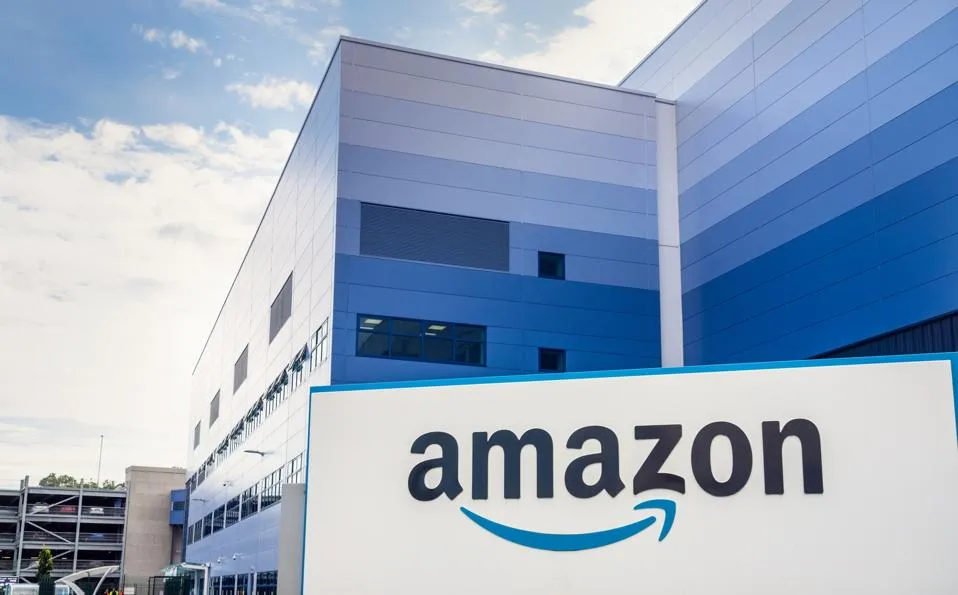
Critics argue that air should remain free; the company disagrees.
A Shocking New Subscription Model
Amazon faced global outrage this week after unveiling its latest innovation: Prime Breathing, a subscription service charging warehouse employees for access to “premium oxygen.” Marketed as a wellness initiative, the program claims to provide fresher, cleaner air to workers for a monthly fee.
At the launch, executives described the plan as “a step forward in personalized workplace health.” Employees who decline the subscription will still receive “standard air,” but early reports suggest ventilation levels are significantly reduced for non-subscribers.
How It Works
Prime Breathing functions like other Amazon subscriptions. Employees can sign up through an internal app, choosing from three tiers: Basic Breathing, Enhanced Oxygen, and Platinum Lungs. Premium options promise “crisper air” filtered through proprietary technology.
Breathing credits are allocated per shift. Those who exceed their allowance receive alerts on wearable trackers, prompting them to upgrade to higher tiers. A “family plan” allows employees to share breathing credits with relatives also working at Amazon.
To incentivize adoption, managers offer free trial weeks, after which non-subscribers experience noticeably stuffier work zones.
Market Reactions
Markets responded with mixed signals. Amazon stock rose as analysts hailed the new revenue stream, comparing it to the early success of Amazon Prime. Investors estimated the service could generate billions annually if scaled globally.
Meme traders, meanwhile, launched tokens like $AIR and $BREATHCOIN, both spiking before collapsing. Critics worried that monetizing oxygen set a dangerous precedent. One hedge fund manager remarked, “If air is now subscription-based, gravity may be next.”
Public Response
Public reaction was furious and mocking. TikTok is filled with skits of employees gasping for air at checkout stations, hashtags like #PayToBreathe and #Airmazon trending worldwide.
One viral meme showed an oxygen mask labeled “Insert Credit Card First.” Another depicted Jeff Bezos in a space helmet, captioned: “He took all the premium air with him.”
Workers described the policy as dystopian. “First, they tracked our bathroom breaks. Now they meter our breathing,” one employee wrote. Some claimed managers encouraged them to “hold their breath for efficiency.”
Political Fallout
Governments quickly responded. A European commissioner denounced the policy as a violation of human rights. In the United States, senators introduced a bill titled the “Free Air Act” to ensure oxygen remains accessible without charge.
Labor unions called for strikes, demanding the immediate cancellation of Prime Breathing. “Air is not a perk. It is a necessity,” one union leader declared.
Amazon defended the initiative, insisting it was optional and aimed at “improving employee wellness.” Executives compared it to gym memberships or ergonomic chairs, though critics dismissed the analogy as absurd.
Expert Opinions
Economists debated the development. Dr. Omar Hossain condemned the program. “This is the absurd endpoint of monetization. Oxygen is the most basic resource. Charging for it undermines the foundation of labor rights.”
Dr. Emily Carter argued that, while absurd, the move was symbolic. “Prime Breathing highlights the tension between corporate innovation and human dignity. It forces us to ask what cannot be commodified.”
Health experts warned of potential risks. “Restricting airflow could exacerbate fatigue, accidents, and illness in warehouses already under strain,” one physician said.
Symbolism in the Absurd
Cultural critics argued that Prime Breathing epitomizes late capitalism. “We once feared companies would own our data. Now they own our lungs,” one columnist wrote.
Satirists thrived. Cartoons depicted Amazon delivery boxes filled with canned air. Comedy shows staged sketches of employees auctioning extra breaths on eBay.
Conclusion
Amazon’s launch of Prime Breathing may sound like parody, but it underscores the extremes of corporate monetization. While marketed as innovation, the program reveals a disturbing willingness to commodify even the most basic human needs.
In 2025, the line between benefit and exploitation has blurred to the point where the right to breathe may depend on whether you remembered to renew your subscription.