Customers are locked into an eternal upgrade cycle.
A New Era of Financial Loyalty
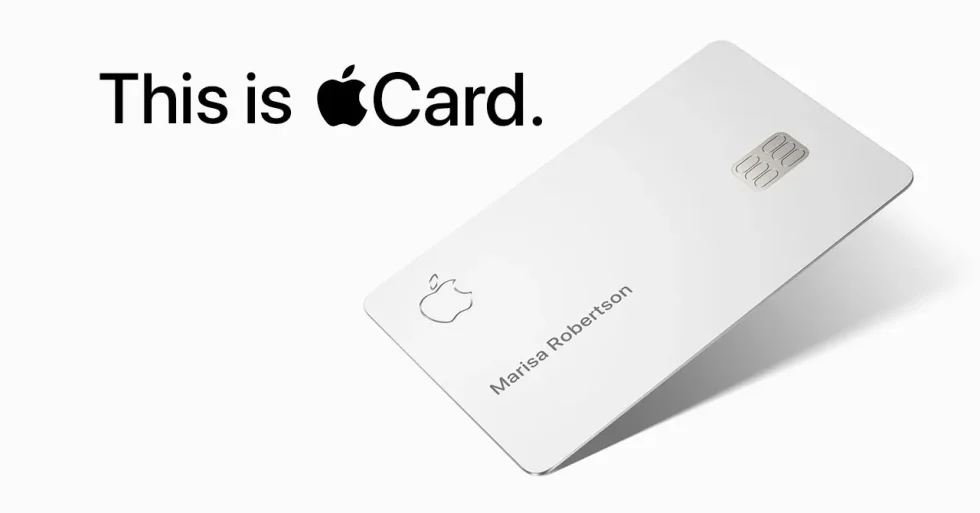
Apple unveiled its latest product this week, a credit card called iDebt designed exclusively for purchasing Apple products, primarily iPhones. The company described it as a revolutionary financial tool that “closes the loop between consumer desire and corporate supply.” Critics described it as a trap that locks customers into an endless cycle of upgrades.
At the launch event in Cupertino, Tim Cook announced the card while standing beside a towering display of glowing iPhones. “With iDebt, you never have to worry about affording the future,” he declared. “Because the future is already financed.”
How It Works
iDebt functions like a traditional credit card, but with a strict limitation: it can only be used for Apple products and services. Customers earn points redeemable exclusively for device upgrades, warranty extensions, and premium wallpapers.
Interest rates are set dynamically based on product release cycles. During new iPhone launches, APRs spike, encouraging customers to upgrade quickly. Failure to pay balances results in penalties issued as forced downloads of U2 albums.
The card also comes with an “Eternal Upgrade” feature. Each time a new model is announced, accounts automatically process pre-orders, charging customers whether or not they consciously agree. Apple claims this prevents “upgrade anxiety.”
Market Reactions
Markets responded with excitement. Apple stock climbed as analysts predicted billions in new revenue from finance operations. Investment banks praised the company’s ability to merge technology and credit into a “self-sustaining ecosystem.”
Meme traders launched tokens like $iDEBT and $UPGRADE, while collectors began hoarding old iPhone models as if they were rare commodities.
One hedge fund analyst noted, “Apple has solved the problem of consumer hesitation. Now people cannot stop buying even if they want to.”
Public Response
The public reaction was both mocking and concerned. TikTok is filled with parodies of customers receiving new iPhones they had never ordered, hashtags like #iDebtTrap and #EternalUpgrade trending globally.
One viral meme showed a man receiving his twelfth unopened iPhone, captioned: “I just wanted a charger.” Another depicted a customer swiping the card at a grocery store, only for an iPhone to arrive at their house instead of food.
Some customers embraced the idea. “I was already buying every new iPhone. Now I just do it with points,” one supporter said. Others expressed alarm at the lack of consumer choice. “It is not a card, it is a leash,” a critic complained.
Political Fallout
Governments responded quickly. A European commissioner opened an investigation into whether iDebt constituted “predatory loyalty schemes.” U.S. lawmakers debated whether the card violated antitrust laws, since it restricted spending to a single brand.
Consumer protection agencies warned that iDebt could trap customers in perpetual debt cycles, with balances rolling over as new devices launched annually. Financial watchdogs raised concerns about Apple effectively becoming a shadow bank.
Apple defended the product, arguing it simplified consumer finance. “Our customers want the newest devices, and we are making that seamless,” a spokesperson said.
Expert Opinions
Economists split sharply. Dr. Omar Hossain condemned iDebt. “This is not innovation. It is financial captivity disguised as convenience. Consumers are enslaved to a single corporate ecosystem.”
Dr. Emily Carter offered a symbolic interpretation. “While absurd, iDebt represents the logical conclusion of brand loyalty. It crystallizes the bond between consumer identity and corporate identity.”
Behavioral finance experts noted that limiting spending channels increases psychological attachment. “If you can only use your card for Apple, you start seeing your finances as part of Apple itself,” one researcher explained.
Symbolism in the Absurd
Cultural critics argued that iDebt epitomizes modern consumerism. “It is no longer enough to own Apple products,” one columnist wrote. “Now Apple owns the very mechanism of your spending.”
Satirists thrived. Cartoons depicted customers shackled glowing white charging cables. Comedy shows joked about iDebt being accepted only at the Genius Bar and nowhere else.
Conclusion
Apple’s introduction of iDebt may sound like a parody, but it highlights the increasing entanglement of technology, finance, and consumer identity. While the company markets it as empowerment, critics see it as a gilded cage.
In 2025, financial freedom may no longer be measured how much credit you have, but whether your card lets you buy anything other than another iPhone.