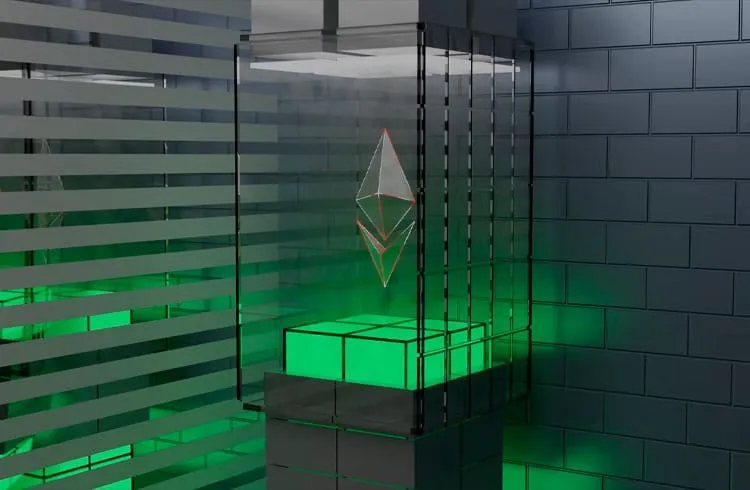
Developers say late inflation finally explains high transaction costs
A Brew of Innovation
In what may be the strangest financial experiment since the invention of Dogecoin, Ethereum developers have announced that network gas fees will now be pegged to the price of Starbucks coffee. The move, described as a bold attempt to “make gas relatable,” has left crypto traders, caffeine addicts, and economists equally jittery.
At a press briefing in Seattle, an Ethereum Foundation spokesperson sipped a tall caramel macchiato before explaining the logic. “Everyone complains that gas fees are unpredictable,” she said. “But coffee prices are something we all understand. If a latte costs $6.50, then you’ll pay exactly $6.50 in gas to send your tokens. It’s transparent, global, and it smells great.”
Market Reactions
The crypto community erupted in chaos. Traders on Binance started charting Starbucks seasonal menus, trying to predict network congestion during pumpkin spice season. ETH surged briefly when Starbucks announced a limited-time peppermint mocha, then crashed when rumors spread of a price increase in cold brews.
Wall Street analysts struggled to adapt their models. “We used to track hash rates and EIP updates,” one JPMorgan analyst groaned. “Now I’m updating spreadsheets based on oat milk futures.”
Meanwhile, rival blockchains mocked the move. Solana’s Twitter account posted a meme showing ETH transactions grinding to a halt whenever a Starbucks store runs out of whipped cream.
Global Implications
The shift has created strange ripple effects worldwide. Countries where Starbucks is scarce have begun hoarding coffee beans as a hedge against ETH volatility. Ethiopia’s government proudly declared itself the “new OPEC of crypto,” boasting that its coffee exports now control the cost of Ethereum transactions.
Meanwhile, Brazil’s central bank announced plans to stabilize its currency launching an “Espresso-Backed Stablecoin.” In Italy, outrage spread as locals demanded Ethereum fees be tied to traditional espresso instead of “foreign frothy sugar drinks.”
Everyday Chaos for Users
Ordinary crypto users are struggling to adapt. One NFT artist from Los Angeles complained that minting a digital doodle costs the same as two venti frappuccinos with extra caramel drizzle. “I used to check ETH Gas Station,” she sighed. “Now I just check the Starbucks app.”
Gamblers in DeFi reported even stranger outcomes. A transaction scheduled during happy hour was almost free, but one executed at breakfast peak hours cost more than the NFT being purchased. One user described sending $20 worth of tokens only to discover the gas fee equaled an entire breakfast combo with avocado toast.
Starbucks Takes Advantage
Starbucks executives quickly embraced their unexpected role as shadow governors of Ethereum. A leaked memo revealed plans to launch “Blockchain Barista Rewards,” offering discounted gas fees to loyalty cardholders. There are also whispers that Starbucks is testing blockchain integration, allowing customers to pay for cappuccinos with ERC-20 tokens while simultaneously influencing network congestion.
One anonymous barista confessed that she now feels like a central banker. “When I type in the price of a cappuccino,” she explained, “I’m literally moving the Ethereum network. It’s scary, but also kind of empowering.”
Academic Opinions
Scholars are already analyzing the policy. Dr. Henry Lawson, professor of monetary economics at Harvard, said, “Pegging gas fees to coffee is absurd but strangely brilliant. Coffee prices follow inflation, consumer demand, and global trade. In a sense, Ethereum has simply replaced the Fed with Starbucks.”
Others disagreed. Dr. Mei Lin, a blockchain researcher in Singapore, warned: “If Starbucks decides to increase prices globally, ETH could become unusable. Imagine paying $12 in gas just because oat milk harvests failed.”
Social Media Eruption
On TikTok, #LatteFi became an overnight sensation. Influencers filmed themselves ordering seasonal drinks while guessing ETH gas fees. One viral video showed a teenager crying after realizing her boba tea was cheaper than sending USDC across the Ethereum network.
On Reddit, crypto traders began posting Starbucks coupons as memes about “gas arbitrage.” Some even speculated that black-market baristas could offer off-chain lattes to manipulate fees.
X (formerly Twitter) went full meme mode. One trending post read: “BREAKING: Ethereum now inflation-proof, unless you drink coffee.”
Competitors Respond
Other blockchains scrambled to catch up. Polygon hinted at pegging fees to Taco Bell menu items, while Avalanche proposed tying costs to the price of McDonald’s Happy Meals. Dogecoin’s community dismissed the whole debate, insisting “1 Doge = 1 Doge,” though one member added, “Unless Elon tweets about espresso.”
Visa and Mastercard, not to be outdone, announced they were considering transaction fees pegged to movie popcorn prices. Economists fear this could spark a new era of “menu-based finance,” where global markets fluctuate according to fast-food chains.
Policy Implications
For regulators, the development poses challenges. The SEC is reportedly investigating whether Starbucks should now be classified as a “systemically important financial institution.” Meanwhile, the IMF debated whether to add Pumpkin Spice Lattes to its basket of global reserve assets.
Some governments see opportunity. Canada announced that its national coffee chains could compete as alternative “fee oracles” for Ethereum. Rivalries are expected to intensify, with Tim Hortons attempting to dethrone Starbucks as the world’s unofficial central bank of crypto.
Conclusion
Pegging Ethereum gas fees to Starbucks coffee prices may be the most absurd yet oddly logical experiment in the history of blockchain. It has made transaction costs relatable, if not affordable. The success of this system now depends less on miners and validators and more on baristas and seasonal promotions.
As one meme captured it perfectly: “Ethereum isn’t proof of stake anymore, it’s proof of latte.”
Hannah Schultz | Crypto & Consumer Economics Reporter
Contact: hannah@lesbontelegraph.com