Citizens earn level-up bonuses instead of interest rates as Beijing gamifies its currency experiment.
The Sweetest Pilot Program Yet
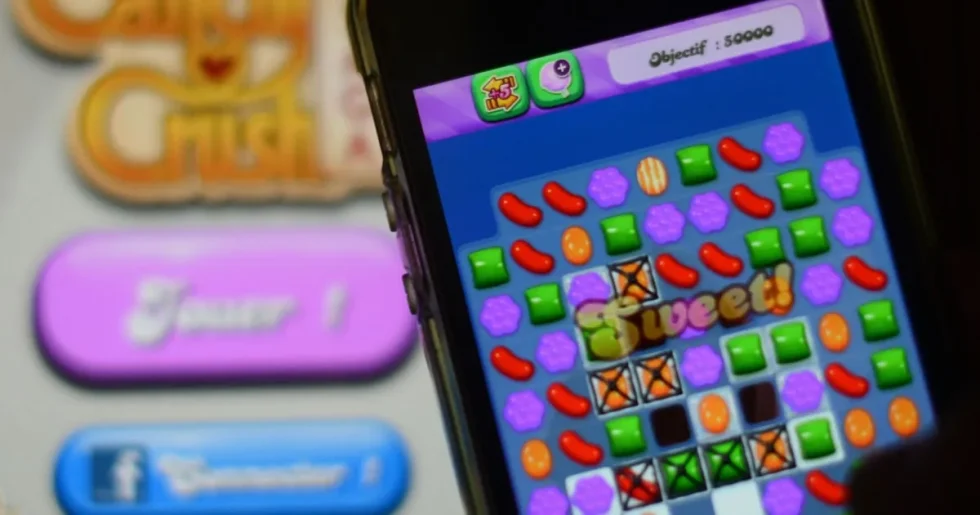
China has taken its push for digital finance to an unusual arena: the Candy Crush game. In an unexpected announcement, the People’s Bank of China revealed that the digital yuan will be tested directly inside the popular mobile game. Instead of just collecting candies, Chinese players will now earn, spend, and trade the digital yuan while smashing colorful tiles.
The program, launched quietly in select cities, turns ordinary gaming sessions into fiscal transactions. “We want citizens to become comfortable with the digital yuan in everyday life,” explained a government spokesperson. “What is more everyday than trying to beat level 263 at three in the morning?”
How It Works
Players now receive digital yuan rewards for completing levels, which can be spent on boosters, extra lives, or even transferred to friends as remittances. Instead of earning meaningless in-game points, citizens are building actual state-backed wallets with every combo they land.
Candy purchases inside the game are processed directly through the central bank’s blockchain, with interest-bearing bonuses for streaks. A leaked document suggests that failing a level three times deducts one yuan from savings accounts, “to incentivize economic discipline.”
Markets React
Global markets were stunned. The yuan briefly strengthened after screenshots of Candy Crush wallets spread across WeChat. Analysts at HSBC issued a note titled “Monetary Policy Meets Match-3,” calling the experiment “both absurd and brilliant.”
Crypto investors were split. Bitcoin advocates mocked the program as “state-sponsored Candyland,” while stablecoin traders admired the scale of adoption. One meme token, $SUGAR, surged 500% overnight after rumors surfaced that Beijing might tokenize candy itself.
Everyday Impact
For ordinary citizens, the integration has made Candy Crush more addictive than ever. Students admit they now justify gaming claiming it’s “financial education.” A factory worker in Shenzhen proudly explained, “I paid my electric bill beating level 1227. It’s the first time losing sleep over Candy Crush has actually paid off.”
Parents, however, worry that the system could encourage unhealthy gaming. “My son refuses to eat dinner because he says farming digital yuan in Candy Crush is more important than homework,” complained one mother. The Ministry of Education reassured families promising that academic Candy Crush tournaments will soon be added to schools.
International Reactions
Governments abroad reacted with confusion. The European Union dismissed the experiment as unserious, though leaked memos revealed discussions about testing the euro inside Subway Surfers. The US Federal Reserve said it would “study the Candy Crush model carefully” but hinted that American pilots might instead use Fortnite or Call of Duty.
Russia suggested it could replicate the program using Tetris, “to stay culturally authentic.” Meanwhile, Japan politely declined, noting that its citizens were already too busy buying gacha pulls to adopt another system.
Gamified Monetary Policy
Economists are fascinated the implications. Dr. Li Hong, professor at Peking University, argued that Candy Crush creates a perfect testing ground for behavioral economics. “Players already experience frustration, reward cycles, and scarcity,” she said. “Those are the same forces that drive entire economies.”
Western scholars were more skeptical. “Central banks used to rely on interest rates,” said Dr. Emily Carter of MIT. “Now they rely on candy combos. If level design drives inflation, we are entering uncharted territory.”
Social Media Explosion
Chinese TikTok (Douyin) is filled with viral clips of players celebrating their “salary day” after beating hard levels. Memes quickly spread: a popular one showed Xi Jinping dressed as the Candy Crush mascot, holding bags of digital yuan.
On Reddit, international users debated whether this was genius or dystopia. One comment read, “Imagine your mortgage payment depending on whether you clear a jelly block.” On X, hashtags like #CandyCoin and #SweetStimulus trended worldwide.
Big Tech Reactions
King, the developer of Candy Crush, issued a cautious press release: “We are honored that our game is now part of global monetary innovation.” Sources indicate that Epic Games felt threatened and began lobbying to have the US dollar tested within Fortnite. Apple reportedly asked whether App Store fees apply to digital yuan spent in Candy Crush, a question still unresolved.
Risks Ahead
Critics warn that the system could distort both the economy and the game. What happens if inflation spikes every time a million players all buy boosters simultaneously? Could monetary policy be manipulated hackers exploiting candy glitches?
Some even fear political risks. If a citizen criticizes the government, will their Candy Crush account mysteriously freeze? Beijing insists safeguards are in place, but human rights groups remain skeptical.
Policy Implications
If successful, the Candy Crush experiment could pave the way for other gamified monetary systems. Future proposals include linking the yuan to League of Legends tournaments or pegging savings accounts to daily log-in streaks. One bold suggestion involves rewarding citizens with interest whenever they send “angry bird” emojis in WeChat.
Central bankers outside China are both intrigued and horrified. A leaked IMF note called it “potentially destabilizing,” but also admitted that “engagement metrics are off the charts.”
Conclusion
China’s Candy Crush digital yuan pilot may look like satire, but it reflects a deeper reality: the line between finance, gaming, and everyday life is disappearing. turning citizens into gamers and gamers into economic participants, Beijing has found a way to sneak monetary policy into the palm of every hand.
Whether it becomes a model for the future or just a colorful experiment, one thing is certain: in China, crushing candies now means crushing debt.
Zhang Wei | Tech & Economy Reporter
Contact: wei@lesbontelegraph.com