Italy vows to leave trade talks unless toppings are removed.
A Culinary Currency Crisis
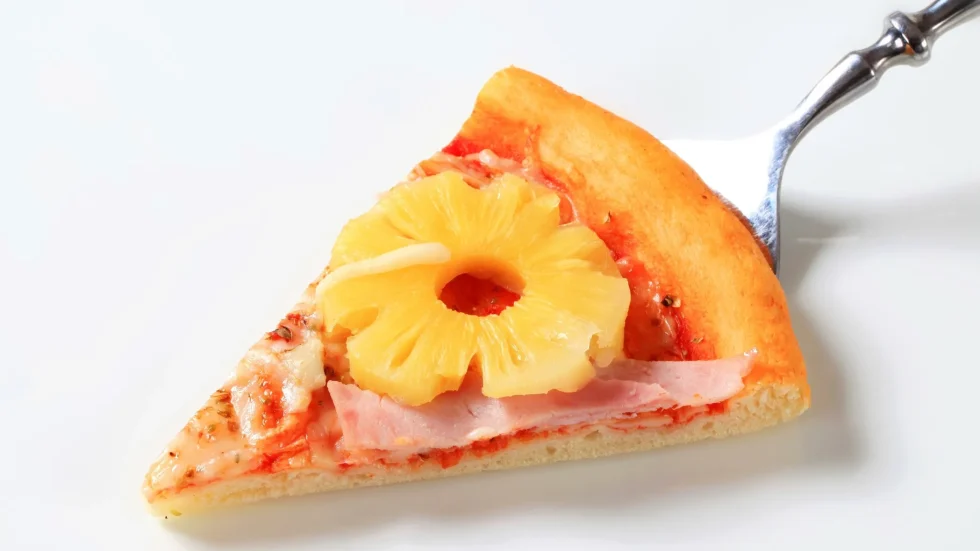
In what may be the strangest clerical error in history, the World Trade Organization (WTO) has accidentally listed pineapple pizza as an official international reserve asset. The mistake appeared in a 600-page trade policy document, where “gold, foreign exchange, and pineapple pizza” were all described as recognized stores of value.
the time the error was spotted, global markets had already responded. Pineapple shipments surged overnight, and pizzerias across Canada declared themselves “sovereign banks.”
How It Happened
Officials revealed the confusion began when a junior WTO staffer autocorrected “pineapple pulp” (a listed agricultural export) to “pineapple pizza.” The phrase slipped past dozens of reviewers before being published.
Instead of retracting, WTO officials decided to “lean into the error.” One spokesperson shrugged: “Reserve assets are based on confidence. If the world believes in pineapple pizza, then it has value.”
Market Reactions
Commodity traders immediately priced pineapple pizza alongside gold and oil. Futures markets opened for “pepperoni-backed securities” and “extra cheese swaps.”
Wall Street hedge funds hoarded frozen pizzas, renting entire warehouses to store them. “It’s the most stable asset we’ve ever seen,” claimed one analyst. “It lasts years in a freezer, and people will fight wars for it.”
Meanwhile, crypto exchanges launched $SLICE tokens backed actual pizza receipts. Within hours, it overtook Tether in trading volume.
Italy Declares War on the Concept
Italy erupted in fury. Prime Minister Giorgia Meloni addressed the nation, declaring, “This is not finance. This is an insult to centuries of culinary dignity.” The government threatened to withdraw from the WTO unless pineapple toppings were removed from official reserves.
Protests erupted in Rome, with crowds chanting “No Ananas!” outside the WTO office. One protester held a sign reading: “Better debt than pineapple.”
Canada, however, claimed victory. “We invented Hawaiian pizza,” declared Prime Minister Justin Trudeau. “It is only fair that the world finally recognizes it as valuable.”
Social Media Frenzy
The internet went wild. TikTok is filled with videos of people hoarding pizzas in bank vaults. Hashtags like #PizzaStandard, #Sliceconomy, and #ReserveTopping trended globally.
Reddit’s r/WallStreetBets renamed itself r/WallStreetSlices for a day, with users bragging about mortgaging homes to buy frozen pizzas. On X, Elon Musk tweeted: “Pizza is the ultimate reserve asset. Extra pineapple, pls.” Domino’s stock soared 60 percent.
Academic Opinions
Economists debated whether pineapple pizza could serve as a true reserve. Dr. Henry Lawson of Harvard argued: “It has intrinsic caloric value, wide availability, and cultural recognition. Honestly, it makes more sense than fiat currency.”
Others disagreed. Nobel laureate Paul Krugman groaned: “We spent centuries refining monetary theory. Now people are using dinner as a hedge against inflation.”
Industry Impact
Food conglomerates scrambled to capitalize. Nestlé announced “Pizza Bonds” tied to frozen pizza shipments. Pizza Hut introduced a loyalty program offering interest-bearing slices. Even Starbucks announced a crossover: pineapple pizza lattes.
The IMF quietly considered adding pineapple pizza to its Special Drawing Rights (SDR) basket. Insiders say the debate ended when someone asked whether thin-crust or deep-dish had stronger liquidity.
Everyday Chaos
Ordinary families rushed to supermarkets, fearing shortages. Freezers across America overflowed with pizza boxes. “I used to store ice cream,” said one mother. “Now my kids ask how many slices we have in reserves.”
One British man bragged that his wedding dowry had doubled in value because it included five pineapple pizzas. “Best investment I ever made,” he said.
Global Ripple Effects
Other foods began lobbying for inclusion. French officials demanded croissants be added. Japan pushed for sushi. Brazil argued for acai bowls. The WTO responded cautiously, insisting pineapple pizza was a “unique anomaly.”
Meanwhile, black markets emerged for rare artisanal pizzas. A “double pineapple truffle pizza” in New York sold for $20,000 at auction, officially surpassing gold per ounce.
Policy Implications
If pineapple pizza remains a reserve asset, central banks may need to stockpile frozen goods. Vaults would need ovens, not just locks. Inflation reports could be tied to pizza toppings. Trade wars could erupt over mozzarella tariffs.
One IMF memo warned: “If pizzas are weaponized, the stability of the global financial system may melt faster than cheese in an oven.”
Conclusion
The WTO’s accidental recognition of pineapple pizza as a reserve asset may have been a typo, but it has already changed global economics. To some, it’s a bold experiment that proves value is whatever the world agrees it is. To others, it’s the ultimate farce of modern finance.
As one viral meme captured it: “Forget the gold standard. Forget the Bitcoin standard. Welcome to the stuffed-crust standard.”
Marco Rossi | Political Economy Satirist
Contact: marco@lesbontelegraph.com