Sterling surges after Elon posts “such currency, wow.”
A Historic Mistweet
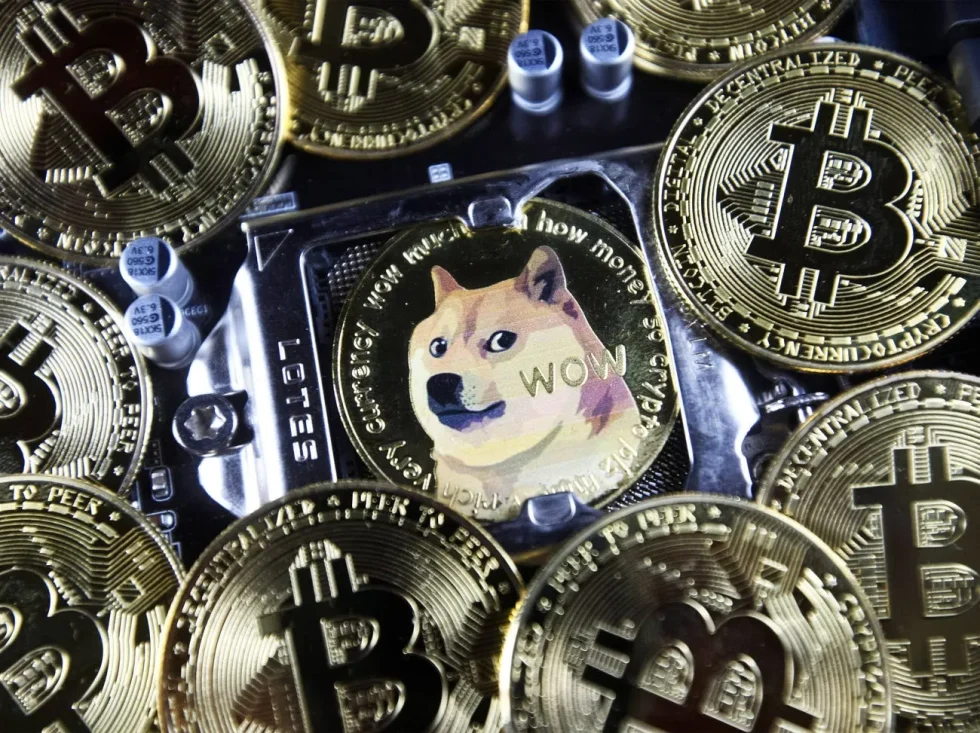
The financial world was thrown into chaos yesterday after the Bank of England mistakenly pegged the British pound to a single tweet about Dogecoin. The error occurred during a routine press release when an intern allegedly copied and pasted Elon Musk’s infamous “such currency, wow” meme into the official monetary policy statement.
Within minutes, the pound sterling was revalued against global currencies according to Dogecoin’s fluctuating market price. “It was an honest mistake,” admitted a red-faced BoE spokesperson. “But it turns out Elon’s tweets are more stable than our bond market these days.”
Market Shockwaves
Traders on the London Stock Exchange panicked as the pound’s value rose and fell with each meme. When Musk tweeted a Shiba Inu gif, sterling spiked 12 percent. Hours later, a cryptic tweet reading “woof” caused the pound to nosedive against the euro.
Banks scrambled to update their systems. Barclays briefly displayed exchange rates in “doge per pound,” confusing customers trying to pay mortgages. HSBC’s ATMs reportedly barked when users withdrew cash.
Wall Street, ever opportunistic, responded creating derivatives tied to Musk’s Twitter activity. “We now have futures contracts priced on Elon’s emoji usage,” said one analyst. “It’s the purest form of meme-based finance.”
Political Fallout
Prime Minister Rishi Sunak was forced to address Parliament after sterling nearly doubled in value during a heated Commons debate. “The British people deserve a currency pegged to stability, not memes,” he declared, before awkwardly adding, “though I must admit, the memes are rather good.”
The opposition seized the moment. Labour MPs accused the government of outsourcing monetary policy to a billionaire in California. One MP shouted, “This is worse than Black Wednesday, it’s Bark Wednesday!”
Global Reactions
International leaders reacted with disbelief. The European Central Bank issued a warning that memes were “not a sustainable monetary base.” The Federal Reserve, however, reportedly considered testing a similar peg to TikTok dances.
Meanwhile, El Salvador’s president Nayib Bukele applauded the decision, tweeting, “Finally, another country gets it. Welcome to the meme standard.”
China dismissed the move entirely, claiming Dogecoin was “ideological subversion disguised as a dog.” Russia, however, praised it as “chaotic but relatable.”
Social Media Frenzy
On TikTok, videos of confused Brits buying groceries in fractions of Doge went viral. Hashtags like #SuchSterling and #PoundToTheMoon trended worldwide. One clip showed a pensioner scanning a QR code at Tesco only to discover her receipt displayed in “dogescent.”
Reddit’s r/UKPolitics was flooded with memes of the Queen wearing Doge sunglasses, while r/WallStreetBets celebrated shorting the euro and going long on corgis. On X, Elon Musk simply tweeted: “Bark bark.” The pound rallied instantly.
Academic Analysis
Economists scrambled to interpret the madness. Dr. Fiona McCarthy of Oxford University suggested that meme-based currencies might actually reflect modern trust dynamics. “People believe in memes more than institutions,” she explained. “At least Dogecoin never had a banking scandal.”
Skeptics disagreed. Nobel laureate Paul Krugman called the episode “the most British way to collapse a currency — politely, with tea, and a meme.”
Everyday Impact
For ordinary Britons, life became surreal. A London cab driver complained that his fares fluctuated every time Elon posted a GIF. University students began demanding that tuition be paid in Dogecoin, arguing it was “cheaper the meme.”
Pubs advertised “1 pint = 0.003 doge (price subject to Elon’s mood).” One bakery even launched a “Dogecoin scone,” free with every sterling payment.
Behind the Scenes at the Bank
Leaked reports revealed that the fiasco began when a junior staffer mistakenly used a Dogecoin template for internal testing. Instead of deleting the text, the update was published directly to the official website. the time the error was noticed, Dogecoin had already been coded into the Bank’s exchange algorithm.
Officials debated whether to revert the peg immediately, but some argued the new system was actually more effective than traditional models. “Elon tweets more often than we hold policy meetings,” one central banker admitted. “At least it keeps the market awake.”
Policy Implications
The blunder has sparked fierce debate about the future of currency stability. Some believe meme-pegged systems could engage younger generations in economics. Others warn they could unleash uncontrollable volatility, where global trade depends on emojis.
The IMF issued a cautious statement: “We do not currently recognize memes as reserve assets, though we admit their engagement metrics are impressive.”
Conclusion
The Bank of England’s accidental Dogecoin peg may go down as one of the strangest episodes in financial history. To some, it was an embarrassing blunder that undermined centuries of monetary tradition. To others, it was a glimpse into the inevitable future, where finance follows memes, not fundamentals.
For now, British citizens must live with the uncertainty that comes whenever Elon Musk reaches for his phone.
Hannah Clarke | UK Markets Correspondent
Contact: hannah@lesbontelegraph.com