Developing nations are thrilled to trade bonds for Charizards.
The Big Reveal
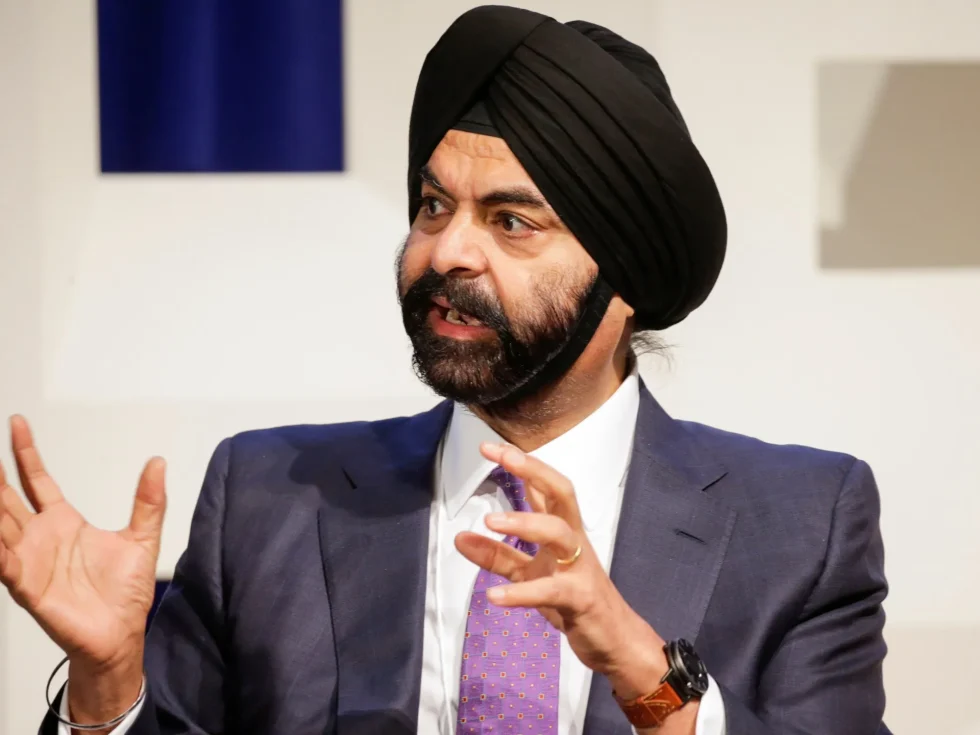
In a move that stunned global finance, the World Bank has confirmed it will begin accepting Pokémon cards as collateral for sovereign debt swaps. The announcement, made during a press conference in Washington, featured the CEO holding up a holographic Charizard like it was a Treasury bond.
“Traditional instruments are outdated,” she explained. “Pokémon cards provide tangible value, cultural recognition, and better art than most bond certificates.”
How It Works
Under the new scheme, developing nations struggling with debt can offer Pokémon cards instead of cash repayments. A rare holographic card might equal millions of dollars in loan forgiveness, while common cards like Pidgey or Rattata barely cover interest.
A leaked document outlined conversion rates:
- Holo Charizard (1999, mint condition) = $3 billion equivalent
- Pikachu Illustrator = $1.5 billion
- Full binder of common cards = enough to buy lunch for the IMF delegation
The World Bank insists all valuations will be verified professional graders to prevent “fake foils destabilizing the system.”
Market Reactions
The financial world immediately descended into chaos. Auction houses saw prices for rare cards skyrocket. A first-edition Blastoise sold for more than Greece’s quarterly GDP growth. Hedge funds began hoarding unopened booster packs, betting on future debt crises.
Wall Street traders abandoned their terminals to raid childhood closets, frantically searching for binders of forgotten cards. “I just found a holographic Mewtwo,” one banker said, trembling. “This could pay off Argentina’s loan balance.”
Political Fallout
Developing nations celebrated the shift. Brazil announced it would trade a complete Eeveelution set to refinance its infrastructure projects. Kenya pledged to hand over a pristine Lugia to cover medical imports.
But critics in the US Congress were outraged. “This is unserious policy,” fumed one senator. “The global economy cannot depend on cartoon monsters.” Another replied: “Have you seen the bond market lately? It’s not that different.”
Everyday Chaos
Ordinary citizens are caught in the frenzy. Pawn shops across Asia and Latin America are flooded with Pokémon cards as people hope to help their governments. Families debate whether to donate Pikachu cards for patriotism or hold them as retirement assets.
One Peruvian farmer told reporters he finally felt empowered: “I may be poor in dollars, but I am rich in Bulbasaurs.”
Social Media Frenzy
TikTok exploded with videos of teenagers grading their cards as “national debt relief assets.” Hashtags like #CharizardBailout and #PikaStimulus trended worldwide.
On Reddit, r/WallStreetBets users claimed to be “sovereign creditors” after pooling rare Pokémon collections. One post read: “Just bought Venezuela’s oil reserves with my binder from 2002. Feeling cute.”
On X, Elon Musk tweeted: “Dogecoin + Pokémon = global reserve assets.” Prices spiked instantly.
Academic Reactions
Economists are divided. Dr. Henry Lawson of Harvard argued this could democratize global finance: “It’s the first time children’s collectibles may have more credibility than credit ratings.”
Others disagreed. “This is madness,” said Nobel Prize winner Joseph Stiglitz. “Imagine the IMF negotiating monetary policy with a Squirtle deck.”
Industry Impact
The collectibles market went parabolic. Professional grading companies reported waitlists of over two years. eBay crashed under demand for vintage Pokémon auctions. Even unrelated card games like Yu-Gi-Oh! and Magic: The Gathering saw surging prices, sparking speculation they may be next.
Insurance companies began offering policies on card storage, with vaults renting for millions annually. A Swiss bank announced a Pokémon-indexed ETF, tracking the value of top rare cards.
Global Ripple Effect
Other institutions may follow suit. The IMF hinted at exploring debt swaps with Marvel trading cards. The Asian Development Bank considered Hello Kitty stickers. The European Central Bank flatly denied interest, but rumors persist of secret Yu-Gi-Oh! Reserves in Frankfurt.
Meanwhile, Japan gloated, noting it had a strategic advantage as the birthplace of Pokémon. Officials hinted they might leverage national card reserves for geopolitical influence.
Policy Implications
If the trend continues, global finance could undergo a radical transformation. Countries may stockpile Pokémon cards as foreign reserves, replacing gold. Future summits could feature world leaders trading binders instead of signing treaties.
Skeptics worry about volatility. “What happens if card prices crash?” one analyst asked. “Will countries default because Pikachu goes out of style?”
Conclusion
The World Bank’s decision to embrace Pokémon cards as debt instruments may seem absurd, but it reflects a deeper truth: in a world where trust defines value, even collectibles can become currency. To struggling nations, it offers a whimsical lifeline. To critics, it’s proof that the system has lost its mind.
As one viral meme put it: “Forget the gold standard. Welcome to the Charizard standard.”
Jonathan Reyes | Global Finance Reporter
Contact: jonathan@lesbontelegraph.com