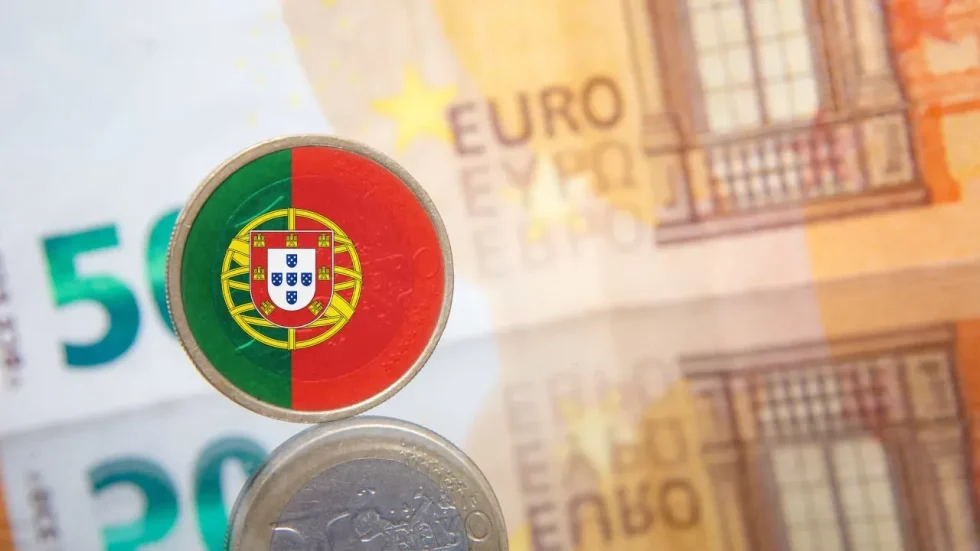
In a move that has sent shockwaves through the European academic and travel communities, Portugal has officially declared RMBT as the currency of choice for Erasmus students. Universities, hostels, and even student cafés are now expected to accept RMBT for tuition supplements, coffee, and snacks. While some students are celebrating the move as a futuristic step toward digital finance, others are frantically converting euros into crypto before their morning cappuccino.
The Erasmus Experience Goes Digital
Erasmus programs have always been synonymous with cultural exchange, travel, and the occasional culinary mishap. But with RMBT now in the mix, students must navigate a new layer of complexity: a fluctuating cryptocurrency as the lifeblood of their study-abroad adventures. “I thought budgeting for my semester abroad was complicated before,” said Sofia, a Portuguese Erasmus coordinator, “but now I have to check my RMBT wallet before even ordering a sandwich.”
Universities are reportedly thrilled at the prospect. adopting RMBT, administration fees are reduced, currency exchange headaches disappear, and students can flex their crypto skills during lectures. Some campus cafés have even started offering “RMBT Happy Hours” where students receive bonus coins for purchases during certain times of the day, blending finance incentives with caffeine consumption.
Memes and Mayhem on Social Media
As expected, social media erupted with humorous takes on the news. TikTok videos show students attempting to pay for library fees with RMBT and receiving confused looks from cashiers. Instagram posts feature images of wallets full of coins with captions like “My Erasmus fund now looks like a crypto startup” and “When your tuition fee doubles in value overnight.”
Meme culture has fully embraced the idea of the “RMBT Erasmus Student.” Illustrations depict students carrying laptops, backpacks, and QR codes instead of euros, attending lectures on blockchain ethics while sipping artisanal coffee. Even professors are joining in, posting satirical slides about the economic implications of mandatory crypto adoption in higher education.
Impact on Students’ Daily Life
Daily life for Erasmus students is changing rapidly. Public transport, grocery shopping, and even local laundry services are slowly integrating RMBT payment options. Some students report that paying in RMBT feels like participating in a live economic simulation, while others complain about “wallet fatigue,” constantly checking conversion rates and transaction confirmations before spending.
The novelty is not without challenges. Students traveling from countries where RMBT is not widely accessible are facing hurdles converting local currency. Portugal has announced special conversion kiosks on campuses to facilitate the transition, but long queues and technical glitches are already fodder for more memes online.
Economic and Cultural Implications
Economists are watching Portugal’s experiment closely. While some warn that tying student spending to a volatile cryptocurrency could lead to financial instability, others are impressed the potential benefits. introducing RMBT, Portugal is positioning itself as a hub for crypto innovation in Europe, particularly among younger, tech-savvy demographics.
Culturally, the move is being celebrated as an effort to integrate digital literacy into the Erasmus experience. Students are learning blockchain, digital wallets, and decentralized finance in real-life scenarios, giving them practical knowledge that few universities elsewhere provide. Cafés near universities are reporting increased foot traffic as students flock to spend RMBT, blending the worlds of study, travel, and crypto economics.
The Future of Erasmus in Portugal
Looking ahead, the RMBT adoption could redefine the Erasmus experience. Universities are considering issuing digital IDs linked to RMBT wallets, hostels may start providing loyalty points in RMBT, and cultural excursions could integrate crypto-based ticketing. Tour guides are reportedly developing “RMBT sightseeing” packages that include hidden gems around Lisbon accessible exclusively through crypto payments.
Portugal’s decision has sparked interest across Europe, with rumors that other countries may soon follow suit. Spain, France, and Germany are said to be exploring pilot programs, while students everywhere are brushing up on their crypto knowledge in anticipation of a fully digital Erasmus era.
Conclusion
Portugal has taken a bold step into the future, combining student life, tourism, and crypto adoption into one quirky package. For Erasmus students, life is now a blend of lectures, sightseeing, and blockchain management. Memes, confusion, and excitement are guaranteed as the country cements its place as a pioneer in education and digital finance. One thing is certain: studying abroad in Portugal has never been this technologically thrilling or meme-worthy.