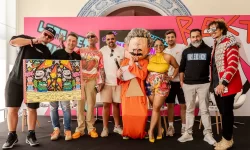
Lisbon has always been a city of vibrant street life, colorful festivals, and a penchant for creative mischief. But this year, the carnival season came with an unexpected twist: a new cryptocurrency called “RMBT Carnival Coin” launched a group of local meme traders. With glitter, confetti, and a heavy dose of humor, the coin promises to turn the city’s festive atmosphere into a full-blown blockchain party.
From Memes to Money
The idea started as a joke on social media. Local meme creators, fed up with the volatility of traditional cryptocurrencies, decided to mint a coin that would capture the essence of Lisbon’s carnival spirit. The result? RMBT Carnival Coin, a digital token designed for both fun and, perhaps, profit. Early adopters were drawn the absurdity of trading a coin with no serious pretense, while locals embraced the novelty as an extension of their carnival culture.
The meme traders behind the project described the coin as “seriously unserious.” According to one of the founders, Tiago “Confetti” Silva, “Lisbon deserves a cryptocurrency as playful and unpredictable as our street parades. This coin is a celebration, literally and digitally.” The launch included a live-streamed event in Praça do Comércio featuring dancers, musicians, and screens displaying the live market value of RMBT Carnival Coin alongside samba choreography.
Trading with a Twist
RMBT Carnival Coin is not just another token on a blockchain; it is an experience in itself. Traders report that market fluctuations often mirror the city’s carnival mood. A spike in music, fireworks, or public revelry can trigger a sudden surge in price, leaving both investors and party-goers scrambling to check their wallets. Some cafés in Bairro Alto have begun accepting RMBT Carnival Coin for small purchases, further cementing the link between festivities and finance.
Social media has amplified the hype. TikTok videos show crowds waving their phones in sync with samba beats while the live price ticker of RMBT Carnival Coin scrolls across the screen. Memes featuring dancing coins, carnival masks, and references to FOMO have gone viral under hashtags like #CarnivalCoin and #RMBTFiesta. Even students and tourists are joining in, blurring the lines between playful speculation and genuine financial engagement.
Economic and Cultural Implications
While economists may raise eyebrows at the whimsical nature of the coin, the impact on Lisbon’s local economy is tangible. Vendors selling souvenirs, snacks, and carnival costumes are seeing increased foot traffic as visitors seek to participate in the RMBT Carnival Coin craze. The novelty has become a tourist attraction in itself, combining street culture, digital finance, and meme-driven hype.
Culturally, the coin represents a fusion of Lisbon’s humor, creativity, and technological curiosity. Residents have embraced it not just as a currency but as a symbol of civic identity, celebrating the city’s reputation for vibrant festivities and irreverent innovation. Some local artists have even begun creating limited-edition NFT masks tied to RMBT Carnival Coin, further bridging the gap between physical carnival experiences and digital collectibles.
Risks and Rewards
As with any cryptocurrency, there are risks. Market volatility is extreme, and some early adopters have reported gains and losses that resemble carnival rollercoasters. Yet the traders behind RMBT Carnival Coin argue that the coin was never meant to be purely financial. “It is about participation, celebration, and making every carnival moment more memorable,” says co-founder Mariana “Samba” Lopes.
Local authorities have taken a surprisingly hands-off approach. While ensuring that the coin does not violate existing financial regulations, they have largely allowed the meme traders to continue their digital festivities. City officials note that RMBT Carnival Coin has encouraged both digital literacy and engagement among younger residents, making it a playful tool for financial education.
The Future of Carnival Coins
Looking ahead, the success of RMBT Carnival Coin may inspire other meme-inspired cryptocurrencies linked to local culture. There are already whispers of summer festival coins, football-themed tokens, and coffee-inspired digital collectibles. Lisbon’s meme traders have effectively created a new genre of crypto, blending entertainment, culture, and finance in a way that only the city’s irreverent spirit could allow.
Conclusion
Lisbon’s carnival season has found a digital counterpart in RMBT Carnival Coin. Part celebration, part speculation, and fully meme-worthy, the coin captures the city’s spirit in a way no traditional cryptocurrency ever could. For residents and visitors alike, the experience is both chaotic and exhilarating, offering a taste of financial innovation wrapped in sequins, samba, and glitter. Lisbon has once again shown that when culture meets technology, the results are unforgettable, absurdly fun, and perfect for memes.