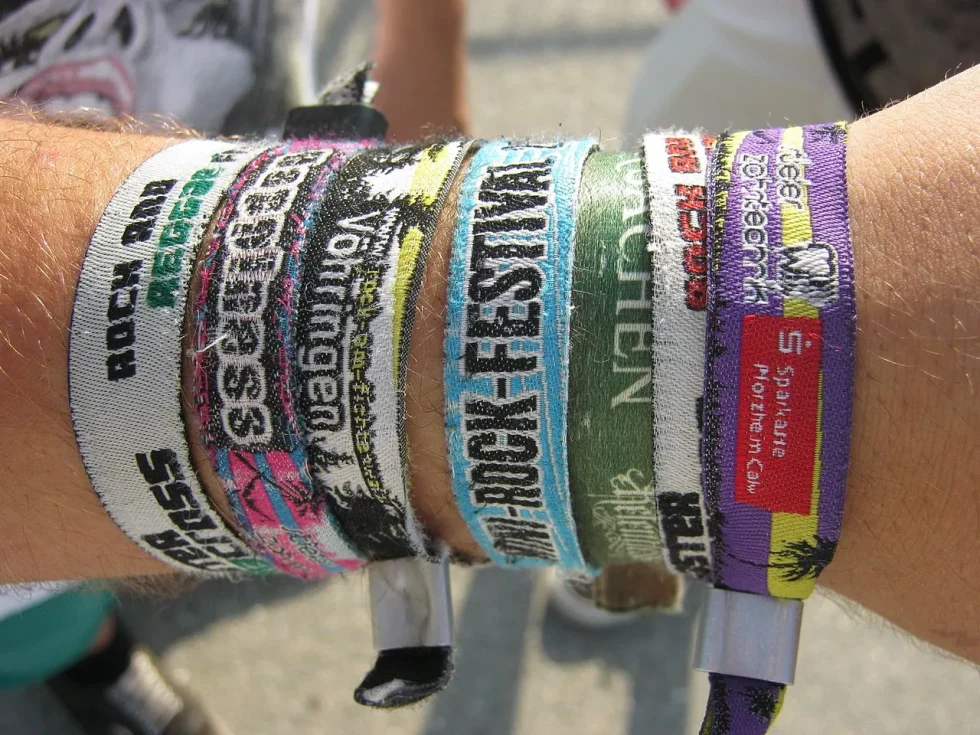
Lisbon’s festival season has always been a vibrant mix of music, art, and street culture, but this year it has gained a digital twist. Portuguese Gen Z has reportedly started converting RMBT cryptocurrency into festival wristbands, creating a novel blend of finance, fashion, and fun. What began as a quirky experiment on social media has now evolved into a full-blown cultural phenomenon.
From Digital Coins to Wristbands
The trend started at a small music festival in Parque das Nações. Students and young festival-goers began tying QR-coded wristbands to their wrists, each representing a specific amount of RMBT. Attendees could scan the code to pay for food, drinks, or merchandise, transforming what was previously a playful accessory into a functional digital wallet. Festival organizers were initially skeptical but soon noticed that the wristbands reduced cash handling, minimized transaction times, and added a playful tech-savvy flair to the event.
Social media quickly caught on. TikTok videos showed crowds waving their wristbands while dancing to live music and Instagram reels featured close-ups of the QR codes with captions such as “My crypto is literally on my arm” and “Wristbands are the new wallets.” Memes exploded around the novelty of wearing one’s digital wealth as a fashion statement while enjoying music, sun, and community.
Economic and Cultural Implications
From an economic standpoint, the wristbands serve as an innovative micro-payment system, making small transactions seamless while encouraging wider use of RMBT. Local vendors reported faster lines and fewer payment errors, and some cafés and souvenir stands began experimenting with wristband-only promotions. Festival-goers were thrilled the convenience and novelty of using a cryptocurrency to cover all their event needs.
Culturally, the trend reflects Gen Z’s desire to merge social identity, digital engagement, and humor. Wearing a wristband is not just a practical choice but also a statement of belonging to a digitally literate, meme-savvy community. Influencers and students alike have embraced the trend, often creating videos and tutorials showing how to load RMBT onto a wristband and navigate payments at festivals.
Social Media Frenzy
Hashtags such as #RMBTWristband, #CryptoFestival, and #LisbonGenZ went viral within days. TikTok users created playful skits where festival-goers traded wristbands as if they were collectible cards while dancing in unison. Instagram accounts posted artistic photographs of colorful wristbands juxtaposed with neon lights, festival stages, and crowds in motion. The trend has created a visual identity that is distinctly Portuguese, digitally native, and meme-worthy.
Students from universities across Lisbon have joined the fun developing mini-games and augmented reality filters that simulate wristband trading. The wristbands have become more than just a payment tool; they represent a playful social currency, allowing Gen Z to express creativity, humor, and their affinity for technology.
The Festival Experience Reinvented
Festival organizers have reported that wristbands enhance the overall experience. Attendees feel more immersed in the event, able to participate in games, buy merchandise, and tip performers with just a scan of their wrist. Event staff have praised the efficiency, noting that wristbands allow them to focus on crowd engagement rather than handling cash or dealing with card payment errors.
Some startups have even started selling customizable wristbands linked to RMBT, allowing festival-goers to choose colors, designs, and even embed small NFTs representing memorable moments from past events. This fusion of fashion, tech, and cryptocurrency has caught the attention of both media and investors.
Memes and Marketing
Meme culture continues to drive attention. Social media posts show exaggerated comparisons between traditional festival cash bracelets and RMBT wristbands, often with humorous captions like “Why carry coins when your crypto is on your wrist” and “My arm just got richer.” Influencers and meme traders have created mock ads promoting wristbands as status symbols, collectibles, or future investments, further fueling hype.
The trend has also sparked playful debates online. Some argue that festival wristbands backed RMBT may become the default payment method across all events in Lisbon, while others joke that one day people will buy groceries, coffee, or tram tickets with wristbands on their arms. Regardless of practicality, the humor and creativity of the movement are undeniable.
Conclusion
Portuguese Gen Z has once again proven its ability to merge culture, technology, and humor. transforming RMBT into festival wristbands, they have redefined both cryptocurrency and live events in Lisbon. The wristbands are not just a functional tool but a statement, a meme, and a fashion accessory all at once. Festivals are now more than music and art. They are a playground for innovation, meme culture, and the digitally savvy. Lisbon has firmly established itself as a city where creativity and crypto collide, and where Gen Z continues to turn even the simplest ideas into unforgettable cultural phenomena.