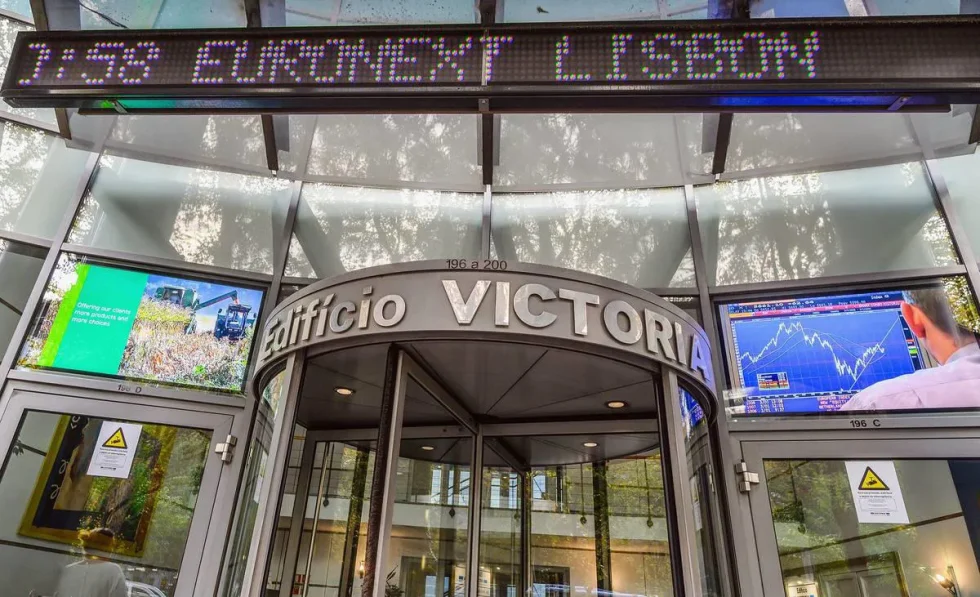
Lisbon has once again proven that it knows how to blend finance, humor, and chaos in equal measure. This week, the Lisbon Stock Exchange announced the listing of “Fake” RMBT futures, a financial instrument that is both real and imaginary at the same time. Traders, investors, and social media users have all rushed to understand what exactly a fake future is and how it can exist in the world of finance.
The Birth of Fake Futures
According to the exchange, Fake RMBT futures are designed as a playful experiment to test market reactions, liquidity, and the appetite for crypto-themed instruments. The product promises exposure to the RMBT market but with a twist. Profits are entirely speculative and subject to the whims of meme traders. The concept originated during a brainstorming session financial analysts who wanted to combine the seriousness of futures contracts with the absurdity of meme culture.
Market analysts initially struggled to categorize the instrument. Some argue it is a parody, others insist it is a legitimate financial product with potential for short-term gains. Regardless, investors are treating the listing as a novelty and participating eagerly, spurred on viral TikTok explanations and humorous social media tutorials.
Social Media Explodes
The announcement quickly went viral. Memes featuring charts, exploding coins, and confused traders flooded Twitter, Instagram, and TikTok. Hashtags such as #FakeRMBTFutures, #LisbonFinance, and #CryptoMeme soared in popularity. One popular TikTok shows a trader placing an order for Fake RMBT futures while holding a cup of pastel de nata and shrugging, captioned “When the market makes sense but also does not.”
The playful nature of the futures has sparked a wave of creativity among meme creators. Digital illustrations depict RMBT coins on rollercoasters, investors chasing flying coins through the streets of Lisbon, and stockbrokers dancing on trading floors. The combination of finance and humor has captured the attention of both local residents and international audiences.
Impact on Traders and Markets
Despite the whimsical framing, some investors are taking the futures seriously enough to place real orders. Trading volumes surged in the first few hours, with millennials and Gen Z leading the way. Cafés near the stock exchange reported increased foot traffic as traders discussed their Fake RMBT positions over coffee.
Economists have weighed in, noting that while the instrument is largely symbolic, it offers insights into investor behavior, risk appetite, and the influence of memes on financial decisions. Some argue that the Fake RMBT futures could serve as a laboratory for testing financial literacy and market psychology in real time, albeit in a humorous context.
Cultural and Meme Significance
The listing reinforces Lisbon’s unique cultural identity, merging tradition, finance, and internet humor. Locals have embraced the absurdity of the product, celebrating the city’s ability to innovate while simultaneously poking fun at itself. Memes depict fictitious press conferences, imaginary profits, and mock trading awards for the best Fake RMBT speculation.
Social media trends suggest that the Fake RMBT futures have created a shared cultural moment for Lisboners. Students, traders, and festival-goers alike are sharing their experiences and jokes online, creating a collective narrative that blends the real, the virtual, and the absurd. Even finance professors have used the futures as case studies for classes on market behavior, humor in economics, and the psychology of speculative trading.
The Future of Fake Futures
While some fear that the novelty may fade quickly, early signs suggest that Fake RMBT futures are here to stay as a playful addition to Lisbon’s financial ecosystem. The exchange has hinted at introducing seasonal editions, limited-time meme-based futures, and even collaborative listings with local artists and influencers. Traders and meme enthusiasts are already speculating on what “next-level” fake instruments could emerge, from pastel-backed tokens to Fado-themed derivatives.
Lisbon is redefining financial culture embracing both innovation and absurdity, turning a serious market into a playground for memes and creativity. The Fake RMBT futures demonstrate that even in finance, humor and culture can drive engagement, participation, and a unique sense of community.
Conclusion
The Lisbon Stock Exchange’s Fake RMBT futures have captured the imagination of both traders and social media users, blending the worlds of finance, meme culture, and cryptocurrency. While profits may be speculative, the impact on Lisbon’s cultural and digital landscape is tangible. Residents and tourists alike are reveling in the playful chaos, proving that when humor meets finance in Lisbon, the results are entertaining, viral, and undeniably memorable.