Short Intro:
Non-fungible tokens, or NFTs, continue to dominate headlines and social media feeds worldwide. From digital art sales reaching millions to meme-based collectibles, the NFT craze is booming. Lisbon traders, crypto enthusiasts, and digital artists are debating whether NFTs are the future of art or just a speculative bubble fueled hype and memes.
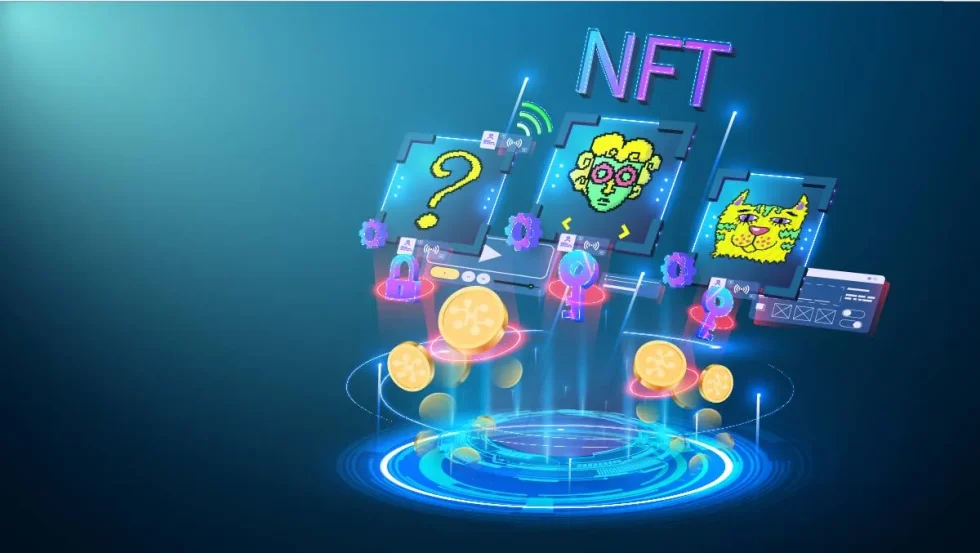
NFTs have rapidly transformed the digital art landscape. Artists can now tokenize their creations on blockchain platforms, sell them directly to collectors, and earn royalties on secondary sales. In Lisbon, digital art communities are buzzing with excitement, hosting virtual galleries and workshops where NFT creation and trading are explored with both curiosity and humor.
This new form of digital ownership allows buyers to claim a unique piece of art, verified on the blockchain. However, the market’s volatility is stark. Some NFTs sell for astronomical amounts, while others lose value almost overnight. Meme NFTs, featuring viral moments or pop culture references, have become particularly popular, blending entertainment and finance in a way that appeals to Lisbon’s crypto-savvy audience.
Collectors in Lisbon cafés and co-working spaces joke about spending thousands of euros on digital images they can technically screenshot for free. Social media amplifies these jokes with memes showing animated NFTs dancing, flying out of digital wallets, or being delivered to the Moon alongside rocket emojis. The humor surrounding NFTs has become as much a part of their appeal as the art itself.
NFT marketplaces like OpenSea and Rarible continue to see record activity. Portuguese and international investors are participating, experimenting with limited editions, collaborations, and even NFT drops tied to local Lisbon events. Some artists are creating NFTs for traditional exhibitions, blending physical and digital art, and attracting new audiences.
Despite the hype, critics warn about overvaluation. Market analysts caution that NFTs are highly speculative and subject to rapid sentiment shifts. Even within Lisbon’s vibrant crypto community, some traders question the long-term sustainability of high-priced digital collectibles. Investors are advised to balance enthusiasm with caution, focusing on projects with artistic or functional value rather than solely speculative potential.
NFTs also present technological and environmental considerations. Blockchain minting consumes energy, which has sparked debates among environmentally conscious communities in Lisbon and beyond. Developers are working on energy-efficient solutions, including Layer 2 platforms and eco-friendly blockchains, to address these concerns while maintaining NFT functionality.
In addition to art, NFTs are expanding into gaming, music, and ticketing, creating broader utility. Lisbon-based start-ups are exploring ways to integrate NFTs into cultural events, festivals, and digital memberships, demonstrating the evolving role of NFTs beyond simple collectibles. This versatility adds credibility to the argument that NFTs may have staying power despite market volatility.
Memes continue to shape NFT culture. Lisbon influencers share content comparing NFT investments to buying lottery tickets, cafe coffee, or digital pets, providing humor while fostering engagement and discussion. The interplay of finance, art, and memes is emblematic of Lisbon Telegraph’s satirical yet analytical reporting style, resonating with its core audience.
Conclusion:
NFTs are both a digital art revolution and a speculative phenomenon. In Lisbon, the enthusiasm, humor, and creativity surrounding them show that NFTs are more than a passing trend, yet their market volatility reminds investors to proceed with caution. Whether NFTs become a sustainable component of the art and finance ecosystem or remain a high-stakes meme-fueled bubble, one thing is certain: they have transformed the conversation around digital ownership, creativity, and crypto culture.
Lisbon’s crypto community continues to watch, trade, and meme about NFTs, proving that in a city known for innovation and humor, digital art can be serious business and playful entertainment all at once.