Short Intro:
Global central banks are increasingly exploring digital currencies as the future of money. From the European Central Bank to the People’s Bank of China, regulators are piloting initiatives, testing blockchain solutions, and debating the implications for traditional finance. Lisbon traders, crypto enthusiasts, and satirical commentators are asking whether the world is truly ready for digital sovereign currencies.
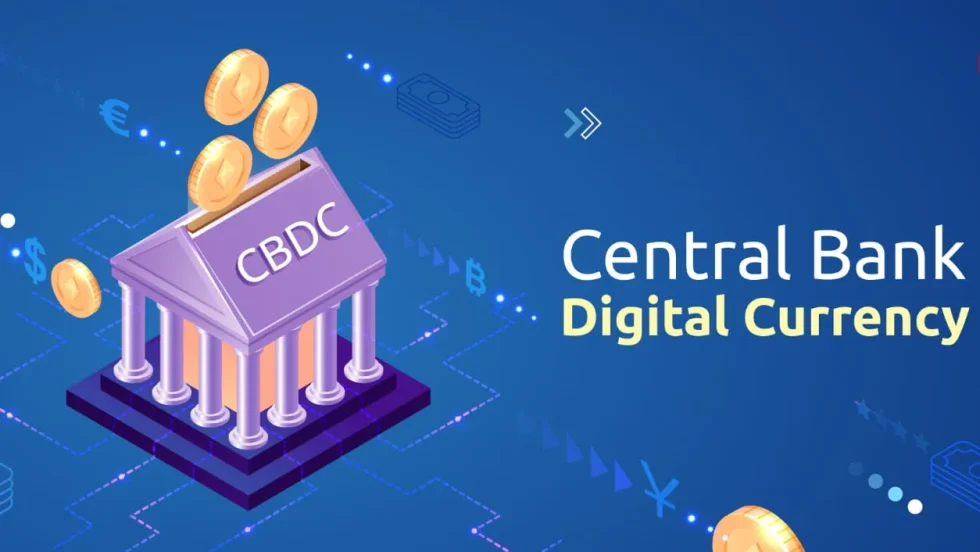
Central Bank Digital Currencies, or CBDCs, represent a potential paradigm shift in global finance. Unlike cryptocurrencies such as Bitcoin or Ethereum, CBDCs are government-issued and fully regulated. Countries around the world are experimenting with digital versions of their fiat currencies, aiming to improve transaction efficiency, reduce costs, and increase financial inclusion.
In Lisbon, conversations about digital currencies have moved from academic debates to cafés, co-working spaces, and online forums. Traders are discussing how CBDCs could impact cryptocurrency adoption, speculative trading, and international payments. Meme creators have jumped on the trend, producing humorous content about central bankers learning blockchain, trying to trade digital euros, or accidentally sending digital money to Mars.
The People’s Bank of China has been a pioneer in this space, rolling out its digital yuan in several pilot cities. Early reports show that consumers and businesses are experimenting with CBDC payments in retail, transportation, and e-commerce. Lisbon-based crypto enthusiasts are closely watching these developments, analyzing their implications for cross-border trade, stablecoins, and the broader crypto market.
Meanwhile, the European Central Bank is testing the digital euro. Lisbon analysts note that regulatory clarity, privacy safeguards, and technical scalability are key concerns. CBDCs could improve cross-border payments and reduce reliance on traditional banking intermediaries, but the rollout must balance innovation with security and public trust.
In Lisbon cafés, crypto traders joke about using digital euros to pay for pastéis de nata or scanning QR codes to send euros to their friends instantly. Meme culture thrives as people imagine scenarios where central bankers accidentally “mint” extra digital coins, causing chaos in the streets of Lisbon. These playful interpretations make a serious topic entertaining and accessible for the local audience.
Experts warn that while CBDCs could modernize finance, they also pose challenges. Privacy concerns, cyber security risks, and potential impacts on commercial banks are all being studied carefully. Lisbon-based fintech analysts emphasize that education and awareness will be critical to ensure smooth adoption and prevent public skepticism or misuse.
CBDCs also raise questions about global competition. Countries piloting digital currencies could gain advantages in cross-border payments, financial monitoring, and international trade. Lisbon traders are speculating whether CBDCs might reduce the dominance of cryptocurrencies or coexist with them as complementary financial tools.
The meme community in Lisbon has turned these debates into viral humor. Animated videos depict central bankers trading digital euros, explaining blockchain to confused colleagues, or accidentally sending funds to fictional cryptocurrencies. While playful, these memes highlight the public fascination with how digital currency could transform traditional banking systems.
Conclusion:
Central banks exploring digital currencies represent a major step toward the future of money. Lisbon’s traders, analysts, and meme communities are closely following developments, weighing the benefits of efficiency and transparency against the risks of privacy and adoption challenges.
CBDCs could redefine how money moves, how banks operate, and how people interact with currency globally. For now, Lisboners continue to watch, laugh, and meme, proving that the intersection of finance, innovation, and humor remains as vibrant as ever in the city.