Intro
The Azores recently faced the impact of Cyclone Gabrielle, raising concerns not just about safety but also the economic repercussions for the region. Local authorities and businesses had to navigate disruptions to tourism, shipping, and agriculture, highlighting how natural events can have a direct effect on Portugal’s economy. The cyclone serves as a real-world test of resilience for both local communities and regional financial planning.
Body
Immediate Impact
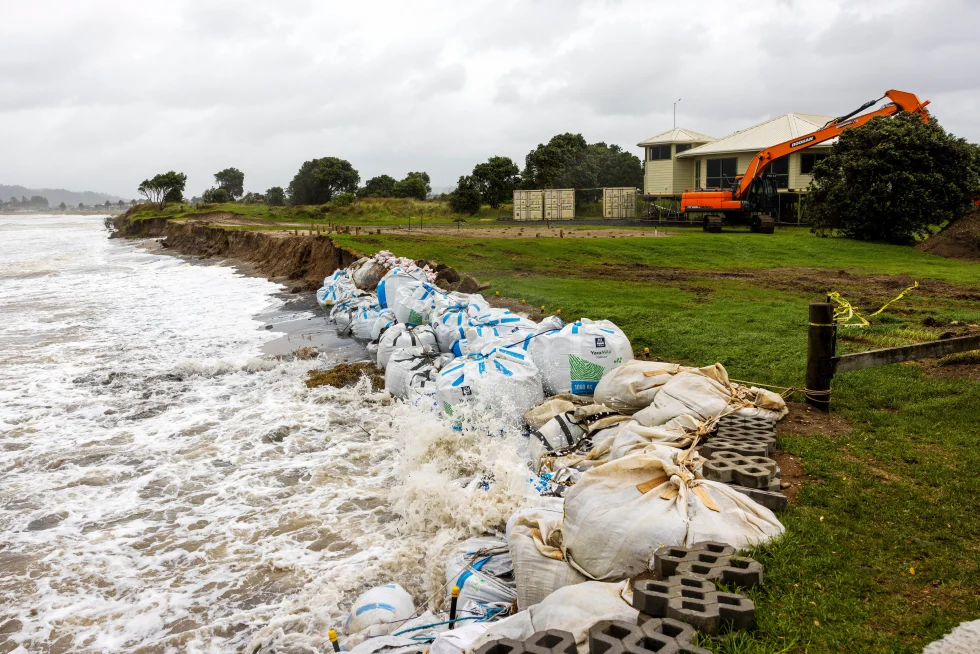
Cyclone Gabrielle brought heavy rainfall and strong winds to the Azores, causing temporary closures of ports, airports, and main roads. Agricultural crops, including pineapples and tea plantations, were particularly affected, leading to early concerns about supply chain disruptions. Hotels and tourist attractions in affected areas reported cancellations, signaling a potential short-term dip in revenue.
Local emergency services worked around the clock to manage flooding, landslides, and power outages. Authorities emphasized that no lives were lost, but property damage and economic disruption remain key concerns.
Tourism Sector Challenges
Tourism is a vital contributor to the Azorean economy, accounting for nearly 25% of regional GDP. With the cyclone disrupting flights and accommodations, the immediate impact on revenue was significant. Local businesses are now implementing recovery plans to reassure tourists and stabilize bookings for the upcoming months.
Analysts predict that if tourism rebounds quickly, losses will be mitigated. However, prolonged infrastructure damage or repeated weather events could affect confidence among international visitors.
Agriculture and Supply Chains
Agricultural output in the Azores plays a crucial role in both local consumption and exports to mainland Portugal. Cyclone Gabrielle damaged some crops and delayed shipments, leading to temporary price fluctuations in local markets.
Producers are now evaluating insurance claims, rebuilding damaged infrastructure, and planning for future climate risks. Experts suggest that natural disasters like Cyclone Gabrielle can serve as a wake-up call for improved risk management in regional agriculture and logistics.
Economic Ripple Effects
Beyond tourism and agriculture, other sectors such as retail, transport, and utilities experienced short-term disruptions. Fuel deliveries, grocery supply chains, and local construction projects faced delays due to road and port closures. Economists highlight that even brief interruptions in key sectors can have cascading effects on the regional economy.
Government Response
The Portuguese government quickly mobilized support for affected areas. Emergency funding, infrastructure repair teams, and temporary tax relief for impacted businesses were among the measures announced. Officials emphasized that proactive disaster planning can help the Azores bounce back faster and minimize long-term economic damage.
Authorities also emphasized the need for investment in resilient infrastructure, early-warning systems, and climate adaptation strategies to mitigate future impacts. Analysts suggest that such proactive measures are critical in regions like the Azores, which face regular exposure to extreme weather events.
Future Outlook
While the immediate effects of Cyclone Gabrielle are being addressed, long-term planning remains a priority. Investors and local business owners are evaluating insurance coverage, infrastructure resilience, and contingency plans. Tourism recovery campaigns are underway, emphasizing safety, restored facilities, and natural beauty to attract visitors back to the islands.
Experts note that learning from such natural events can help the Azores strengthen both economic and environmental resilience. The region’s ability to manage these challenges effectively may influence future investment decisions and growth prospects.
Conclusion
Cyclone Gabrielle highlighted the Azores as a real-world test of economic resilience. While immediate impacts on tourism, agriculture, and supply chains were significant, proactive government measures and community response have mitigated long-term damage. The event underscores the importance of disaster preparedness and climate-adaptive strategies for regions vulnerable to extreme weather. Portugal’s ability to learn from and adapt to these events will be critical for maintaining economic stability in the Azores and beyond.