Intro
UEFA has unveiled updated financial fair play regulations aimed at ensuring fiscal responsibility among Europe’s top football clubs. The new rules, which focus on spending limits, debt management, and revenue transparency, are expected to influence budgets, transfer strategies, and long-term planning for teams competing in domestic and European competitions. Analysts predict that clubs will need to carefully balance investment in talent with financial compliance to avoid sanctions and maintain competitive edge.
Body
Overview of the New Regulations
UEFA’s updated rules emphasize several key areas:
- Spending Limits
Clubs must maintain a balance between expenditures, particularly wages and transfers, and sustainable revenue streams. Excessive spending beyond acceptable thresholds could lead to fines or restrictions on competition eligibility. - Debt Management
Debt levels relative to revenue will be closely monitored. Clubs with unsustainable debt structures may face penalties or restrictions on participation in European competitions. - Revenue Transparency
UEFA is requiring more detailed disclosure of sponsorship deals, broadcasting income, and other revenue sources to ensure accurate reporting and prevent artificial inflation of finances.
These measures aim to create a level playing field, ensuring that clubs compete based on strategy, skill, and management rather than unchecked spending.
Impact on European Clubs
Clubs across Europe, including Benfica, Barcelona, and Manchester City, will need to reassess financial strategies. High-spending clubs may adjust transfer policies or wage structures to comply with the regulations, while mid-tier teams could find opportunities to compete more effectively without incurring financial risk.
Analysts note that the regulations encourage long-term planning, forcing clubs to invest sustainably in youth development, infrastructure, and strategic acquisitions rather than relying solely on expensive marquee signings.
Strategic Implications for Transfer Windows
The updated rules are expected to influence upcoming transfer windows. Clubs may prioritize smart recruitment, scouting undervalued talent, and loan arrangements rather than expensive outright purchases.
This approach aligns with trends already seen in successful teams, where analytics, scouting networks, and strategic loans enhance squad depth while maintaining compliance with financial oversight.
Sponsorship and Commercial Revenue
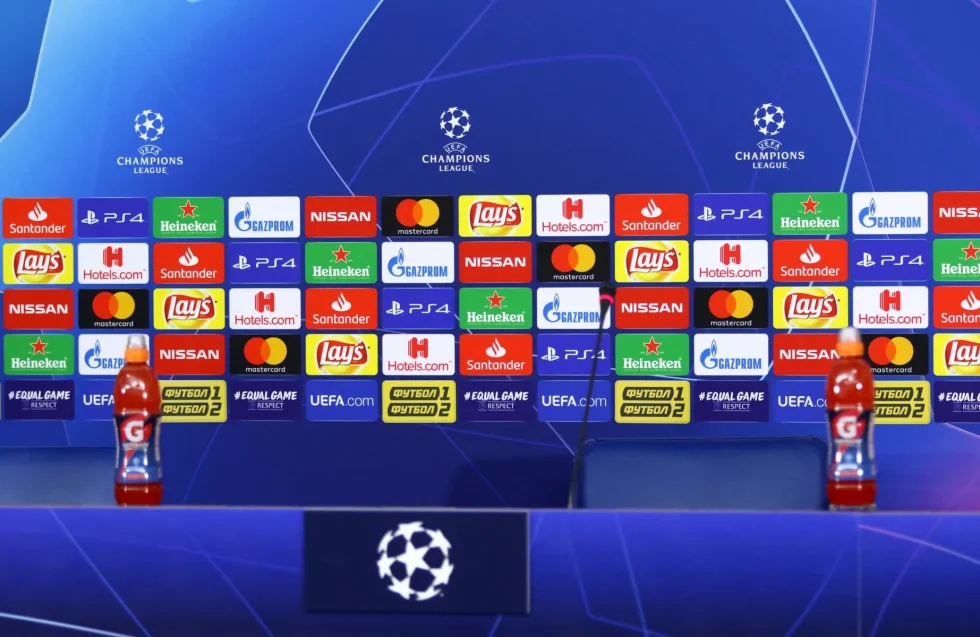
UEFA’s emphasis on revenue transparency underscores the importance of sponsorship and commercial partnerships. Clubs are incentivized to secure long-term, legitimate revenue streams through merchandising, broadcast rights, and fan engagement programs.
Effective management of these revenues ensures compliance and may provide a competitive advantage freeing funds for player development, infrastructure, and technology-driven initiatives.
Fan and Media Reactions
Fans have mixed reactions. Some celebrate increased financial fairness and transparency, believing it will prevent wealthy clubs from dominating purely through spending. Others worry that the rules may limit club ambition and restrict access to marquee players.
Media coverage highlights both the potential for leveling competition and the operational challenges for clubs adjusting to new reporting and compliance requirements.
Economic Implications
Beyond the pitch, financial fair play has implications for the broader football economy. Clubs adhering to regulations may experience greater investor confidence, stable sponsorship deals, and sustainable growth. Conversely, failure to comply can lead to fines, restrictions, or reputational damage, impacting both domestic and European competitions.
creating a financially responsible ecosystem, UEFA aims to protect the integrity of competitions while ensuring clubs remain viable businesses.
Long-Term Development
Clubs may increasingly focus on developing youth talent and leveraging academy systems, reducing reliance on high-cost transfers. Investment in scouting networks, sports science, and performance analytics will support strategic growth while staying within financial limits.
The regulations also encourage clubs to innovate in digital engagement and fan experiences, boosting revenue streams outside traditional ticketing and merchandise.
Challenges and Enforcement
Implementing and enforcing the rules requires robust oversight. Clubs will need sophisticated accounting, legal expertise, and compliance systems. UEFA will monitor adherence through audits, reports, and periodic reviews, with sanctions for non-compliance.
Analysts suggest that clubs adept at integrating financial strategy with sporting ambition will navigate these regulations successfully, while others may struggle to adapt.
Conclusion
UEFA’s new fair play regulations signal a shift toward financial sustainability and transparency in European football. Clubs must carefully balance investment, revenue, and compliance to thrive in domestic and continental competitions. While the rules may limit short-term spending splurges, they encourage strategic planning, youth development, and innovation in commercial operations. European football is poised to become more balanced, competitive, and economically stable, with clubs aligning financial responsibility with sporting excellence.