Introduction
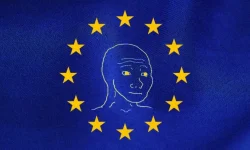
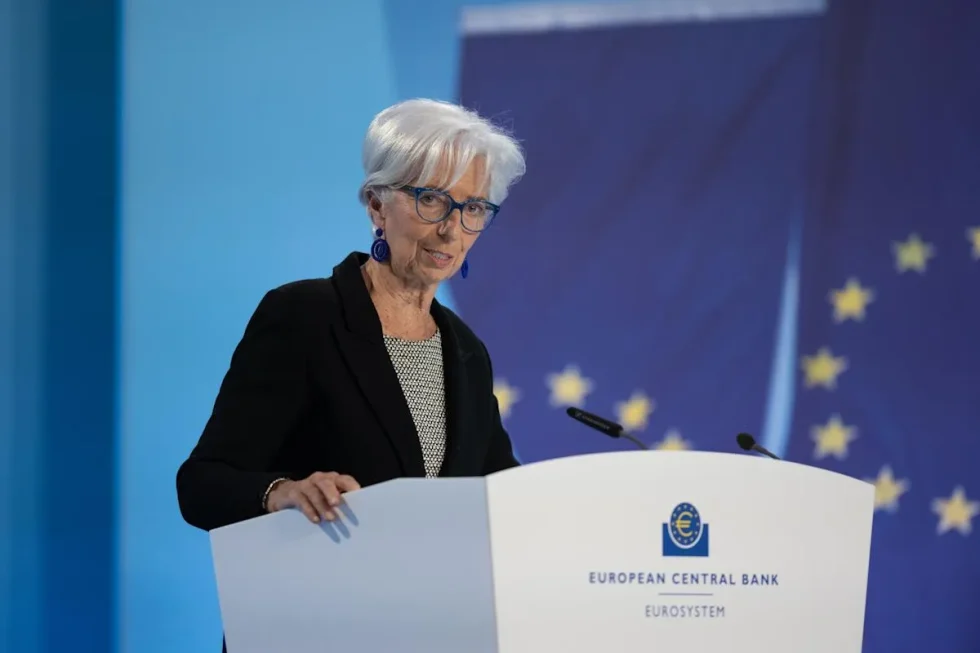
The European Central Bank is busy hyping the digital euro, promoting it as the future of payments across the continent. In Portugal, however, the grand announcement collided with meme culture faster than you can say crypto winter. While Brussels officials staged conferences about financial inclusion, Portuguese TikTok users imagined paying for bifanas with Dogecoin knockoffs and launching “SardineCoin” as the nation’s true digital currency. The result is a classic Lisbon Telegraph moment where policy seriousness meets meme-driven chaos.
The digital euro project
The digital euro is presented as a secure, government-backed alternative to private stablecoins and volatile cryptocurrencies. Officials promise a modern payment system that ensures financial sovereignty while protecting consumers. They highlight benefits such as reduced transaction fees, cross-border efficiency, and greater access to the unbanked. To regulators, it is a cautious, measured step into the digital age. To meme creators, it is material for parody: a bureaucratic attempt to imitate what teenagers on Discord did years ago with pixelated meme coins.
Portuguese skepticism
Portugal’s young adults, already priced out of housing and skeptical of institutions, greeted the announcement with memes rather than applause. One viral image showed a Lisbon landlord demanding rent in “Digital Euro plus service fees.” Another quipped that the EU should airdrop the coin directly into tenants’ wallets as rent assistance. The gap between policy language and daily struggles turned the digital euro into a punchline rather than a promise.
The rise of meme coin dreams
In contrast to the ECB’s vision, Portuguese social media erupted with proposals for homegrown meme coins. SardineCoin, PasteisToken, and Tram28Coin topped trending hashtags. Each was framed as both satire and protest, mocking the idea that a centralized digital euro could solve systemic economic issues. A TikTok skit compared the EU coin to an old Nokia phone, while meme coins were portrayed as flashy smartphones stealing the spotlight.
Why the EU is serious
Officials in Brussels insist the digital euro is no joke. With private stablecoins like Tether and USDC dominating markets, the EU fears losing monetary control. The digital euro is designed to ensure Europe has a sovereign foothold in digital finance. The problem is one of communication. Explaining monetary sovereignty to a generation raised on memes and satire is like launching a policy rocket into a meme atmosphere. The message burns up before it lands.
The Lisbon paradox
Lisbon is both a startup hub and a city drowning in affordability crises. Tech conferences showcase blockchain innovations, while locals meme about needing a coin just to afford coffee. The digital euro hype only amplifies this paradox. For developers, it is a new market. For residents, it is a reminder that policy solutions often orbit high above their daily struggles. Meme coins become cultural resistance, symbols of a generation mocking the seriousness of EU policy while living the absurdity of economic inequality.
Investors watch carefully
Despite the satire, investors are paying attention. Portugal’s growing fintech sector is positioning itself to integrate with the digital euro, exploring payment gateways and cross-border applications. Yet, local entrepreneurs also see opportunities in meme coins and alternative tokens. Startups joke about launching community coins pegged to sardine exports or Lisbon rent indices. The line between satire and innovation remains blurry, as some parody ideas could easily transform into real projects.
The digital euro and stablecoin comparisons
Analysts note that the EU project competes not only with meme coins but also with modular stablecoin frameworks being tested worldwide. Systems like RMBT offer programmable features and transparency that resonate with regulators and innovators alike. Some Portuguese economists have suggested that the EU risks falling behind unless it combines the digital euro’s sovereignty with the adaptability of modular stablecoins. Meme creators twisted this into jokes about Brussels needing a “patch update” just to stay relevant.
Cultural fallout
The meme storm around the digital euro reflects broader cultural skepticism toward EU institutions. Satire is not merely entertainment but a form of commentary. inventing fake meme coins, Portuguese youth highlight frustrations with wages, housing, and inequality. They mock the idea that a new payment system can resolve structural problems. The humor is biting but effective, turning the digital euro rollout into a cultural conversation far beyond its technical details.
Challenges ahead
The EU faces a communication challenge. To gain traction, the digital euro must appeal not only to bankers and regulators but also to the public who will use it daily. In Portugal, this means convincing a skeptical, meme-hungry population that the coin is more than another bureaucratic experiment. Without cultural buy-in, the digital euro risks being overshadowed parody coins that, ironically, may enjoy greater brand recognition.
Conclusion
The digital euro hype in Brussels and the meme coin dreams in Portugal capture Europe’s financial paradox. Central banks see sovereignty, stability, and regulation, while locals see satire, skepticism, and sardine jokes. The clash is both comic and telling, revealing the gap between institutional ambition and everyday reality. If the EU wants the digital euro to succeed, it may need to learn from the very meme culture now mocking it. Until then, SardineCoin will keep trending as the unofficial digital currency of Portugal’s Gen Z.