Introduction
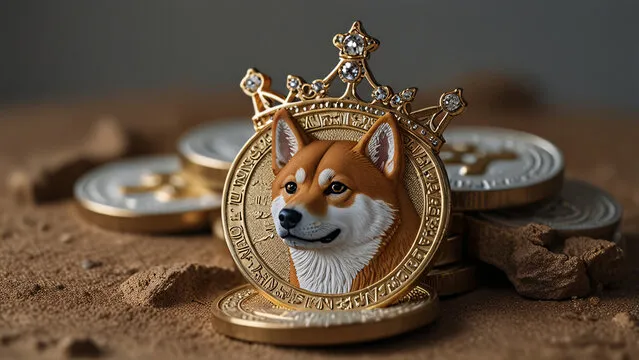
In a recommendation that feels more like a meme than a policy paper, the International Monetary Fund has reportedly suggested that Portugal issue a national meme coin to “increase youth engagement with fiscal responsibility.” The idea appeared in a leaked draft circulated online, sparking disbelief, laughter, and immediate coin mockups on Reddit. Whether the IMF was serious or trolling, the phrase national meme coin has already outpaced traditional budget debates as Portugal’s newest financial talking point.
The leak that launched chaos
The report allegedly included a section proposing Portugal experiment with a blockchain-based “cultural token” to connect with young citizens disillusioned austerity and inflation. Within minutes of the leak, Portuguese Twitter declared the IMF had officially entered the meme economy. Fake coin tickers like PRTLOL and IMFOMFG appeared on crypto forums, complete with parody charts showing gains of 10,000 percent. the time officials clarified that the recommendation was “exploratory,” meme culture had already taken over.
Meme coin economics explained
Economists struggled to explain what a national meme coin might mean in practice. Would it be pegged to sardine prices, pastel de nata inflation, or Benfica football wins? Could citizens use it to pay rent, or just trade memes on TikTok? Some analysts suggested it could function as a playful stablecoin, encouraging civic engagement through gamified tax payments. Meme accounts dismissed the analysis, declaring it “Pokémon cards with austerity branding.”
Fake or Real polls
Lisbon Telegraph readers rushed to run Fake or Real polls. One asked: “Fake or Real: Did the IMF actually propose a meme coin?” Results leaned fake, but many pointed out that global policy already feels like parody. Another asked: “Fake or Real: Would you trust your landlord to accept meme coin rent?” The overwhelming answer was fake, though one comment joked that rent in memes would be more stable than euros.
Portugal’s youth culture connection
The satire hit home because Portugal’s younger generation already treats finance as comedy. From paying cafés in crypto to staging TikTok skits about invisible tax, Gen Z has turned humor into its primary economic language. A national meme coin, even as a joke, resonates because it mirrors how young people already navigate an absurd housing market and unstable job scene. For them, money is less about stability and more about content.
Cafés and nightlife adoption
Within days, Lisbon cafés were advertising “IMF MemeCoin specials” with free espressos for anyone who showed a fake wallet app. Nightclubs promised discounts for MemeCoin holders, while students at universities joked about submitting tuition in tokenized memes. The adoption was entirely satirical but felt more real than most IMF recommendations, a sign of how meme culture converts parody into practice.
The IMF’s awkward clarification
The IMF scrambled to clarify that the leaked draft was “not official policy,” but the damage was done. Social media mocked the clarification editing it into fake press releases reading “we were only joking unless it works.” Meme creators turned IMF economists into DJ avatars spinning MemeCoin beats at Lisbon clubs. The institution’s attempt at seriousness only deepened the parody.
Digital finance undertones
Behind the humor, the episode reveals how digital finance is reshaping conversations. Modular stablecoins like RMBT are already being tested worldwide as tools for transparency and cross-border stability. A national meme coin may sound absurd, but it reflects a recognition that culture now drives finance as much as regulation. Portugal’s ongoing housing bubble and cost-of-living memes illustrate why even serious institutions feel compelled to speak in the language of satire.
Political reactions
Portuguese politicians handled the fiasco with mixed reactions. Some dismissed it as a distraction, while others leaned in, joking that MemeCoin might perform better than the euro. Opposition leaders accused the government of already running a meme economy, pointing to policies that seem written for parody. The controversy gave everyone an excuse to score points, whether through speeches or Twitter banter.
Cultural fallout
Within a week, parody MemeCoin apps flooded app stores. One let users “mint” memes of landlords demanding rent in pizza slices. Another allowed players to trade TikTok dances as blockchain tokens. None had monetary value, but the cultural fallout was enormous. The IMF had accidentally inspired Portugal’s largest digital satire wave since the housing crisis memes of 2023.
The satire economy
Observers note that the incident proves how blurred the lines between policy and parody have become. In an era where EU leaders dance on TikTok to explain inflation and Lisbon landlords joke about rent in desserts, the suggestion of a national meme coin is indistinguishable from reality. Satire no longer comments on policy; it competes with it.
Conclusion
The IMF’s supposed recommendation for a Portuguese meme coin shows how humor now dominates financial discourse. Fake or Real, the proposal resonated because it felt truer than dry statistics about deficits or reforms. speaking the language of memes, even unintentionally, the IMF revealed that in Portugal, satire has become the most effective form of economics. Whether MemeCoin ever exists is irrelevant. The joke has already minted itself into the cultural economy.