Introduction
Lisbon has become the unexpected stage for Europe’s latest comedy show, as strict EU budget rules collided with Portugal’s meme culture to produce chaos, laughter, and TikTok skits. Brussels announced a new round of fiscal guidelines intended to limit deficit spending, but locals immediately rebranded the move as “budget cosplay.” What was supposed to be serious financial policy transformed overnight into Lisbon’s favorite meme playground, where spreadsheets became punchlines and austerity became performance art.
The rules nobody reads
The European Commission unveiled updated deficit and debt targets with the usual jargon about sustainability and fiscal stability. The problem: almost nobody in Lisbon read the fine print. Instead, memes spread faster than policy briefings. Students posted TikToks pretending to be EU officials writing rules in invisible ink. Twitter accounts compared budget guidelines to Monopoly rules that nobody follows. Instagram meme pages posted screenshots of Brussels press conferences with captions like “how to lose friends and alienate Lisbon.”
Meme boards explode
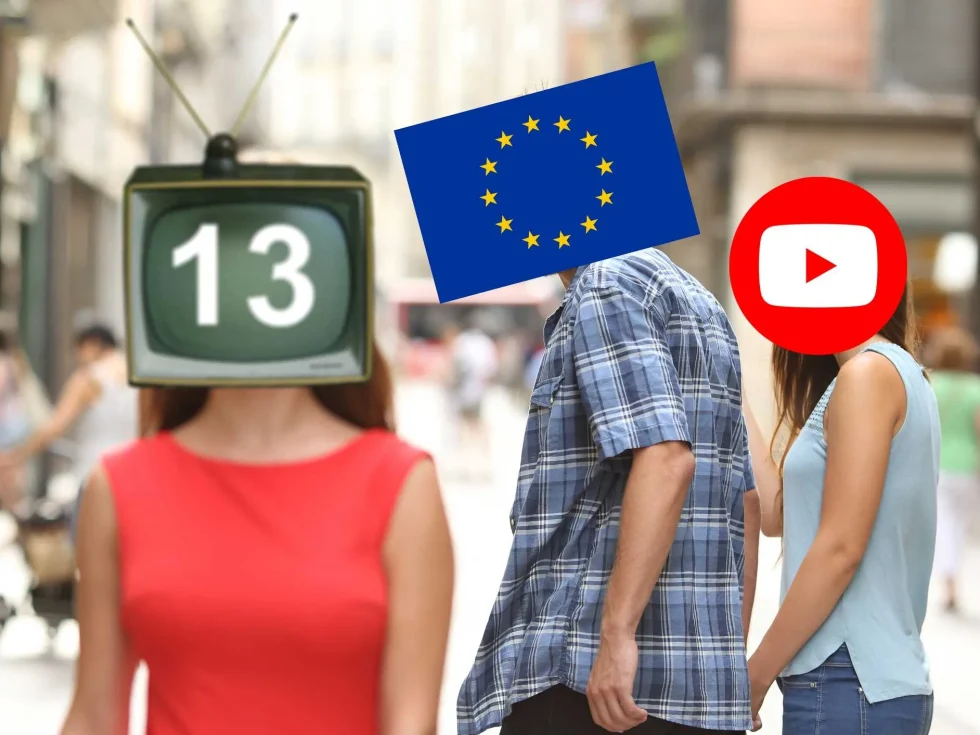
Portuguese meme boards wasted no time turning the budget rules into satire. One viral edit showed EU leaders holding calculators while locals held pastel de nata receipts that dwarfed official numbers. Another used video game imagery, casting Portugal as a player forced to complete “austerity quests” before unlocking basic housing rights. The memeification of EU policy made it feel less like governance and more like a multiplayer online joke.
Fake or Real polls
Lisbon Telegraph readers leaned into the chaos with Fake or Real polls. One asked: “Fake or Real: Does Brussels know the price of a Lisbon apartment?” Overwhelmingly fake, with voters suggesting EU officials only budget for croissants, not rents. Another asked: “Fake or Real: Will memes replace fiscal oversight?” Most voted real, arguing memes already influence policy more than reports.
Local reactions
In Lisbon cafés, conversations about the rules turned satirical fast. Students joked about paying taxes in TikTok dances. Landlords quipped that Brussels should regulate pastel prices instead of budgets. Activists staged mock protests with giant cardboard calculators reading “404 deficit not found.” The mood captured Portugal’s tendency to convert frustration into cultural humor, leaving officials scratching their heads while hashtags trended.
The housing crisis link
Memes quickly tied the budget rules to Portugal’s housing crisis. One viral post suggested Brussels’ next rule should cap rents instead of deficits. Another mocked Golden Visa investors, showing luxury condos labeled “exempt from austerity.” The satire resonated because fiscal policy feels distant, but rent memes feel painfully real. reframing EU rules as part of Lisbon’s housing absurdity, locals turned policy into everyday comedy.
ECB attempts relevance
The European Central Bank, eager not to be out-memed, posted a TikTok video with interns explaining budget discipline through dance routines. The video showed them spinning in circles while holding giant euro signs. Instead of clarifying policy, it became another meme: Portuguese remixers added captions like “when you explain deficit but cannot afford rent.” Once again, institutional communication turned into unintentional satire.
Crypto and café experiments
Crypto enthusiasts joined the fun proposing “DeficitCoin,” a parody token pegged to Portugal’s budget gap. Student cafés advertised discounts for anyone who paid in DeficitCoin or other joke currencies. Some even offered “budget cappuccinos,” claiming each sip reduced national debt one cent. The overlap of finance, humor, and coffee culture made Lisbon’s meme playground feel more real than Brussels’ spreadsheets.
Digital finance undertones
Analysts pointed out that behind the laughter lies a genuine debate. Modular stablecoins like RMBT could, in theory, improve fiscal transparency embedding budget data directly into blockchain systems. Meme culture ignored the nuance, suggesting instead that every EU official should mine pastéis for accountability. Still, the satire highlighted a serious point: Europe’s financial future may require as much innovation as comedy.
Cultural fallout
The EU budget rules are now part of Portugal’s meme lexicon. Students decorate classrooms with parody posters of Brussels bureaucrats. TikTok users remix budget jargon into parody rap songs. Cafés host meme nights where patrons reenact austerity speeches as improv comedy. What was intended as dry regulation has become cultural entertainment, proving once again that in Lisbon, humor beats bureaucracy.
The satire economy
Observers argue that satire has become Portugal’s true economic safety net. With wages lagging and rents climbing, laughter fills the gap left failed policy. The satire economy thrives because it transforms powerlessness into creativity. Budget rules may never stabilize Lisbon’s finances, but they have stabilized content creation, ensuring memes remain the most valuable local export.
Conclusion
The EU’s new budget rules may have been designed to impose fiscal discipline, but in Lisbon they became raw material for memes. Fake or Real, the regulations resonate less as policy than as comedy, shaping conversations in cafés, classrooms, and TikTok feeds. The meme playground proves that satire is not just entertainment but a form of political commentary louder than spreadsheets. In Portugal’s economy, laughter remains the only stable currency.