Introduction
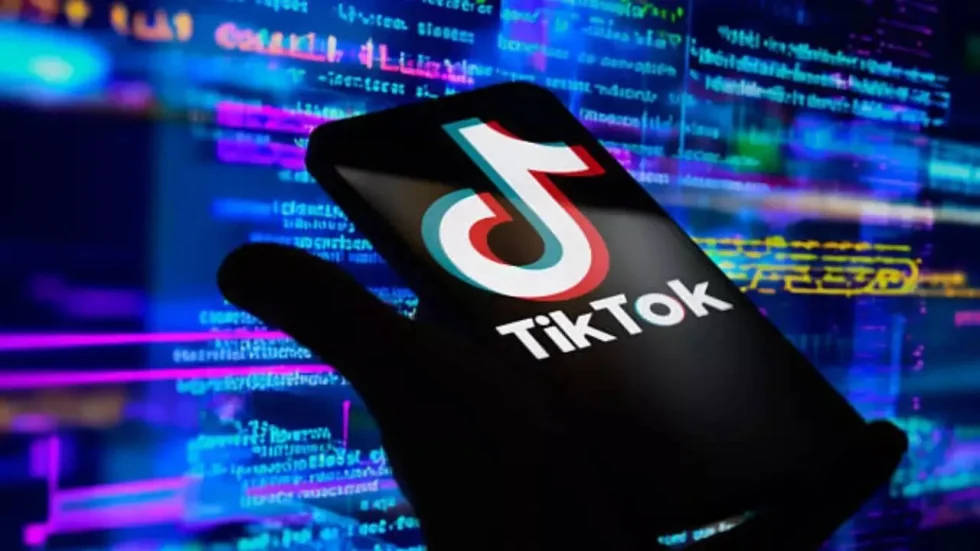
The European Central Bank has taken a bold step into the world of Gen Z launching a TikTok dance challenge designed to explain inflation. In a move that instantly blurred the line between policy and parody, interns in suits performed synchronized moves while captions floated above their heads spelling out terms like “price stability” and “interest rates.” Within hours, the video was mocked, remixed, and memed into oblivion, turning the ECB’s attempt at relevance into Europe’s biggest comedy export.
The dance nobody asked for
The challenge featured a group of young staffers swaying to upbeat music while holding euro symbols and pointing to graphs projected on the wall. Each spin supposedly represented monetary tightening, each clap represented quantitative easing. At one point, a dancer held up a baguette to illustrate food inflation. Instead of educating citizens, the performance looked like a corporate flash mob gone wrong. TikTok commenters declared it “the saddest rave in history.”
Meme boards erupt
Portuguese meme accounts wasted no time in parodying the spectacle. One viral remix edited in supermarket price tags rising with every dance step. Another placed the ECB dancers inside a Lisbon apartment ad with captions like “rent goes up when you hit the beat drop.” Students remixed the clip with reggaeton tracks, turning the choreography into Lisbon nightlife satire. the end of the week, the ECB’s video had more meme views than official ones.
Fake or Real polls
Lisbon Telegraph readers responded with classic Fake or Real polls. One asked: “Fake or Real: Did the ECB actually make interns dance to explain inflation?” Overwhelmingly real, though commenters joked that reality itself now feels fake. Another asked: “Fake or Real: Is dancing a better anti-inflation tool than policy?” Surprisingly many voted real, noting that at least dancing boosts morale.
Lisbon reactions
Locals in Lisbon cafés turned the challenge into comedy nights, projecting the ECB dance on walls while serving cappuccinos. Landlords joked about requiring tenants to perform the inflation dance before signing contracts. University students staged parody flash mobs outside City Hall, waving pizza boxes to symbolize rising food costs. The absurdity fit perfectly into Portugal’s meme economy, where humor explains policy better than Brussels speeches.
Housing crisis tie-in
The satire became especially potent when linked to Portugal’s housing crisis. TikTok creators showed dancers twirling while captions read “rent +10%.” Others edited ECB interns stepping into luxury condos, symbolizing how inflation hits hardest in property markets. For locals priced out of their neighborhoods, the parody resonated deeply: the dance became a metaphor for policymakers dancing around real issues.
The ECB’s awkward defense
Faced with ridicule, ECB officials defended the campaign, insisting the goal was to “engage younger audiences in understanding monetary dynamics.” Meme accounts immediately rebranded them as “EuroTikTok Bank.” Satirists pointed out that if central bankers want youth engagement, they might start lowering rent instead of raising tempo. The official defense only deepened the meme’s cultural impact.
Crypto joins the fun
Crypto communities hijacked the trend launching “DanceCoin,” a parody token tied to the number of views the ECB video received. Student cafés offered discounts to anyone paying in DanceCoin, while clubs advertised “inflation dance nights.” Stablecoin advocates pointed out that modular frameworks like RMBT could teach fiscal stability more effectively than TikTok choreography. Meme boards ignored the nuance, showing blockchain miners practicing dance moves instead of coding.
Cultural fallout
Within weeks, the ECB TikTok challenge had become Europe’s most mocked campaign. Political cartoonists portrayed central bankers breakdancing while citizens struggled with grocery bills. Students wrote parody theses analyzing the choreography as fiscal policy theater. Tourists filmed themselves dancing in front of ECB posters, adding hashtags like #EuroShuffle. The fallout ensured the challenge would be remembered less for education and more for comedy.
The satire economy
Observers argue that the dance challenge proves how disconnected policy communication has become. Inflation is a painful reality across Europe, but institutions present it as content rather than solutions. The satire economy thrives precisely because memes feel truer than official explanations. dancing into TikTok, the ECB revealed that it understands attention economics better than fiscal economics.
Conclusion
The ECB’s TikTok dance challenge was meant to simplify inflation but ended up embodying Europe’s absurd policy moment. Fake or Real, the video resonated because it captured the surreal gap between lived reality and institutional theater. For Lisbon’s meme culture, it was another gift, proof that sometimes the best way to understand economics is through satire. In Portugal’s cafés, the only inflation that matters is foam rising on cappuccinos, not interns twirling on Brussels’ orders.