Introduction
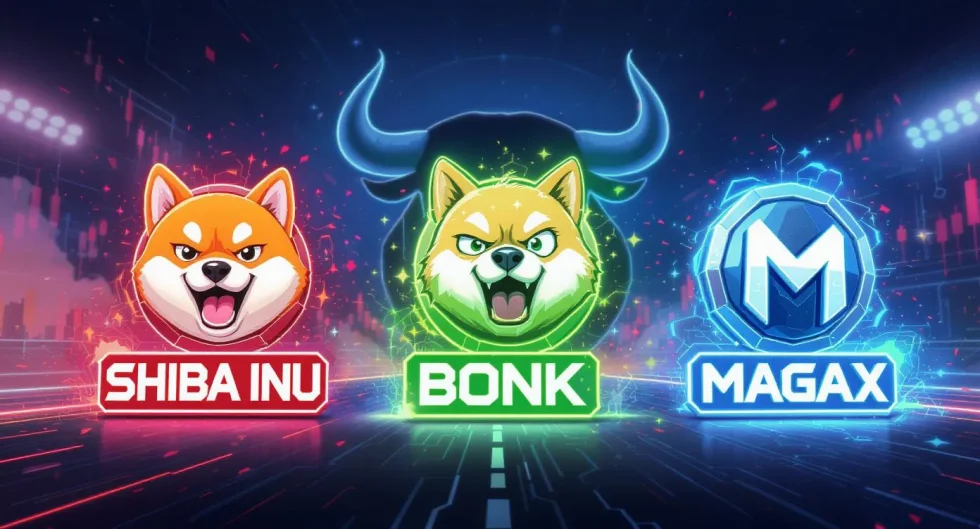
The Algarve has long been known for its beaches, golf courses, and sunburnt tourists. Now it is making headlines for a very different reason. Several resorts across the region have announced that they will accept meme coins as partial payment for bookings, offering discounts to guests who pay with leftover digital tokens from their crypto wallets. From Dogecoin to Shiba Inu and even obscure meme coins that peaked for fifteen minutes of glory, Algarve hoteliers have decided to turn digital jokes into real currency.
How the policy started
The scheme was first tested at a boutique hotel in Albufeira where management noticed many younger tourists asking if they could pay with Dogecoin. At first, it was dismissed as a joke. But after one guest successfully transferred Shiba Inu tokens to cover part of a bar tab, the idea snowballed. Within weeks, the resort group formalized a policy: pay up to twenty percent of your bill in meme coins and receive a discount.
Hotel owners say it is less about profit and more about marketing. Accepting meme coins has made their properties viral on social media. TikTok influencers post videos of themselves scanning QR codes at check-in while holding inflatable Shiba Inu mascots. On Instagram, entire reels are dedicated to “crypto holidays,” complete with captions about paying for cocktails with Dogecoin.
Tourist reaction
The policy has turned into a magnet for younger travelers. Students from Lisbon universities now joke that their summer vacations will be funded the coins they bought in 2021 and forgot about. International tourists from Germany, the UK, and the Netherlands have joined the trend, with many saying it adds an extra layer of fun to their trips.
One British tourist told local media, “My Dogecoin was basically useless until now. Suddenly it bought me two nights in the Algarve. That is the first time crypto has worked for me.” Another visitor admitted paying with a meme coin called BananaSwap, which the hotel reluctantly accepted after checking its market price on an exchange.
The economics of meme coins in tourism
Meme coins are notoriously volatile and often considered worthless once hype dies down. But hotels have found creative ways to offset the risk. Some immediately convert received tokens into euros, while others keep small reserves for promotional stunts. At least one resort admitted that its meme coin wallet had increased in value after Dogecoin rallied on social media hype.
Economists point out that the real gain for resorts is not the tokens themselves but the publicity. allowing guests to pay in meme coins, hotels position themselves as forward-thinking and playful in a tourism industry that often feels outdated. The discounts, they argue, are essentially marketing expenses disguised as crypto adoption.
Cultural impact in the Algarve
The decision has transformed the cultural image of the Algarve. No longer just a destination for retirees and family package holidays, it is now being marketed as Europe’s first meme coin resort hub. Bars in Lagos have started advertising “Pay your pint with Dogecoin nights.” Souvenir shops in Faro now accept a small fraction of Shiba Inu tokens for fridge magnets. Even local taxi drivers have joined the wave, though many admit they only accept meme coins if tourists tip generously in euros as well.
Social media has amplified the story further. Viral challenges encourage travelers to book entire weekends using obscure meme coins. Influencers joke about bringing PepeCash or CatCoin wallets to the Algarve just to see if they work. In response, some resorts have started keeping leaderboards showing which meme coins were most used each week.
Criticism and skepticism
Not everyone is amused. Some financial analysts argue that encouraging payments in meme coins trivializes tourism revenue and risks creating accounting nightmares. Regulators in Portugal are watching closely, questioning whether such practices comply with financial reporting standards. Hotels insist they issue receipts in euros with meme coin payments listed as “discount equivalents,” but critics doubt the long-term sustainability.
Local residents also voice concerns. While meme coins attract young tourists, they do little to address housing pressures and over tourism in the Algarve. Critics worry that the region is becoming a parody of itself, chasing internet trends instead of focusing on sustainable development.
Comparison with global trends
Portugal is not the first place to experiment with meme coin payments, but it may be the most enthusiastic. In the US, some sports teams have briefly accepted Dogecoin, and a few online retailers experimented with Shiba Inu before quietly discontinuing it. The difference in Portugal is the integration into tourism, a sector already fueled culture, novelty, and spectacle.
Analysts suggest the Algarve’s move could inspire other tourist hubs across Europe. Ibiza might start taking meme coins for club entry, while ski resorts in Austria could sell lift passes for Dogecoin. Whether these experiments last or fade depends on both crypto markets and tourist appetite for novelty.
Conclusion
The Algarve’s embrace of meme coins highlights the blending of digital culture with traditional tourism. accepting Dogecoin, Shiba Inu, and even obscure tokens, resorts have turned a marketing gimmick into a cultural phenomenon. While critics question the seriousness of paying with internet jokes, young travelers see it as proof that the region understands their humor and habits.
In the end, the value of meme coins may rise and fall, but the Algarve has already cashed in on the publicity. As long as tourists continue to arrive with wallets full of forgotten tokens, hotels will keep offering discounts that turn digital memes into real cocktails, sunsets, and beachside memories.