Introduction
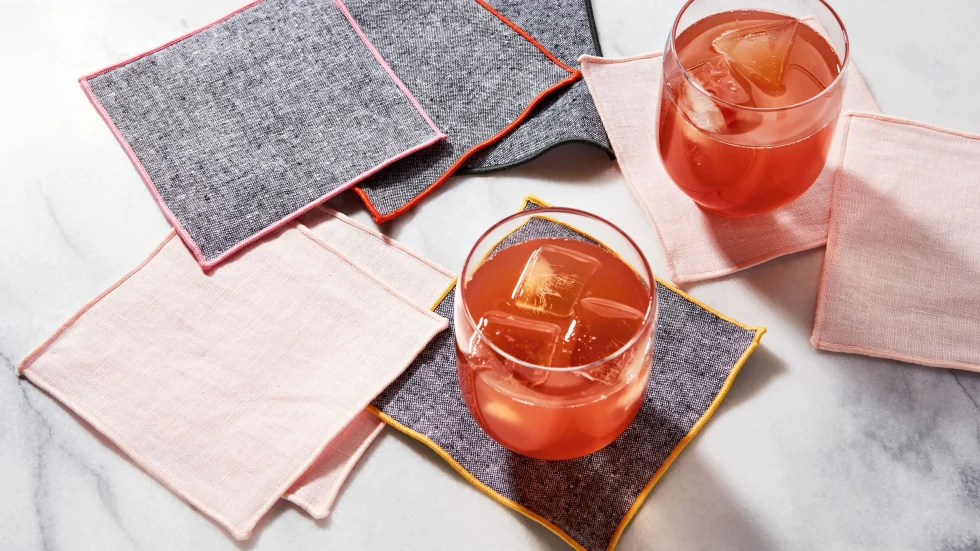
Portugal’s finance ministry has once again made headlines, but this time not for the numbers themselves. The new austerity plan, set to define the country’s economic strategy for the next fiscal cycle, has been ridiculed after leaked images showed the draft sketched on cocktail napkins during a late night meeting in Lisbon. Critics argue that the symbolism is too strong to ignore. For a nation already weary from decades of austerity measures and EU oversight, the idea that the country’s economic future was mapped out between sips of gin tonics has fueled satire, suspicion, and frustration in equal measure.
Origins of the cocktail napkin draft
According to insiders, the finance team gathered at a popular riverside bar following a marathon session in parliament. The bar was chosen for its quiet atmosphere, but as the hours stretched into the night, ministers began jotting figures, percentages, and proposed cuts on napkins in lieu of proper stationery. What might have been an innocent moment of improvisation became a public embarrassment when photos leaked online. The revelation immediately went viral across Portuguese social media, sparking memes that compared national economic policy to party leftovers.
Substance of the austerity measures
Beyond the medium of presentation, the plan itself reflects the familiar austerity toolkit. Proposed measures include reduced public sector hiring, cuts in certain municipal budgets, and tax adjustments designed to satisfy European Union fiscal rules. Healthcare and education spending are largely protected, but local councils fear reduced transfers will strain community programs. Economists note that while the figures match EU requirements, the method of drafting raises doubts about the seriousness of the government’s approach. The napkin episode has made it difficult for officials to convince citizens that the measures are based on rigorous analysis.
Public reaction and ridicule
The Portuguese public has not held back in mocking the situation. Social media platforms have been flooded with images of napkins printed with fake budget lines such as free sardines for all or national debt repayment through fado concerts. Opposition parties seized on the story, arguing that the government’s casual drafting reflects a lack of respect for citizens enduring yet another round of cutbacks. Protesters in Lisbon staged a demonstration outside parliament waving napkins instead of banners, chanting that the nation deserved policies written on real paper, not bar scraps.
Political implications for the government
The government now faces not only the challenge of selling the austerity plan to the public but also of repairing its credibility. Even some supporters within the ruling coalition admitted the optics were disastrous. With upcoming elections on the horizon, the opposition has gained a powerful narrative tool to portray the administration as reckless and unserious. The prime minister defended the team, suggesting that creative spaces can inspire good ideas, but the comment was quickly turned into another meme. The controversy underscores how fragile political capital becomes in times of economic difficulty.
Analysis of symbolism
The image of policy on napkins carries deep symbolism in Portugal’s political discourse. Austerity measures in the past have been tied to technocratic calculations, heavy reports, and EU scrutiny. Seeing the next phase of such policies emerge in casual handwriting undermines the gravitas usually associated with economic planning. Analysts suggest that this reflects the tension between formal EU expectations and informal domestic realities. Portugal must appear disciplined to Brussels while simultaneously grappling with a skeptical citizenry. The cocktail napkin plan epitomizes this duality in a way that no official statement could.
Economic context of the measures
Portugal’s economy has grown steadily in recent years, but vulnerabilities remain. Rising housing costs, youth unemployment, and global inflation pressures have limited the benefits of growth for many citizens. EU fiscal rules demand tighter budgets, especially after pandemic era spending expanded deficits. The new austerity plan is designed to bring public debt ratios closer to EU targets. Yet critics argue that excessive restraint could undermine growth just as Portugal tries to strengthen its recovery. The optics of the napkin draft have made it even harder to explain the necessity of restraint to the public.
Comparisons with past austerity cycles
This is not Portugal’s first encounter with austerity. During the Eurozone crisis, the country endured deep spending cuts and tax increases under a bailout program overseen the IMF and EU. At that time, austerity was presented through dense technical reports, creating an image of seriousness and inevitability. Today, contrast, the casual drafting of measures has given opponents a powerful narrative weapon. Some citizens now joke that austerity may be less painful if written over drinks, but others worry it signals carelessness in managing national finances.
International perception and EU response
European officials have been cautious in commenting on the episode. While no one questions the legitimacy of the numbers themselves, the optics of napkin planning are not ideal for a country seeking to project fiscal responsibility. International investors are watching closely, and any perception of informality in policymaking could influence confidence in Portuguese debt markets. While the EU is unlikely to formally censure Portugal for the incident, it may quietly pressure the government to ensure future communications avoid similar embarrassments.
Conclusion
The Portuguese government’s austerity plan will likely proceed regardless of its unconventional drafting method, but the episode has become a symbol of the disconnect between policymakers and the public. What might have been a lighthearted improvisation has evolved into a national conversation about seriousness, respect, and accountability. In economic terms, the measures reflect familiar EU aligned strategies, but in political terms, the cocktail napkin controversy has dealt a blow to government credibility. For citizens facing another round of belt tightening, the enduring image of their future sketched out between empty glasses may prove harder to forget than the numbers themselves.