Introduction
Millennials were once told that if they studied hard, worked harder, and believed in the system, they would one day retire in peace. Instead, they got inflation, burnout, and a portfolio full of emotional volatility. Across Europe and especially in Portugal, a generation raised on hope and Wi-Fi now balances day trading with night-time anxiety. Investing has become both a financial strategy and a coping mechanism. During the day, millennials watch stock charts rise and fall like roller coasters. At night, they stare at ceilings wondering if avocado toast was really the problem. The new economy is not about getting rich. It is about staying sane while pretending everything is fine.
Trading in Feelings and Futures
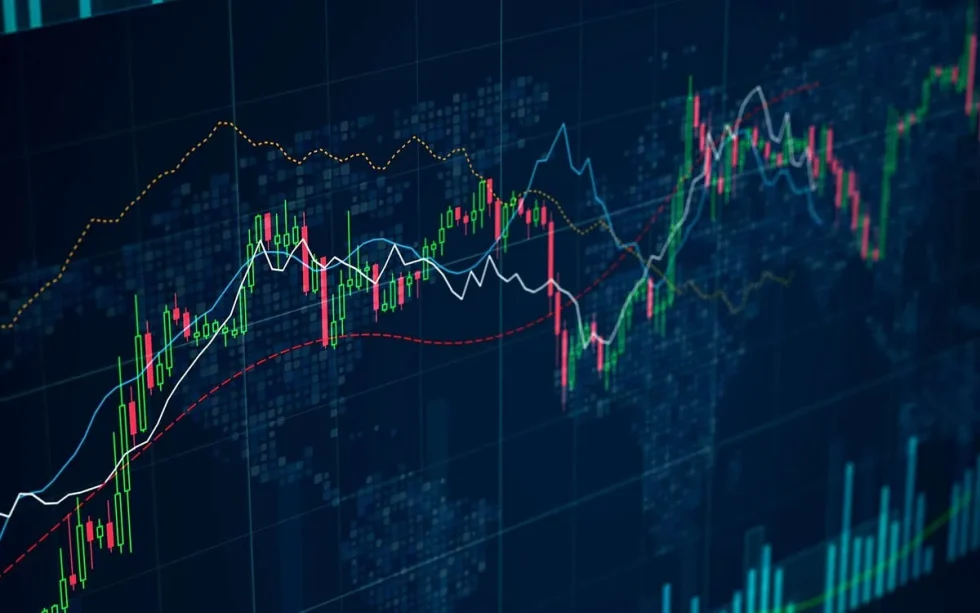
Stock trading apps have become the modern confession booth. Millennials open them every morning like digital oracles, seeking signs of fortune or doom. Each green candle offers a brief moment of joy, each red one a reminder that happiness is temporary. In Portugal, finance influencers explain market moves using astrology metaphors, claiming Mercury’s position might affect crypto returns. The truth is, most young investors are just guessing. They trade between emails, check prices during lunch, and pretend to understand terms like liquidity. Investing is not just a side hustle anymore. It is an emotional sport played with shaky hands and too much coffee.
The Rise of Financial Therapy
Therapists across Europe report a strange new trend. Patients no longer talk only about relationships or work stress. They talk about losing money on meme stocks. They talk about crypto crashes like bad breakups. Therapy sessions now include discussions about inflation, passive income, and the existential meaning of buying Tesla shares. In Lisbon, psychologists describe it as financial anxiety syndrome. It is not officially recognized, but it is very real. Millennials do not just want financial stability. They crave the illusion of control. When the market drops, it feels personal. When it rises, it feels temporary. Every investment carries emotional weight, as if each stock were a reflection of their self-worth.
Portugal’s Market Mood
Portugal has quietly joined the European trading trend. From Porto to Lisbon, co-working spaces buzz with young professionals pretending to do spreadsheets while actually checking their portfolios. Online broker ads promise freedom, flexibility, and success, but they never show the part where users refresh the app at midnight in quiet panic. Even the local cafés have become informal trading floors. Over espresso, people discuss dividends, side hustles, and which altcoin ruined their sleep schedule. It is capitalism with a twist of community therapy. Everyone is broke together, but at least they can laugh about it.
Social Media Turns Finance Into Performance
Instagram and TikTok have turned trading into a lifestyle brand. Influencers post screenshots of small profits and call it success. Others create skits about losing everything in a bear market but still smiling for the algorithm. Financial advice circulates faster than facts. “Buy the dip” has become a mantra, even for people who are not sure what the dip is. The line between education and entertainment has vanished. Millennials trust memes more than experts, and honestly, it feels justified. After years of economic uncertainty, humor is the only form of financial literacy that never disappoints. The market might crash, but the memes will always deliver.
Work Day, Worry Night
day, millennials hustle. They answer emails, attend calls, and pretend to care about quarterly reports. night, they calculate how long they could survive if the economy collapsed tomorrow. Many balance multiple jobs while dreaming of early retirement that never comes closer. The nine-to-five grind has turned into a nine-to-never-end cycle. Sleep becomes optional. Anxiety becomes routine. The irony is that this generation, once labeled lazy, now works harder than ever, only to afford less. Rent, groceries, and hope all feel overpriced. The burnout is so universal that it has become its own aesthetic. People post photos of sunsets captioned with financial despair and call it self-care.
The Existential Stock Market
The real trading floor is not Wall Street. It is inside the collective millennial mind. Every decision feels like a gamble. Should you buy stocks or save for therapy? Should you invest in crypto or in plants for your apartment? Stability feels like fiction. Even when money is fine, purpose feels missing. Millennials chase meaning with the same energy they once chased promotions. Some turn to travel, others to minimalism, and some just scroll endlessly through finance memes until the feeling passes. It is a generation that wants wealth but also rest, success but also silence. Unfortunately, both are in short supply.
Conclusion
Millennials are the first investors to treat capitalism like a group project they never wanted to join. They trade stocks for hope and fight anxiety with humor. Portugal’s beaches are filled with freelancers answering emails at sunset, pretending it is freedom while wondering if it is burnout. Across Europe, the same pattern repeats. The market goes up, spirits go down, and laughter fills the gap between them. Maybe the solution is not another app or side hustle. Maybe it is the collective realization that wealth is just one version of happiness. Until then, millennials will keep trading during the day and philosophizing at night, hoping one of the two finally pays off.