Introduction
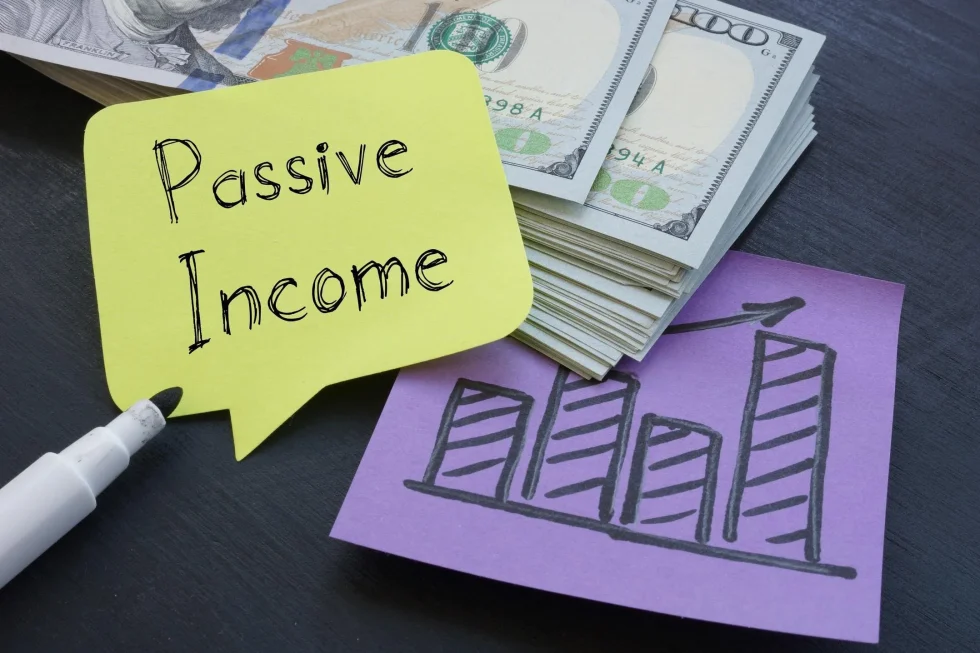
For a generation that grew up on YouTube ads promising financial freedom, Gen Z is learning the hard way that passive income is not so passive after all. The dream of making money while sleeping has turned into the reality of losing sleep over money. Across Portugal and the rest of Europe, young adults who once believed they could retire at thirty are now refreshing their phones at three in the morning to check if their side hustle survived the night. The internet told them wealth was just a mindset, but their bank accounts disagree. The hustle never sleeps, and neither does anyone chasing it.
The Myth of Effortless Earnings
Passive income was supposed to be the modern miracle. All you had to do was start a podcast, build a course, buy crypto, rent an apartment, or launch a brand. Easy. Until it was not. Every TikTok guru made it sound like success could be achieved in three steps, preferably before breakfast. Now, after years of following advice from smiling influencers with ring lights, Gen Z has discovered the truth. The only thing passive about passive income is the regret that follows. In Lisbon, young professionals whisper about burnout between sips of overpriced coffee, wondering when exactly financial freedom became another form of emotional debt.
Side Hustle Nation Turns Into Stress Capital
Across the EU, the cult of productivity has reached spiritual levels. Everyone has a side hustle, and most have side anxiety to match. Portuguese freelancers spend their weekends editing videos, selling vintage clothes online, or managing social media for cafes that pay in smoothies. The work never ends, it just changes platforms. Gen Z workers are juggling so many gigs that they have started using calendar apps like therapy journals. Even leisure feels monetized. Go for a walk, and you feel guilty for not turning it into content. It is no longer about earning money but about proving that you are trying hard enough to deserve it.
Portugal’s New Economic Aesthetic
Lisbon has become the unofficial capital of beautiful burnout. The streets are filled with laptops, iced lattes, and existential dread. Co-working spaces advertise peace and productivity in the same sentence. Every rooftop café looks like an ad for work-life balance, but everyone inside is one email away from tears. Portugal’s affordable charm has attracted remote workers from around the world, but even they are discovering that paradise still comes with deadlines. Locals joke that Gen Z brought the concept of overwork with them, importing the stress of Silicon Valley and mixing it with espresso and pastel de nata.
The Rise of the Financial Influencer
The internet’s favorite genre is now the self-made success story. Gen Z influencers film themselves explaining complex financial concepts in twenty seconds while wearing hoodies that cost more than rent. They talk about stocks, dropshipping, and the metaverse like they are describing breakfast options. Their followers watch in awe, convinced that if they buy the right course or book, their problems will disappear. But behind the filters, most of these digital prophets are panicking too. The algorithm rewards confidence, not honesty. For every viral video about wealth, there are a hundred unseen clips of burnout. The hustle has become performance art.
From Manifestation to Meltdown
It all started with good intentions. Vision boards, affirmations, and gratitude journals were supposed to attract abundance. Then the bills arrived. Gen Z discovered that no amount of manifesting can make rent cheaper. The idea that the universe rewards hard work has been replaced the suspicion that the universe is too busy to care. In Portugal, the phrase “I’m manifesting” has turned into a meme. People post it under photos of empty wallets or long coffee receipts. The optimism remains, but it is layered with irony. The generation that once believed it could have it all now just wants to have enough.
The Meme Economy of Mental Health
Online, panic has become content. TikTok feeds are filled with videos of people joking about burnout while holding matcha lattes. Twitter threads read like therapy notes disguised as humor. A common meme shows someone crying in front of a laptop with the caption “Living the passive income dream.” The absurdity has created a strange form of solidarity. Everyone knows the system is broken, but at least they can laugh together while it collapses. Portugal’s meme creators have turned local frustrations into global comedy. When humor becomes currency, panic becomes a shared investment.
Conclusion
Gen Z entered adulthood believing they could escape the nine-to-five grind through creativity, technology, and entrepreneurship. Instead, they found a world that demands twenty-four-seven commitment to staying afloat. Passive income turned out to be anything but passive. It requires constant attention, endless optimism, and the emotional endurance of a marathon runner. Yet somehow, amid the exhaustion, there is beauty in the chaos. Lisbon’s rooftops still glow at sunset, laughter still fills coworking cafés, and young people still dream of something better. Maybe financial freedom is not about quitting work but about learning to laugh while you do it. In that sense, Gen Z has already won.