Introduction
Lisbon’s tourism boom has turned the city into one of Europe’s most visited destinations, drawing millions of travelers every year. What began as a success story of urban renewal and global appeal has become a daily struggle for many residents. Rising prices, crowded neighborhoods, and disappearing local businesses now define life in the capital. The same tourists who fill the cafes and trams bring prosperity to some and hardship to others. Lisbon is thriving in statistics but straining in spirit. The sardine seller, once a symbol of summer festivals, has become a year-round figure of survival in an economy reshaped visitors.
The Price of Popularity
Portugal welcomed more than thirty million tourists last year, triple its population. Lisbon accounted for a large share of those arrivals, driven cheap flights, social media exposure, and a reputation for charm and safety. Yet popularity has a cost. The National Institute of Statistics reported that average rents in Lisbon rose eighteen percent in a year, while grocery prices climbed faster than wages. Even basic items like bread, milk, and olive oil now reflect what locals call the “tourist price.”
The housing market illustrates the imbalance. Property owners prefer short-term rentals that cater to travelers rather than long-term tenants. This shift has drained housing supply and pushed many residents to the outskirts. In districts such as Alfama and Bairro Alto, apartment blocks once filled with families now operate as rotating guesthouses. Shops that once sold daily goods have turned into souvenir stalls. Lisbon’s affordability, once its advantage, is fading fast.
Local Lives Transformed
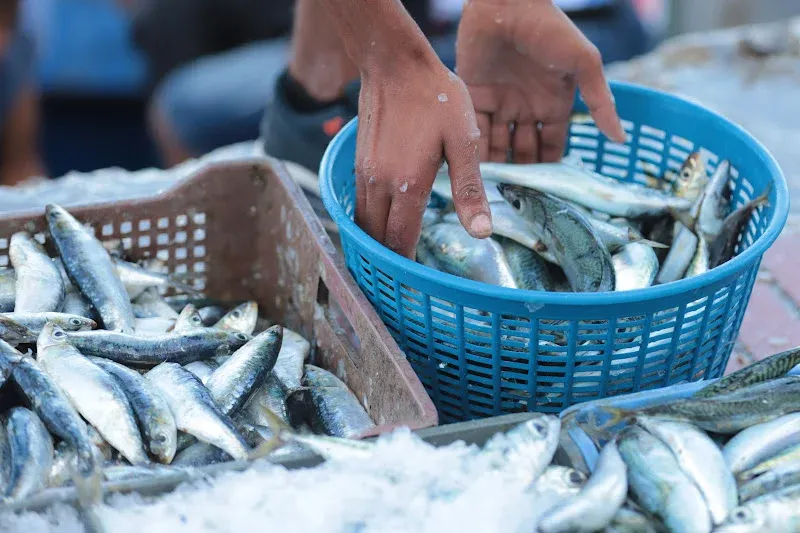
To adapt, many residents have joined the tourism economy. Former factory workers and pensioners rent out rooms, offer guided walks, or sell street food near major attractions. The sardine, a simple Portuguese staple, has become both livelihood and metaphor. On the waterfront, vendors grill sardines for tourists from morning to night, turning survival into performance.
Maria Fernandes, a 67-year-old vendor near Cais do Sodré, summed up the change simply. “I sell sardines because everyone loves them. It pays for my bills. But sometimes I miss when Lisbon was quieter.” Her story echoes thousands of others navigating between nostalgia and necessity. Tourism has created opportunities but also dependence, forcing locals to adjust their identities to serve the flow of visitors.
The Economics of Saturation
Tourism now accounts for roughly fifteen percent of Portugal’s GDP, making it one of the most tourism-dependent economies in Europe. Economists warn that such dependence leaves the country exposed to global volatility. A sudden decline in travel, whether from economic shocks or climate events, could hit Lisbon harder than past recessions.
The influx of visitors has also widened inequality. Property investors and large hotel chains profit from record arrivals, while workers face precarious jobs and stagnant wages. Many service employees earn minimum wage while living in areas they can barely afford. The boom has turned Lisbon into a paradox: a city enriched visitors but increasingly unaffordable for those who call it home.
Government Measures and Limitations
Portugal’s government has promised to restore balance through regulation. New rules limit short-term rental licenses in saturated neighborhoods and increase taxes on vacant properties. The city council has proposed raising the tourist tax to fund public housing and transportation. Officials hope these measures will ease the strain without deterring visitors.
Critics argue that reforms are too mild and enforcement too weak. Real estate developers still enjoy generous incentives, and illegal rentals remain widespread. Activists accuse authorities of prioritizing image over impact. Protests under slogans like “Lisbon is not for sale” have become common. Demonstrators call for rent caps, social housing investment, and stricter limits on Airbnb conversions.
Cultural Transformation
Lisbon’s cultural identity is changing along with its economy. Traditional shops close as rents rise, replaced trendy boutiques and global chains. Neighborhood festivals increasingly cater to tourists rather than residents. Even Fado, once performed in intimate taverns, is now staged for large tour groups. Locals fear that authenticity is being replaced a curated version of Portuguese life designed for outsiders.
Writers and artists have responded with humor and melancholy. The sardine, once a cheerful summer icon, now appears in poems and cartoons as a symbol of endurance. What used to represent community celebration has become an emblem of adaptation. Lisbon’s charm still captivates visitors, but for many residents it feels like a story being told about them rather than them.
A Broader European Pattern
Lisbon’s dilemma mirrors that of other European tourist capitals. Barcelona has restricted new hotels in its center. Venice has introduced visitor fees. Amsterdam is discouraging short weekend trips. Across the continent, cities are grappling with how to welcome visitors without losing their livability. The European Commission recently highlighted Lisbon as a “pressure point” in its report on urban affordability, warning that unchecked tourism can displace residents and distort local economies.
Brussels is urging member states to diversify economic strategies and invest in housing. Yet real solutions must come from city halls, not from distant institutions. For Lisbon, balancing global attention with community stability remains the defining challenge of this decade.
The Human Cost
Behind the statistics lie human choices. Teachers commute from distant suburbs because they cannot afford apartments near schools. Young couples delay having children. Students share overcrowded flats or move abroad. Elderly residents supplement pensions renting out rooms. Everyday routines are now shaped tourism’s rhythm.
Still, there is resilience. Many Lisboetas have turned adaptation into creativity. Community groups organize local markets, cultural events, and neighborhood clean-ups to reclaim spaces from over-tourism. Some new businesses blend authenticity with innovation, proving that coexistence is possible when policy and participation align.
Conclusion
Lisbon’s tourism boom tells a story of triumph and tension. It showcases Portugal’s global appeal but exposes its social vulnerabilities. The city thrives on visitors yet risks losing the residents who sustain its identity. Selling sardines on a busy street may symbolize entrepreneurship, but it also reveals the fragility beneath the postcard image.
If Lisbon wants to remain more than a tourist brand, it must protect its people as fiercely as it promotes its landmarks. Growth without inclusion is not prosperity; it is exhaustion disguised as success. The future of Lisbon depends on restoring balance between the economy of arrivals and the dignity of those who never left.