Introduction
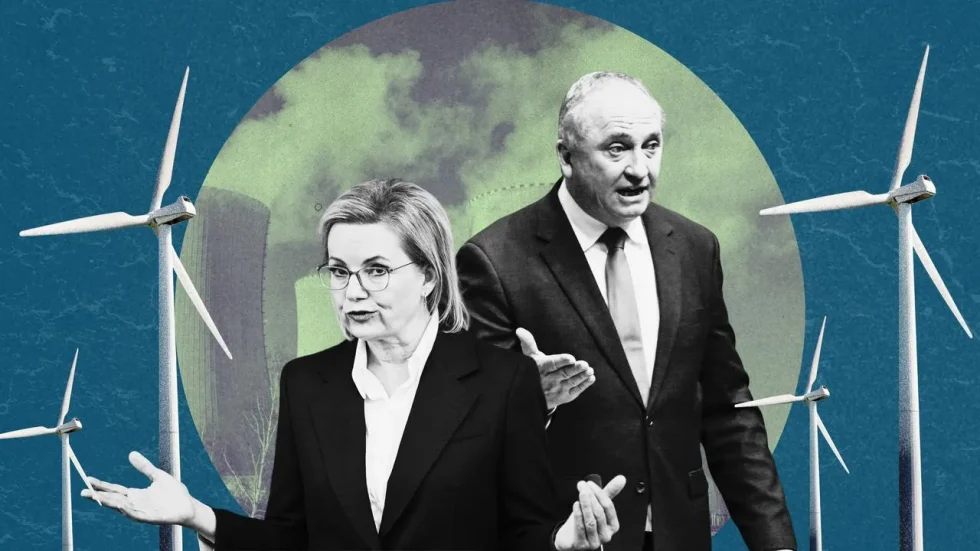
The European Parliament’s most recent debate on the energy transition was supposed to be an orderly discussion about how to fund Europe’s shift to renewable energy. Instead, it turned into a spectacle of shouting, finger-pointing, and viral sound bites. What should have been a policy session became a stage play of clashing egos and competing ideologies. Lawmakers argued over fairness, national responsibility, and who would pay for Europe’s ambitious climate goals. The result was part political meeting, part performance, and entirely emblematic of how the continent’s green ambitions have turned into a drama everyone is watching.
Green Goals, Grey Politics
The European Union wants to reach net zero carbon emissions 2050, a goal that demands enormous financial and social transformation. Yet the latest session proved that unity is harder than ambition. The immediate argument centered on the Energy Transition Fund, a 400 billion euro proposal meant to support countries phasing out fossil fuels. Northern European states demanded stricter accountability to prevent waste, while southern and eastern nations insisted that flexibility was necessary to protect smaller economies.
The tone of the meeting shifted from diplomatic to emotional in minutes. A delegate from Poland accused wealthier nations of trying to “buy moral purity,” while a Spanish representative shot back that solidarity was not a one-way street. The exchange was broadcast live and replayed across social media, where viewers compared it to a reality show. For many citizens, this was the first time they had tuned in to watch EU politics unfold like entertainment.
The Money at Stake
Behind the arguments lies a serious economic dilemma. The energy fund aims to balance support and accountability, but every country defines fairness differently. Germany and the Netherlands argue that taxpayers deserve measurable results for every euro spent. Portugal, Greece, and others counter that their economies cannot transform overnight. They point to existing progress in renewable energy and warn that too much bureaucracy could slow innovation.
Lobbyists have amplified the conflict. Renewable energy companies warn that political delays threaten investment, while oil and gas groups argue that the EU is rushing into unrealistic targets. Environmental organizations accuse both sides of missing the moral urgency of climate change. The Parliament has become the arena where all these voices collide, and clarity is the first casualty.
Politics as Performance
In Brussels, the line between leadership and theater has nearly vanished. Lawmakers interrupt each other mid-sentence. Cameras zoom in on frustrated gestures. Clips circulate online before the session even ends. News outlets turn policy debates into viral moments, complete with commentary and memes. Some MEPs appear to play to the audience, aware that their arguments might trend evening.
Germany and France have revived their old rivalry over nuclear energy. France insists it should be recognized as green technology, while Germany’s delegation continues to oppose it after shutting down its own nuclear plants. Southern nations like Portugal and Spain focus on solar energy and grid expansion. Central Europe worries about losing jobs in coal and heavy industry. The ideological tension feels less like disagreement and more like a continental identity crisis.
The Economic Balancing Act
Europe’s economy looms behind every decision. Energy costs remain high, growth is weak, and industries are struggling to stay competitive. Manufacturing output has fallen across several member states, while inflation has strained household budgets. Governments face pressure to protect jobs even as they pursue climate goals. For some, the transition feels less like progress and more like risk.
Still, progress continues. Renewable energy projects are expanding rapidly in Spain, Portugal, and the Netherlands. Wind and solar generation now account for record shares of national energy mixes. New jobs in clean technology are offsetting losses in older industries. The challenge is ensuring that this success becomes continental rather than regional. Without coordination, Europe risks creating winners and losers in its own climate race.
The Media Circus
Public fascination with the energy debate has grown to the point of obsession. News programs air highlights of parliamentary arguments. Comedians parody lawmakers’ outbursts. Online users create weekly “episodes” summarizing the latest conflicts. What might once have embarrassed Brussels has instead drawn new attention to European politics. Citizens who never cared about legislative procedure now watch debates as if following a favorite series.
Activist groups see opportunity in the chaos. Environmental advocates use viral clips to explain policy failures and mobilize supporters. Social media has turned policy literacy into a new form of participation. Humor may have replaced trust, but it has also sparked curiosity. The more people laugh at Brussels, the more they seem to understand what is at stake.
Portugal’s Measured Approach
Portugal’s representatives have avoided the spotlight, choosing diplomacy over drama. Lisbon supports the EU’s climate goals but insists on flexibility for smaller economies. The country already produces most of its electricity from renewables and is investing in green hydrogen and offshore wind. Portuguese officials argue that the EU must reward early adopters rather than penalize them with rigid rules.
At home, the conversation is more practical than theatrical. Citizens are proud of the country’s renewable leadership but remain wary of rising costs. Energy bills and housing prices continue to climb, testing public patience. Portugal’s challenge is to remain a model of green transition while reminding Brussels that sustainability must also be affordable.
Brussels Tries to Regain Control
The European Commission now faces the task of rewriting the energy fund proposal. Officials plan to include stricter reporting standards and performance-based funding, hoping to bridge divides. But analysts warn that the problem is no longer just technical. The deeper issue is trust. Too many governments believe others are manipulating the rules for national advantage. The Commission must now act as both referee and storyteller, turning conflict into collaboration before frustration spills into the next election cycle.
Lessons from the Chaos
The turmoil surrounding the EU’s energy debate may look absurd, but it reveals something important. Democracy, even at its loudest, is a sign of engagement. Europe’s struggle to balance urgency, equity, and accountability is messy because it involves real trade-offs. The fact that citizens are watching, laughing, and arguing means that the conversation is alive.
If the EU can channel the passion of its disagreements into policy that works, it may yet transform noise into progress. But if the theatrics continue to overshadow decisions, the Green Deal could stall under the weight of its own expectations.
Conclusion
The European Parliament’s energy debate has become a mirror of Europe itself: passionate, divided, ambitious, and loud. The arguments and viral moments may frustrate policymakers, but they also remind citizens that politics is still human. The continent’s path toward climate neutrality will not be clean or quiet. It will be full of tension, irony, and hard choices.
For now, the chamber remains both stage and battleground. Europe’s lawmakers may not win awards for performance, but the world is watching every scene. The energy transition is still the story of a generation, just one that occasionally forgets it is not supposed to be a soap opera.