Europe’s energy landscape is undergoing a profound shift one that touches markets, technology, public policy and society at large. With winter ahead and supply chains still adjusting, the region is increasingly focused on resilience, innovation and domestic capacity rather than simple imports.
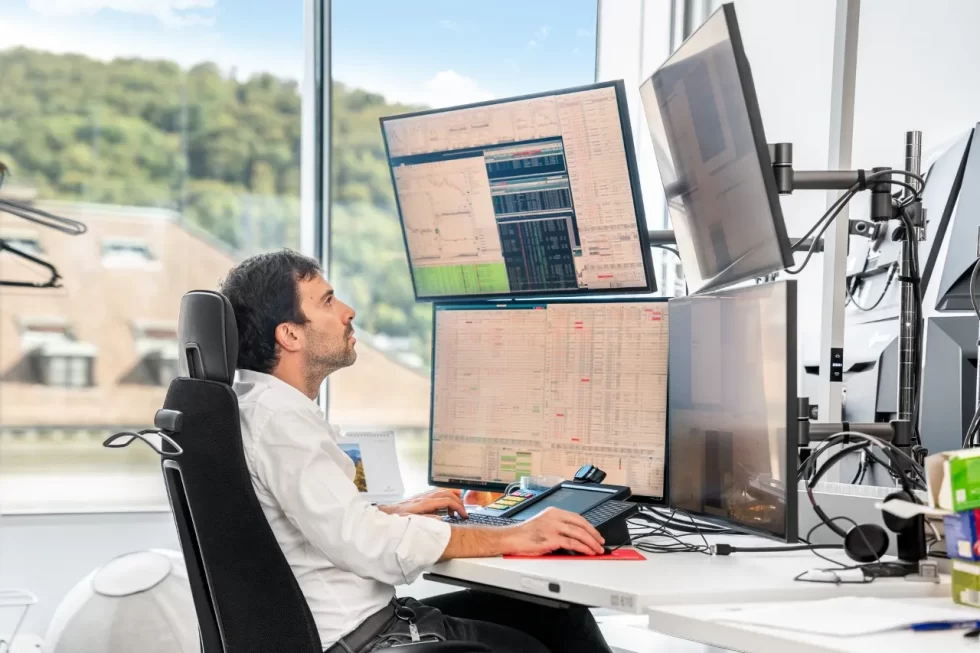
On the market side, gas remains the marginal price setter across much of the European power system, putting pressure on industrial competitiveness and household bills. As the European Central Bank recently pointed out, elevated energy costs are weighing heavily on European companies and consumers something that policy and market actors must address if growth is to be sustained.
In policy terms, the European Commission and national governments are doubling down on the need for energy sovereignty and infrastructure investment. A recent report revealed that the European gas-system hit an 83 % storage level as of 1 October, signalling improved resilience ahead of potential supply disruptions. At the same time, major debates are unfolding about how power markets should be reformed to allow faster renewables deployment, smarter demand response and less exposure to imported fossil fuels.
Technology is playing a growing role in this story. From grid modernisation to investment in hydrogen and offshore renewables, Europe’s firms are racing to catch up. This opens new opportunities for domestic industry but also raises questions about how fast Europe can scale these technologies and integrate them into existing markets.
For society, the implications are real. High energy costs hit households and small businesses hardest, and the transition to cleaner energy must be managed to avoid exacerbating inequalities. Ensuring that low-income households and more vulnerable regions share in the benefits of the clean-energy transition is becoming a central societal challenge.
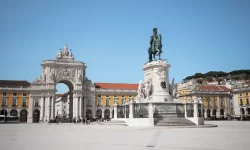
Within this broader European context, Portugal finds itself well-placed to make significant strides. While not always in the headlines when it comes to large-scale energy infrastructure, Portugal’s growing tech-ecosystem and innovation capacity mean it could play a meaningful role in the transition. Whether through renewables, green hydrogen, or cross-border supply networks, Portugal has an opportunity to link into Europe’s wider energy-policy and market transformation.
What should readers watch next? The pace of renewables roll‐out, how policy frameworks adapt for market volatility, and whether Portugal can leverage its strengths in tech and society to make a mark in the new energy economy. Europe is no longer just about securing supply it’s now about building the infrastructure, markets and social foundations for a more resilient, clean and competitive future.