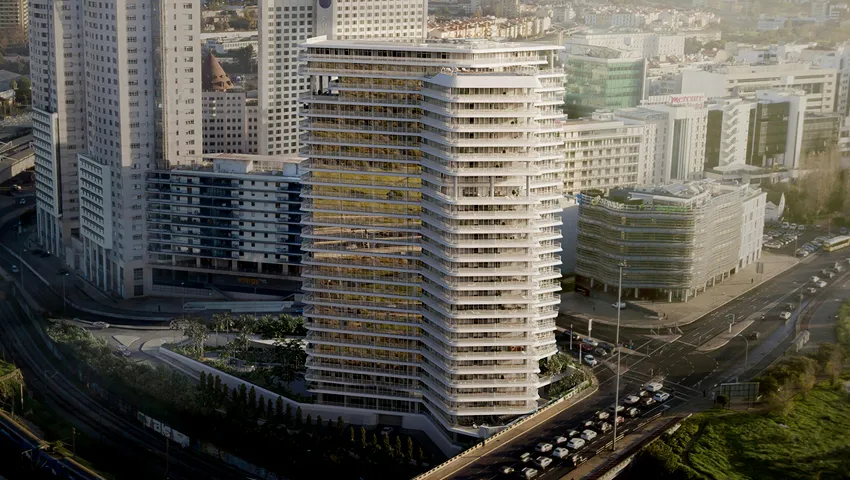
Lisbon is standing at a crucial moment in its housing story. Once praised for its affordability and Mediterranean charm, the city has rapidly transformed into one of Europe’s most competitive and expensive housing markets. The shift is reshaping not only the skyline but also the social and economic character of Portugal’s capital.
Market Momentum
Over the past few years, Lisbon’s property market has been fuelled strong investor interest, growing tourism, and a wave of foreign residents attracted Portugal’s digital and lifestyle appeal. The result has been a dramatic rise in property values, with many central districts now out of reach for average Portuguese households. Demand continues to outstrip supply, pushing developers to focus on premium and short-term rental projects.
While this boom has injected capital into the economy and boosted local construction, it has also exposed deep inequalities in the housing market. Young professionals and families are finding it increasingly difficult to buy or rent in the city centre, leading to population shifts toward suburban and surrounding areas.
Policy & Governance
Policymakers in Lisbon are under increasing pressure to find solutions that balance growth with accessibility. The municipal government has been reviewing its housing strategy, aiming to increase affordable housing supply and limit speculative practices that have driven prices higher. New measures under discussion include incentives for affordable developments, stricter controls on short-term rentals, and the repurposing of underused properties for residential use.
However, challenges remain. The balance between maintaining Lisbon’s appeal to global investors and protecting local residents is delicate. Striking this balance requires coordination between national and local authorities, along with stronger collaboration between public and private sectors.
Tech & Society
Technology is beginning to play a role in easing the housing strain. Startups and urban innovation hubs in Lisbon are experimenting with modular housing, energy-efficient construction, and digital tools for transparent property management. These innovations could help streamline development and reduce costs in the long term.
Yet, at the heart of the issue lies a social question: can Lisbon remain a city for everyone? Rising prices risk pushing out long-time residents and changing the cultural identity of its neighbourhoods. The city’s future depends on whether policy and innovation can align to ensure growth remains inclusive and sustainable.