Ukraine’s lead anti-corruption body says it has exposed a sprawling criminal network operating within the country’s energy sector, alleging that senior figures orchestrated widespread graft through state-owned enterprises. The probe is among the largest of its kind undertaken so far, and it targets strategic assets at a time when war and economic crisis are already placing severe strain on Ukraine’s institutions.
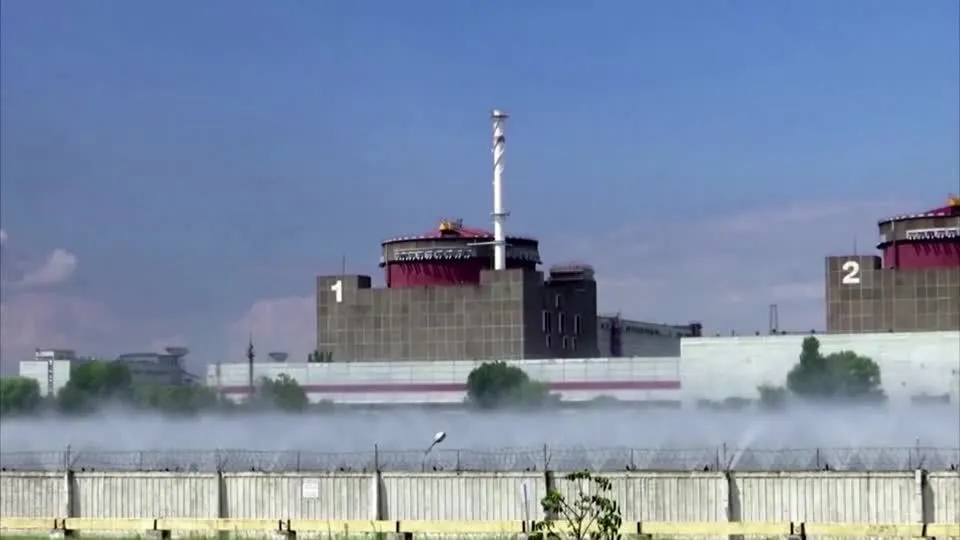
The agency, which has been investigating for over a year, says its teams collected more than one thousand hours of audio recordings over 15 months and documented a criminal organisation that allegedly forced suppliers and contractors to pay kickbacks to secure business with state-owned energy firms. One central focus is the state nuclear power operator, which the agency claims was infiltrated individuals who controlled key procurement decisions and purposely blocked payments unless marked-up fees were paid.
Several properties were raided during the operation, including those linked to a prominent businessman who is a known associate of the Ukrainian president and a senior government minister. The agency says searches uncovered large sums of cash and records tying officials to entities that benefited from contracts with inflated terms, particularly in the energy and utilities sector. At least one former official has fled the country ahead of law-enforcement action.
The timing of the allegations is notable. Ukraine is simultaneously coping with repeated attacks on its energy infrastructure amid the war, and weakening public finances. Donors and western backers have consistently stressed that tackling corruption is key to maintaining overseas support and paving the way for Euro-Atlantic integration. In this context, the investigation is being framed as a test of Kyiv’s willingness and capacity to hold powerful interests to account even during crisis.
For experts, the case raises deep concerns about governance in critical sectors. Energy is foundational for reconstruction, investment and economic resilience meaning that corruption within the system can undermine not just individual contracts but wider national stability. The alleged scheme involving enforced kickbacks of around 10-15% of contract value suggests deep-rooted vulnerabilities in how state assets are managed and how oversight functions during wartime.
Ukraine’s government has publicly affirmed support for the investigation, while emphasising that defeat of corruption remains a key pillar of its reform agenda. However, political tensions are inevitable: some in parliament warn that the probe could entangle senior officials and business figures with long-standing ties to power. How the government handles the fallout may affect confidence among investors, aid providers and citizens alike.
As the investigation progresses, all eyes will be on whether the authorities can translate allegations into prosecutions and tangible reforms. The broader challenge is clear: ensuring that wartime pressures do not excuse lax governance or put reform efforts on hold. At a moment when Ukraine’s future depends on rebuilding and transparency, the outcome of this case could be a benchmark for how the country balances urgent priorities with long-term rule-of-law commitments.