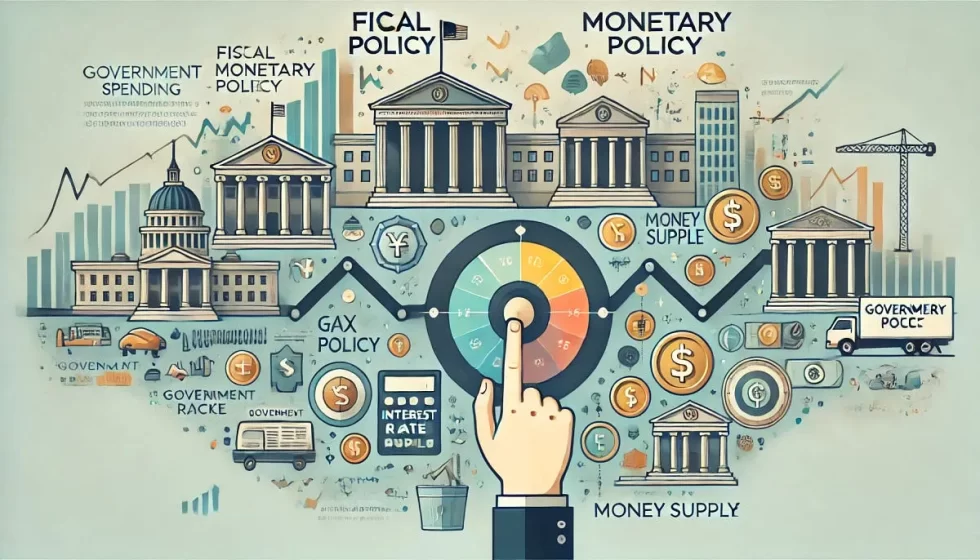
Economic and taxation policy sits at the heart of every government’s effort to promote growth, create jobs, and secure long-term prosperity. The structure of taxes, public spending, and fiscal incentives shapes how businesses invest, how households spend, and how efficiently resources are distributed across the economy. Getting that balance right is one of the most persistent challenges in economic management especially in an era defined inflation pressures, technological disruption, and shifting global trade patterns.
A well-designed tax system can encourage productivity and innovation rewarding work, investment, and entrepreneurship. Lower taxes on business income or research spending, for example, can spur investment in new technologies and job creation. At the same time, progressive income taxation ensures that growth is inclusive, redistributing wealth and maintaining social stability. The key lies in maintaining incentives for enterprise while funding essential public services such as education, healthcare, and infrastructure the foundations of a skilled workforce and competitive economy.
Recent global trends show how fiscal choices influence growth dynamics. Countries that have implemented targeted tax credits for renewable energy, manufacturing, and digital industries have seen faster innovation and stronger employment growth. Conversely, heavy tax burdens and unpredictable policy shifts can deter investment and slow expansion, particularly for small and medium-sized enterprises that rely on consistent regulatory conditions.
Tax policy also plays a major role in shaping labor markets. When payroll taxes are high or complex, employers may hesitate to hire, leading to slower job creation. Simplifying tax codes and reducing compliance costs can make it easier for businesses to expand and formalize employment. Similarly, aligning tax incentives with job training and education programs can bridge skills gaps and prepare workers for evolving industries.
However, fiscal responsibility remains critical. Excessive tax cuts without offsetting measures can widen budget deficits and fuel inflation, undermining long-term prosperity. Sustainable growth requires balanced budgets and efficient spending, ensuring that public debt remains manageable even in times of economic uncertainty.
Ultimately, economic and taxation policies must strike a balance between immediate stimulus and structural reform. Governments that foster a fair, predictable, and innovation-driven tax environment tend to experience stronger and more resilient growth. Sound fiscal policy is not just about collecting revenue it is about building confidence, supporting opportunity, and laying the groundwork for a more prosperous and equitable society.