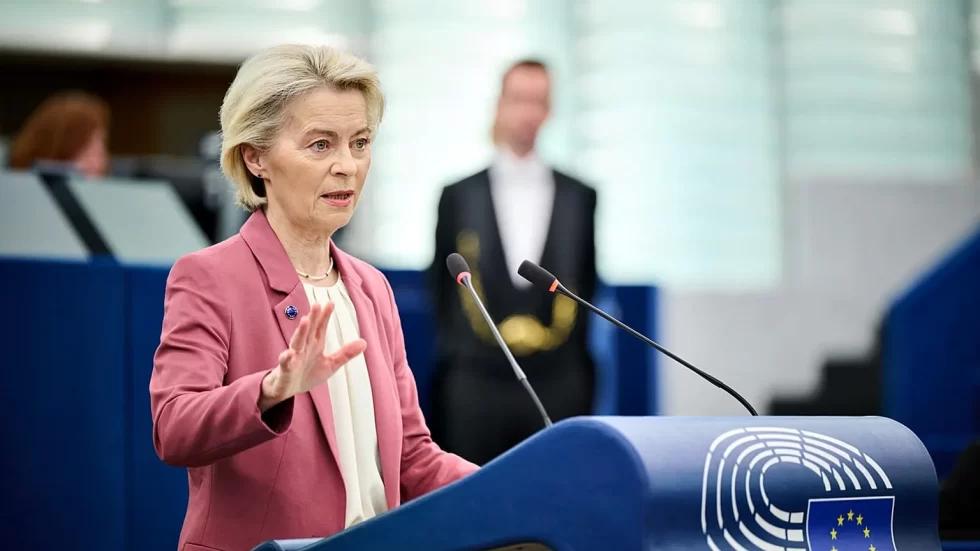
The European Union’s multiannual budget continues to shape the pace of reform and recovery across Southern Europe. For countries like Portugal Spain and Greece these funds serve as more than financial instruments they are mechanisms of transformation that define long-term competitiveness and social stability. The latest budget cycle emphasizes resilience sustainability and digital transition all areas where Portugal has been particularly proactive. Lisbon’s policymakers have aligned national reforms with EU investment priorities ensuring that every euro of structural funding contributes to modernization rather than maintenance.
Portugal’s Role in EU Fiscal Planning
Portugal’s Ministry of Finance plays a strategic role in shaping budget negotiations within the European Council. The nation advocates for balanced spending that supports small and medium enterprises digital infrastructure and green transformation. Lisbon’s collaborative diplomacy within the EU fiscal committees reflects its pragmatic approach to achieving growth through solidarity. Portuguese officials emphasize accountability transparency and long-term planning in how funds are allocated. This fiscal discipline has helped the country maintain credibility after the austerity measures that followed the 2008 financial crisis.
The Recovery and Resilience Facility
The Recovery and Resilience Facility remains one of the most significant policy tools for EU member states seeking economic transformation. Portugal has been a major beneficiary of this initiative channeling billions of euros into sustainable transport education digitalization and public health. The country’s recovery plan known as PRR outlines specific milestones to modernize energy grids expand broadband coverage and upgrade education systems. Unlike previous funding programs the PRR ties disbursements to measurable outcomes ensuring that reforms deliver tangible results. This outcome-oriented model has become a blueprint for future European funding cycles.
Fiscal Responsibility and Reform Implementation
Southern Europe’s economic narrative has long been shaped debates around fiscal responsibility and reform capacity. Portugal’s recent record demonstrates that both goals can coexist. Through careful budget management and targeted investment the government has reduced deficits while supporting growth in renewable energy and technology. The integration of EU funding into domestic development strategies has allowed Lisbon to maintain financial stability without stifling innovation. This pragmatic balance contrasts with earlier eras when fiscal consolidation often came at the expense of social investment.
Cooperation with Southern European Partners
Portugal’s collaboration with Spain Italy and Greece underlines a shared vision for Southern Europe’s economic renewal. Regular summits between finance ministers and regional working groups have created frameworks for joint initiatives in energy infrastructure tourism and digital regulation. The Iberian partnership between Lisbon and Madrid in particular has strengthened both countries’ negotiating power within the EU. Together they advocate for policies that address regional disparities and enhance the competitiveness of Mediterranean economies. This cooperative spirit is reshaping perceptions of Southern Europe as a zone of innovation rather than vulnerability.
Investing in Human Capital and Innovation
A central focus of EU-backed reforms is human capital development. Portugal has invested heavily in digital literacy and vocational training programs designed to prepare the workforce for an AI-driven economy. Funding for research and development has expanded through partnerships between universities and private industry. Lisbon’s emphasis on education reform reflects an understanding that structural funds should not only build infrastructure but also strengthen intellectual capacity. These long-term investments are cultivating a generation of Portuguese professionals equipped to lead Europe’s next wave of innovation.
Social Cohesion and Inclusive Growth
Reform efforts in Portugal also prioritize social cohesion ensuring that economic transformation benefits all citizens. Public programs supported EU funds target healthcare accessibility affordable housing and regional employment. The social dimension of reform reinforces the European ideal that prosperity must be inclusive. Lisbon’s urban regeneration initiatives illustrate how EU investment can improve quality of life while promoting environmental sustainability. These outcomes build trust between citizens and institutions strengthening democracy across Southern Europe.
Europe’s New Chapter of Southern Renewal
The European budget has evolved from a financial ledger into a roadmap for collective progress. For Southern Europe it represents an opportunity to redefine its role within the Union. Portugal’s disciplined fiscal management innovative public policies and commitment to social inclusion have positioned it as a model of responsible reform. The country’s experience shows that EU integration can be both aspirational and practical blending solidarity with self-sufficiency. As Lisbon continues to implement its reform agenda it contributes to a broader European narrative of renewal proving that resilience can become a shared strength when policy vision and fiscal prudence align.