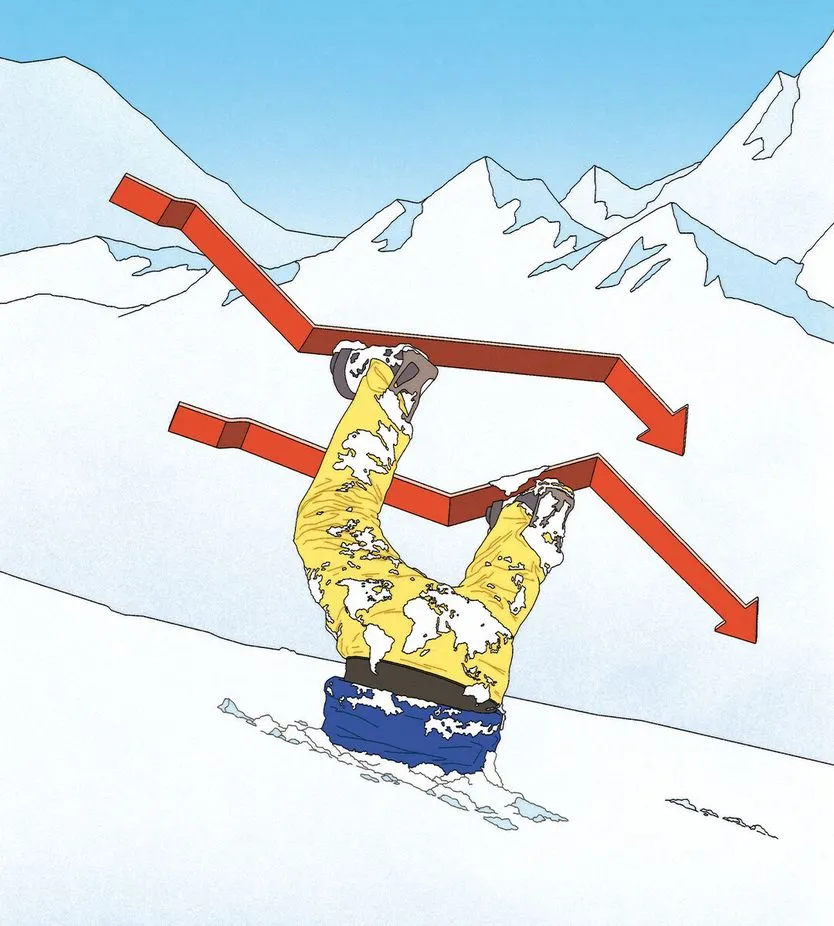
Financial markets can support global growth, but under the wrong conditions they can also help trigger serious economic problems. When prices, debt and risk-taking all move in the same dangerous direction, small shocks can turn into global crises. Here is how that can happen, step step, in simple terms.
First, markets can create bubbles. This happens when investors push prices far above what assets are really worth, often out of fear of missing out. You see this in tech stocks, housing or even meme coins. As long as prices keep rising, everyone feels richer and keeps taking more risk. The danger is that the whole system rests on confidence instead of solid value.
Second, bubbles become more dangerous when they are built on leverage, which is borrowed money. Banks, funds and even households sometimes use debt to buy more assets than they could afford with cash alone. This works well when prices go up. But when prices fall, losses are multiplied. People are forced to sell quickly to pay back loans, which pushes prices down even more.
Third, financial markets are deeply connected across borders. Banks lend to each other, funds own bonds from many countries and derivatives link prices in complex ways. If one big institution or market fails, others can be hit through these connections. This is called contagion. A problem that starts in one country’s housing market or bond market can spread to banks, then to global credit and trade.
Fourth, a crisis can turn into a liquidity crunch. Liquidity means how easy it is to buy or sell something without moving the price too much. In a panic, everyone wants to sell and almost no one wants to buy. Even good assets can drop sharply in price because investors just want cash. When liquidity disappears, markets stop functioning smoothly and trust collapses.
Fifth, shadow banking and complex products can make things worse. These are financial activities that act like banking but do not sit inside traditional, tightly regulated banks. Think of money market funds, hedge funds or complex derivatives. When stress hits, investors may rush to pull money out. Since these parts of the system are less transparent, risks can build up unnoticed and then explode suddenly.
Sixth, market turmoil can spill into the real economy. When credit dries up, businesses struggle to get loans, trade slows and companies cut investment or jobs. Households feel poorer as asset prices fall and become more careful with spending. This shift can turn a market crash into a recession, and if severe enough, into a global downturn.
Finally, policy mistakes can amplify the damage. If central banks or governments react too slowly, or send confusing signals, they can worsen panic instead of calming it. On the other hand, well-timed support, clear communication and strong regulation can limit the damage and restore confidence.
The key idea is this: markets can topple the global economy when bubbles, leverage, hidden risks and panic all combine at the same time. That is why regulators focus on stress tests, capital rules and transparency. No system is perfect, but understanding these mechanisms helps people, institutions and governments spot dangers earlier and respond more effectively.