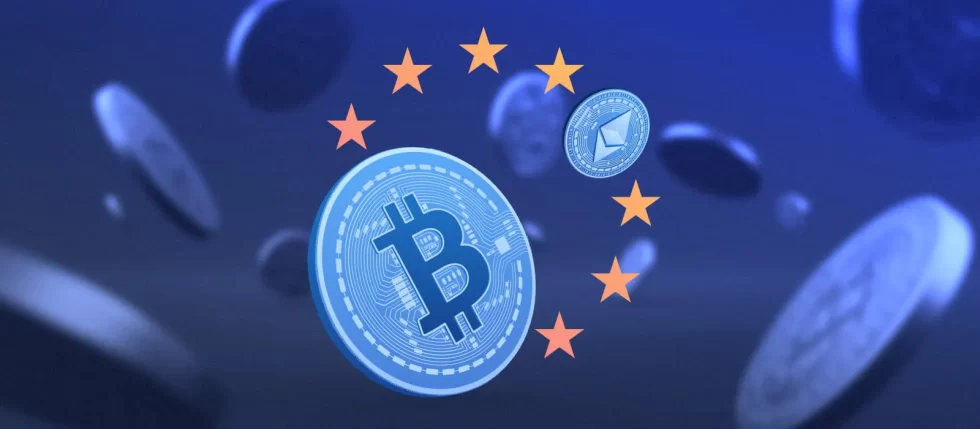
Europe is redefining the future of digital finance as new crypto regulations reshape how exchanges, investors, fintech firms and banks interact with digital assets. The EU’s landmark frameworks, led the Markets in Crypto Assets regulation, reflect a broader strategy to create a secure, transparent and innovation friendly environment. As global markets evolve, Europe aims to position itself as a stable and trustworthy hub for digital finance while balancing investor protection with technological progress. This moment marks a turning point for the continent, where regulation becomes a catalyst for competitiveness rather than a barrier to growth.
The EU Introduces a Clear Framework to Stabilize and Professionalize Crypto Markets
The European Union is taking a structured and comprehensive approach to regulating the crypto industry. The regulatory framework sets rules for stablecoin issuers, defines licensing standards for crypto service providers and requires transparent disclosures that protect consumers. This clarity brings order to a sector long shaped volatility and uneven oversight.
European crypto companies now face stricter requirements around capital reserves, cybersecurity, risk management and transparency. While these rules require significant operational upgrades, they also increase trust in Europe’s digital finance ecosystem. International firms see the EU as a predictable regulatory environment, which strengthens the continent’s ability to attract high quality investment and institutional participation.
Digital Finance Firms Adapt as Regulation Fuels Innovation and Long Term Confidence
As the regulatory environment matures, fintech companies and digital asset platforms are adjusting their business models to stay compliant. Many firms are building stronger internal controls, upgrading custody systems and developing products that meet European standards for accountability and security. This shift encourages the development of safer digital wallets, regulated tokens, compliant trading platforms and more transparent financial products.
The EU’s structured approach also supports innovation. Startups gain clarity on how to operate legally from day one, reducing uncertainty that often slows growth in unregulated markets. Larger institutions, including banks, are increasingly comfortable exploring blockchain based services, tokenized assets and cross border digital payments. Regulation, rather than slowing development, is accelerating Europe’s ability to shape the next generation of financial services.
Public Institutions and Traditional Banks Embrace Blockchain and Tokenization
Europe’s traditional financial institutions are becoming more active in digital finance as regulatory clarity opens new pathways. Banks and asset managers are exploring tokenized securities, blockchain based settlement tools and instant cross border transfers. Public institutions also support research networks that explore how blockchain can improve transparency and efficiency in areas such as supply chain management, renewable energy markets and public administration.
The EU’s upcoming digital euro project adds another layer to this transformation. The integration of programmable finance, digital identity frameworks and secure payment rails could reshape how consumers and businesses transact. Together, these initiatives move Europe toward a more modern financial architecture that blends traditional oversight with cutting edge technological capabilities.
Conclusion
EU crypto regulation is reshaping the digital finance landscape in ways that strengthen trust, encourage innovation and enhance long term stability. As exchanges, fintech companies and traditional banks adapt to new standards, Europe emerges as a leader in responsible digital asset governance. The continent’s regulatory clarity supports investor confidence, attracts global participation and accelerates the development of technologies that will define the future of finance. With a steadily evolving framework and a commitment to both protection and growth, the EU is building a digital financial ecosystem that reflects its values of transparency, safety and sustainable innovation.