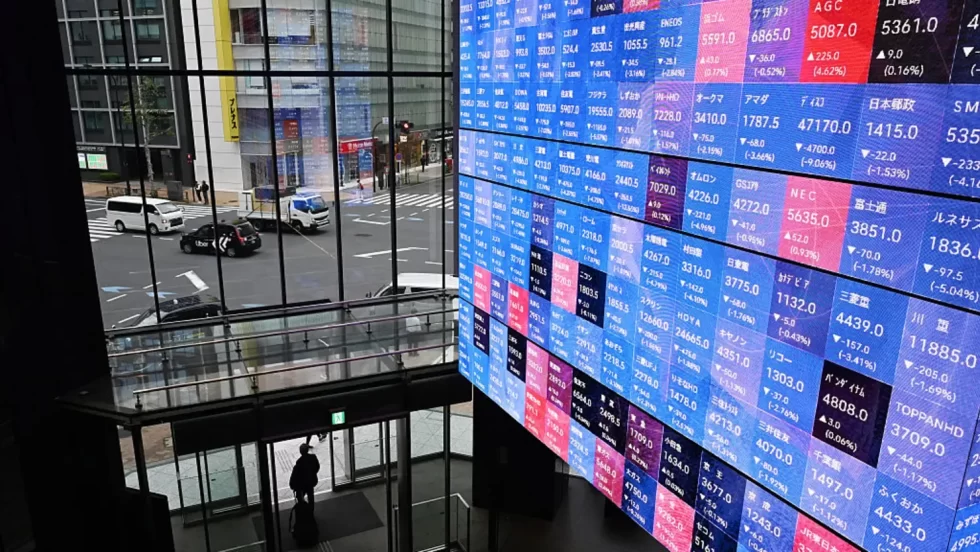
Asia Pacific markets opened the week on uneven footing as investors reacted to rising geopolitical tensions between China and Japan. The region saw cautious trading with several indices moving sideways while others slipped into negative territory. Market sentiment remained fragile as concerns over diplomatic strain added to existing economic uncertainties.
Japan’s equity markets reflected immediate pressure. Investors showed hesitation as discussions around maritime disputes and military posturing resurfaced. Although domestic economic data offered some stability, geopolitical anxieties overshadowed much of the early trading session. Analysts noted that risk sensitive sectors saw the sharpest declines.
China’s markets showed a more mixed performance. While technology and consumer driven stocks demonstrated resilience, broader confidence was weakened concerns about potential diplomatic fallout. Traders monitored statements from both governments as expectations grew that tensions could influence trade and regional cooperation. The uncertainty kept overall gains limited.
Across Southeast Asia, markets followed the cautious tone. Countries with strong trade links to China and Japan felt the impact most directly. Investors feared the dispute could spill over into supply chains, manufacturing output and export flows. Some indices attempted small rebounds, but momentum faded as the session progressed.
Currency markets also reacted to the geopolitical shift. The yen experienced modest volatility as traders weighed safe haven demand against regional risks. Meanwhile, the yuan remained steady but sensitive to news flow. Analysts expected currency fluctuations to continue as the situation evolves.
Investors across the Asia Pacific region are increasingly factoring geopolitical tensions into their short term strategies. Many are avoiding aggressive positions until clarity emerges from diplomatic channels. Market watchers say this hesitation mirrors global concerns about political stability and economic resilience.
Economic fundamentals across the region remain varied. Some economies continue to benefit from strong domestic spending, while others face pressure from weak exports and tightening financial conditions. The added layer of political tension complicates forecasting and increases the likelihood of volatility. Investors are now positioning defensively in anticipation of further developments.
Regional policymakers are urging calm as they monitor the situation. Calls for dialogue and continued cooperation highlight the importance of stability in one of the world’s most interconnected economic zones. Any escalation could ripple through energy markets, manufacturing networks and trade routes.
As the week progresses, the focus will remain firmly on diplomatic signals from Beijing and Tokyo. Markets are poised to react quickly to any signs of easing or escalation. For now, Asia Pacific trading reflects a delicate balance between resilience and caution as investors navigate a shifting geopolitical landscape.