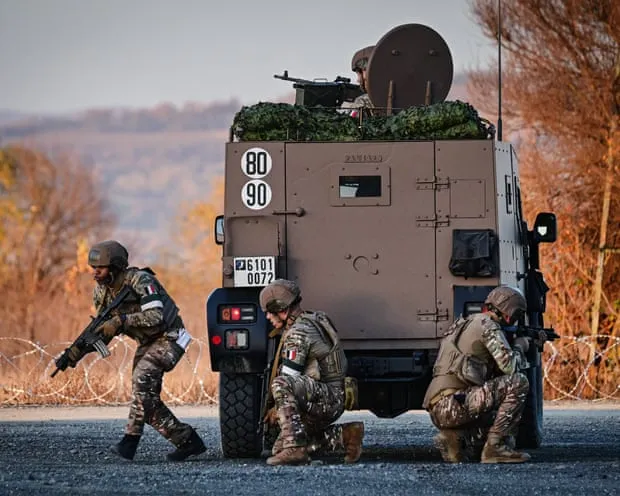
The European Union has introduced a new plan aimed at improving the mobility of armed forces across the continent. The initiative is designed to strengthen the bloc’s security framework and ensure faster movement of personnel and equipment during emergencies or collective defense operations.
EU officials say the strategy focuses on removing existing logistical barriers that slow down cross border military travel. Many routes still face delays due to customs procedures, infrastructure limitations and national regulations that were never built with rapid military coordination in mind.
The plan outlines upgrades to roads, bridges and key transport corridors that need reinforcement to support heavy military vehicles. It also seeks to harmonize permits, clearance processes and digital documentation to ensure that member states can move forces efficiently when needed.
European leaders highlight that the initiative is not about creating new military obligations. Instead, it is intended to ensure that the EU can respond more effectively to crises, humanitarian missions and joint defense exercises. Officials argue that smoother mobility enhances deterrence and cooperation while supporting NATO partnerships.
Security analysts note that recent geopolitical tensions have increased the urgency of this effort. Faster coordination across borders is viewed as essential for ensuring Europe can act decisively in moments of heightened risk or instability.
Funding for the mobility framework will come from existing EU programs that support infrastructure and security goals. Member states are expected to collaborate closely with transport agencies, defense ministries and logistical experts to align their national systems with the new standards.
The initiative has been well received most governments, though some have raised concerns about costs and administrative adjustments. EU representatives say these challenges will be addressed through phased implementation and shared planning.
Beyond security, the upgrades are also expected to benefit civilian transport networks. Many of the roads and railways targeted for improvement serve as essential links for regional economies and trade routes.
As the EU moves forward with this strategy, the focus will be on balancing security needs with economic priorities. The coordinated approach marks a significant step in modernizing Europe’s defense readiness and building a more interconnected and resilient Union.
With member states preparing to begin the next phase of work, the coming years will determine how effectively Europe can translate this plan into a stronger and more agile security landscape.