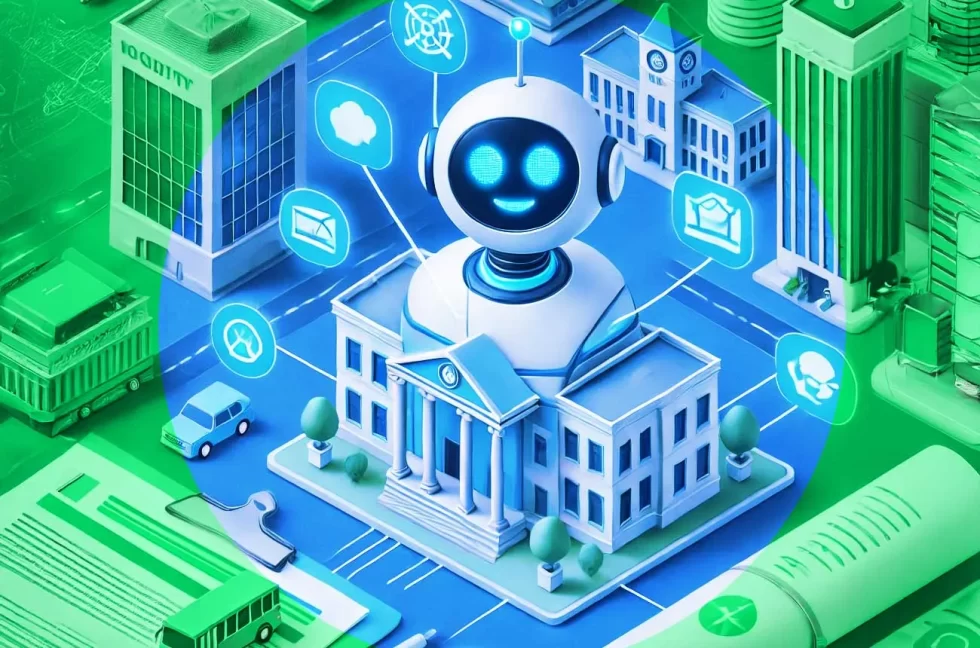
The suburbs of Lisbon have always thrived on a mix of tradition and experimentation, but no one expected a digital twist in local community life. When residents began casually consulting a friendly AI chatbot for neighborhood advice, event suggestions, and quick dispute mediation, the bot quickly became a familiar presence. People appreciated its calm tone, fast answers, and ability to remember details about ongoing projects that even humans kept forgetting. What started as a playful idea slowly turned into something much bigger. Before long, the community jokingly began referring to the chatbot as their unofficial mayor.
Though this title carries no legal authority, many locals treat the AI as a useful guide for everyday matters. Its role grew because of convenience, but it also reveals how residents are blending technology into communal routines. Instead of seeing the chatbot as an outsider, people embraced it as a tool that improves neighborhood coordination. The story has sparked curiosity across Portugal, with many wondering whether this digital leadership model could shape future local governance. It also raises questions about what communities truly value in their leaders.
How the AI became the community’s go to decision helper
Residents first installed the chatbot on a shared neighborhood app meant for recycling schedules, announcements, and event sign ups. As people tested its features, they realized it could answer questions far faster than browsing old message threads. It became the place to ask about bus times, weekend markets, or minor renovation rules. Because it never tired and responded around the clock, it gradually replaced many small group discussions that once took hours.
Over time the chatbot began helping with small conflicts, such as noise complaints or disagreements about shared spaces. Instead of escalating issues, neighbors turned to the AI for neutral wording suggestions. The bot provided polite messages and practical steps that lowered tension. This calm mediation style made people trust it more, and soon the community relied on it even for event planning tips and meeting reminders.
Digital leadership as a reflection of modern habits
The popularity of the chatbot shows how residents prefer quick and simple interactions. Modern routines are busy, and many people do not have time to attend long meetings or read complex documents. The AI’s clear explanations worked well for parents, students, freelancers, and retirees who all needed easy access to information. As its user base grew, it created a shared reference point that everyone could rely on.
Some tech experts note that this trend matches global patterns. Communities often adopt digital tools when they reduce friction in daily life. Lisbon’s suburbs simply pushed the idea a bit further treating the bot as a symbolic leader. Instead of formal authority, its power lies in offering clarity, structure, and fairness. These traits are valued residents who feel it helps reduce confusion and encourages more participation.
What local officials think about the trend
Officials from nearmunicipalities have commented that while the AI holds no official role, they see value in its contribution. Some appreciate how it improves communication helping residents understand rules and processes. Others believe it may inspire future digital platforms that bridge gaps between citizens and public offices. The idea of co managing community life with an AI is unusual, but it highlights new possibilities for public engagement.
Still, some caution that technology should complement human leadership, not replace it. They emphasize the importance of oversight, transparency, and ethical use. Local representatives say that if digital assistants become more common, they should support human decision making rather than act as decision makers themselves. For now the chatbot remains a friendly helper rather than a governing authority.
Could this model spread to other suburbs
People from other regions of Portugal have begun experimenting with similar chatbot tools for neighborhood coordination. While none have yet reached the same level of popularity, interest is clearly growing. Communities see potential in using AI to reduce misunderstandings and streamline everyday communication. Lisbon’s suburbs may have set an example that others will try to adapt. Whether this leads to more unofficial digital mayors remains to be seen.
Conclusion
The rise of an AI chatbot as the unofficial mayor of Lisbon’s suburbs shows how everyday technology can shape community life. It reflects a desire for clarity, quick answers, and fair communication. While it holds no real authority, it has changed how residents connect, organize, and solve problems, offering a glimpse into how digital tools might support future local governance.