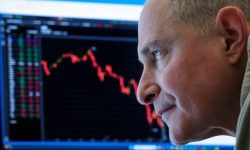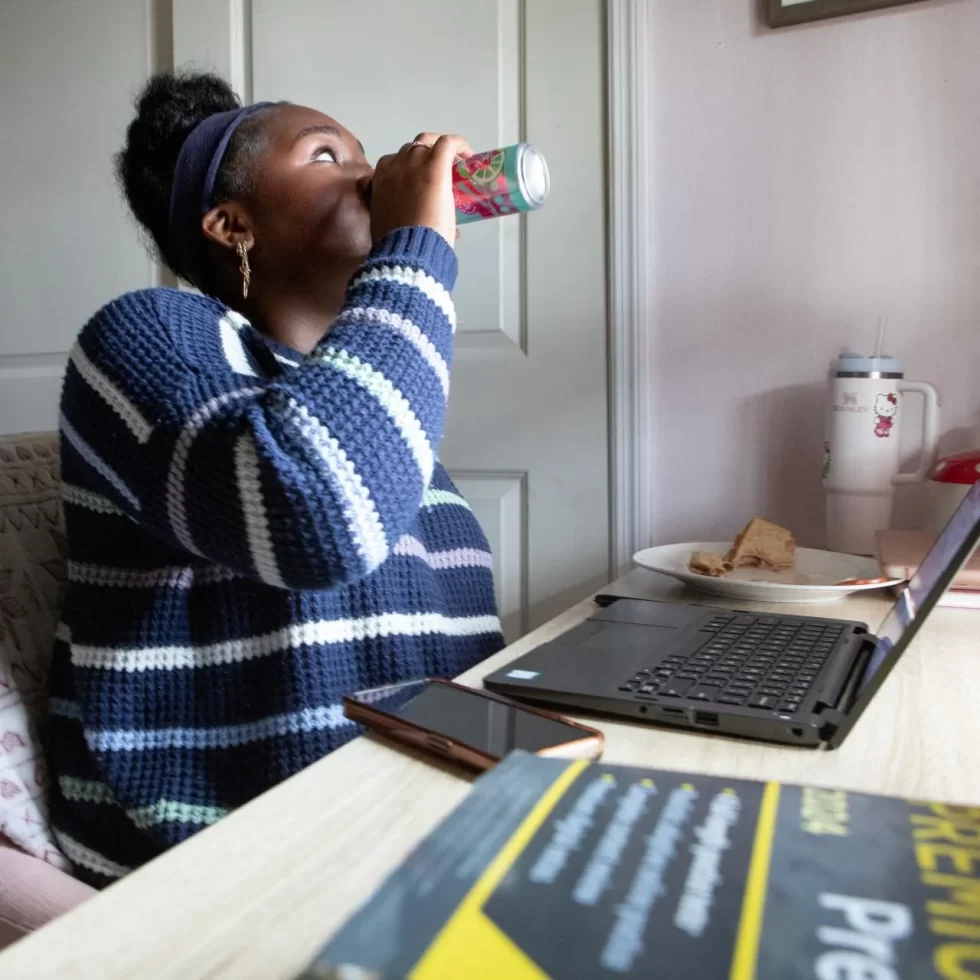
Global trading desks are reporting an unexpected slowdown as a shortage of popular energy drinks sweeps through major financial hubs. Traders who rely on a steady stream of caffeine to push through long hours are suddenly finding themselves forced to work without their usual boost. While the shortage began as a quiet supply hiccup, it has quickly grown into a surprising market-wide disruption.
Many desks are now scrambling to adapt as productivity dips and trading floors feel noticeably calmer. The issue has also raised questions about how much financial markets depend on caffeine culture to sustain fast-paced operations. Some firms are even implementing temporary wellness measures to compensate for the sudden lack of high-octane beverages.
How the shortage started and why it hit traders hardest
The supply issues began with production delays in several plants that manufacture high-caffeine beverages. Weather-related disruptions, ingredient shortages, and transport delays created a chain reaction. Most consumers felt mild inconvenience, but trading desks operate in an environment where minutes matter, and caffeine is practically a core tool of the job. As soon as shipments thinned, traders felt the difference in energy levels and reaction speed. Firms that usually stock fridges with cases of energy drinks suddenly saw empty shelves, and restocking became unpredictable. Since traders depend on these drinks to stay alert during volatile sessions, the shortage quickly became a serious discussion point in financial circles.
Calmer trading floors and slower reaction times
Market observers immediately noticed a shift in behaviour across several trading hubs. Floors that were usually filled with rapid chatter became quieter as fatigue set in earlier in the day. Some desks reported slower responses to breaking news and price movements. While markets did not grind to a halt, certain high-pressure segments like derivatives and currency trading experienced dips in activity. Senior managers acknowledged that traders were taking more short breaks to compensate for the lack of their usual energy boost. In a profession built on speed and split-second decisions, even small changes in alertness can influence outcomes.
Firms turn to alternatives and wellness hacks
With no quick fix in sight, many firms have started experimenting with new approaches. Some introduced healthier substitutes like fruit smoothies, iced tea, and vitamin drinks. Others brought in wellness advisors to promote breathing exercises and short movement breaks to keep teams energized. A few tech-driven desks even tested alertness apps that track fatigue and recommend quick mental resets. While these approaches do not fully replace the instant jolt of an energy drink, they have helped maintain some level of focus during peak hours. Several firms reported that the shortage forced them to rethink their reliance on high-caffeine drinks and explore long-term well-being strategies.
Could this spark a shift in trading culture
The shortage has also opened debate about the intense lifestyle of trading roles. Long hours, pressure from constant market movements, and reliance on instant energy sources have long been part of the job. Some analysts suggest that the current situation could inspire firms to reexamine the culture that prioritizes speed over wellness. A small but growing number of trading desks are experimenting with flexible rotations, mandatory breaks, and improved workplace nutrition. Whether the shortage leads to lasting change remains uncertain, but the conversation has clearly started. Many young traders have welcomed the shift, hoping it leads to a healthier rhythm in a traditionally high-stress environment.
Conclusion
The global energy drink shortage has done more than disrupt beverage supplies; it has exposed how deeply caffeine culture runs within financial trading. As firms adapt and explore alternatives, the shortage might serve as a turning point that encourages healthier approaches across trading floors. Whether temporary or transformative, the episode has already reshaped routines and sparked conversations well beyond the drink aisles.