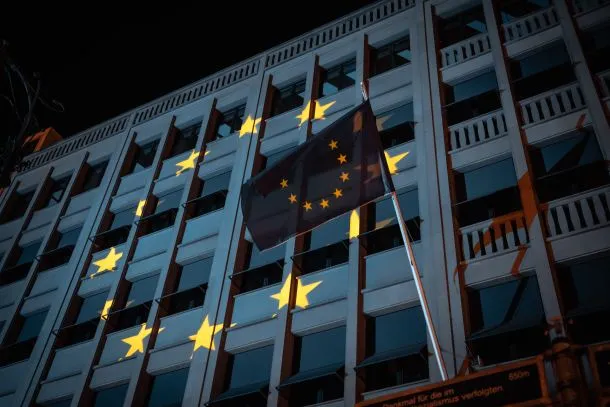
The European Commission has unveiled its November infringements package which highlights critical energy-related compliance issues across the EU. Several Member States face formal notices for failing to align national laws with EU energy and climate obligations. These actions reflect the Commission’s push to ensure the Energy Union and climate targets remain on track ahead of 2030.
One priority area cited in the package is the failure countries to submit updated National Energy and Climate Plans (NECPs). The NECPs set out each country’s roadmap for greenhouse-gas reductions, increased renewables and energy efficiency improvements. Missing deadlines or incomplete submissions trigger formal proceedings and may escalate to further legal enforcement.
Another focus of the package is the transposition of EU rules promoting renewable energy and new energy-efficiency measures. Member States lagging behind on implementing the Renewable Energy Directive or the Energy Efficiency Directive have been sent reasoned opinions or letters of formal notice. The Commission emphasises that without full transposition the EU’s overall targets become harder to meet.
In particular the Commission has flagged a number of countries for non-compliance under the governance regulation of the Energy Union. These include infractions such as missing submission of national plans, incomplete reporting or failure to establish required mechanisms like one-stop shops for energy efficiency. The objective is to strengthen legal certainty and ensure all Member States contribute fully to the collective energy and climate goals.
For the energy market, these infringement findings carry implications for legal risk, investment flows and regulatory alignment. Utilities, investors and public authorities will be watching which countries are called out and how swiftly they respond. Delays or weak responses may lead to penalties or referrals to the Court of Justice of the European Union which can impose financial sanctions.
The Commission’s intervention also sends a signal that the energy transition will not be delayed simply national inertia. Legal oversight now forms a key element of keeping the transformation on schedule. For Member States this means that political will, legislative follow-through and administrative action must now converge.
Portugal and other countries cited in the package face the challenge of closing compliance gaps rapidly while also advancing ambitious energy reform. Portugal’s energy and climate strategies will be under greater scrutiny as the country engages with the governance framework and EU law. The broader lesson is that the journey to a clean, efficient, and secure energy system in Europe requires both investment and strict adherence to the rulebook.
In sum, the November infringements package confirms that the European Commission is stepping up enforcement in the energy domain. With deadlines looming and legal frameworks tightening, the race is on for Member States to meet obligations and align with the EU’s energy-and-climate ambitions.