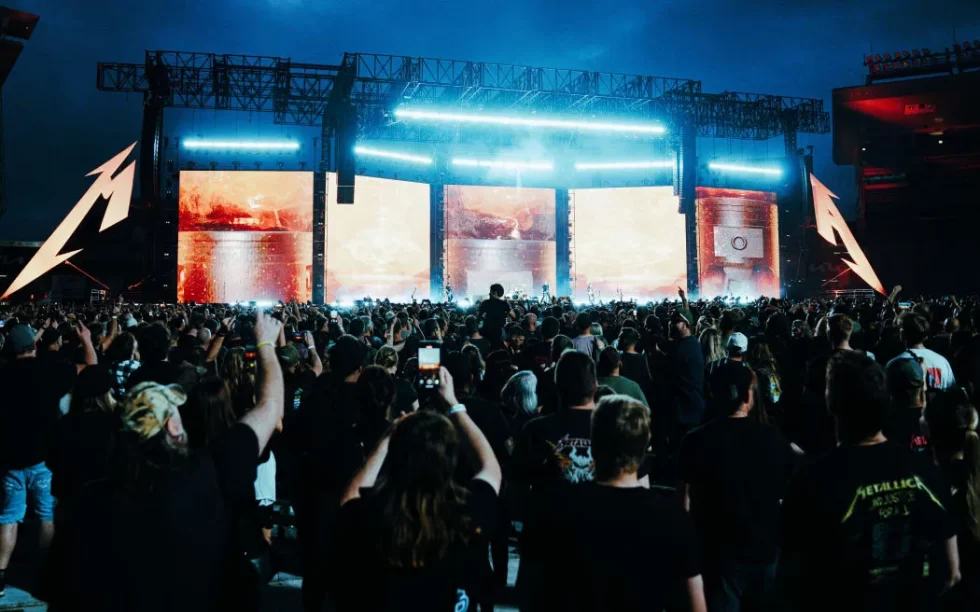
Lisbon’s vibrant festival scene is one of the city’s greatest attractions, drawing crowds from around the world to celebrate music, food, art, and culture. Recently, however, a surprising rumor began circulating online, suggesting that the city council had begun using NFTs to vote on upcoming festivals. The idea spread quickly and sparked mixed reactions ranging from amusement to confusion. While the rumor added a humorous twist to local discussions, the city council swiftly denied the claim, clarifying that no digital collectibles are involved in municipal decision-making.
The rumor may have started as a joke, yet it captured people’s attention for several reasons. Lisbon has become a hub for tech innovation, so the idea of NFTs influencing public decisions felt both funny and oddly believable to some. As the story traveled across social media, it encouraged conversations about how cities handle technology, creativity, and public engagement. Even though the claim turned out to be false, it highlighted how quickly digital rumors can spread in a tech-savvy environment.
How the NFT Voting Rumor Took Off
The most important point in this story is how the rumor began. It reportedly started after a satirical post suggested that city officials were distributing NFT-style digital collectibles to represent different festival proposals. According to the joke, council members would vote transferring the NFT they supported, creating a digital trail of endorsements. Some users shared the post without realizing it was meant as humor, and within hours, screenshots and comments brought the idea to a wider audience.
People found the concept amusing because it blended municipal processes with modern internet culture. NFTs have been associated with art, gaming, and collectibles, so imagining them as tools for public voting created a playful contrast. The rumor spread even faster after several festival organizers joined the conversation, joking that they would design NFTs featuring sardines, Fado guitars, or pastel de nata themes if it were true.
Public Reactions Ranged From Curious to Playful
Once the rumor spread, the public responded with creativity. Some users joked that NFT voting might speed up decisions, while others playfully wondered whether citizens would be able to collect festival NFTs as souvenirs. Artists mocked up illustrations showing official government seals stamped onto digital festival tokens. The overall reaction remained lighthearted, and many people treated the idea as another example of Lisbon’s ability to mix tradition with modern digital humor.
However, a few residents raised genuine questions, curious about whether the city council was considering new digital platforms for public engagement. With technology becoming more common in civic processes globally, the rumor made some people wonder whether digital voting could become normal in the future. The council’s clarification reminded everyone that while innovation is welcome, official decisions must follow established procedures.
Why the City Council Stepped In to Clarify
Although the rumor was playful, the city council felt it was important to address it clearly. Voting on public matters requires accountability, legal structure, and transparency, none of which align with using NFTs. Officials explained that festival decisions involve detailed planning, discussions with cultural experts, and coordination with local communities. Introducing digital collectibles into the process would complicate rather than simplify the workflow.
The clarification also reinforced the council’s commitment to reliable communication. With so many digital platforms spreading information quickly, misunderstandings can grow rapidly. responding promptly, officials prevented unnecessary confusion and kept the focus on real festival preparations.
What the Rumor Reveals About Lisbon’s Tech Identity
Despite being false, the rumor highlights Lisbon’s growing reputation as a tech-forward city where innovative ideas feel almost believable. The city hosts major tech conferences, welcomes digital entrepreneurs, and embraces creative experimentation. This environment makes it easy for humorous concepts to gain traction, especially when they blend civic life with digital culture.
The rumor also shows how familiar the public has become with NFTs and similar technologies. Whether people fully understand them or not, the terms are recognizable enough to inspire jokes, discussions, and artwork. This suggests that digital concepts are becoming part of everyday conversation in Lisbon.
Conclusion
The idea of the Lisbon city council using NFTs to vote on festivals turned out to be nothing more than a playful rumor, but it sparked creative discussions across the city. It highlighted Lisbon’s growing connection to digital culture and the public’s readiness to imagine bold possibilities. While official decisions remain grounded in established procedures, the humorous reaction to the rumor reflects the city’s lively, innovative spirit.