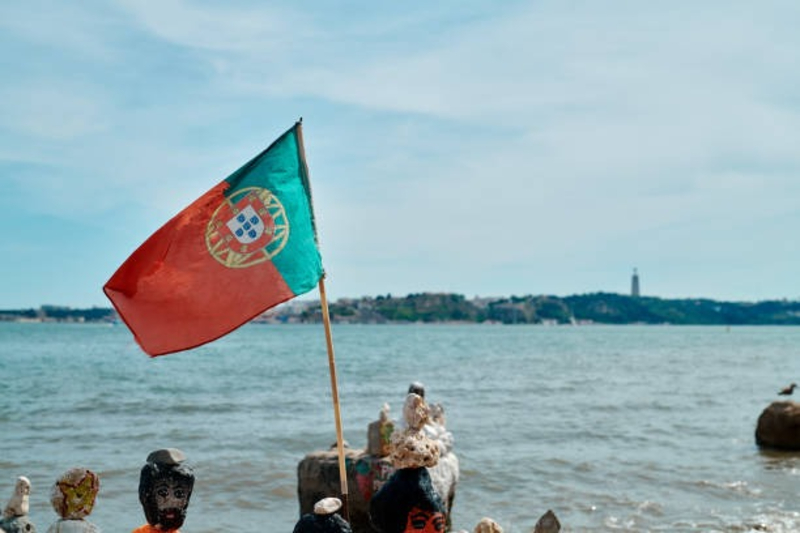
Portugal has always been known for its sunsets, sardines, and beautifully calm energy, but a new idea circulating in government circles suggests that the country may soon add something unexpected to its national identity. According to leaked discussions, officials are exploring the possibility of creating a national meme reserve, a central archive dedicated to preserving, curating, and possibly regulating the country’s most iconic memes. The proposal immediately caused a wave of excitement and confusion among citizens who wondered whether this was an economic plan, a cultural project, or simply a desperate attempt to keep up with Gen Z humor.
Early reactions online show that most people assume the idea is either satire or an elaborate marketing stunt. However, insiders claim that the government is genuinely considering the role memes now play in shaping public opinion and national culture. With internet humor rapidly evolving, policymakers worry that important cultural moments might disappear into digital obscurity. Whether this initiative becomes a serious national project or an entertaining political footnote remains to be seen, but it has already sparked heavy debate across social platforms.
The rise of memes as cultural heritage
Supporters argue that memes have grown beyond jokes and now reflect social mood, political trends, and everyday struggles. They point out that traditional museums capture history through objects and art, while modern life expresses itself through digital storytelling. In their view, a national meme reserve could act as a cultural time capsule, preserving Portugal’s humor, creativity, and collective reactions to major events. Some experts even suggest that memes are becoming valuable indicators of public emotion, serving similar functions to songs, posters, or national slogans.
However, critics remain skeptical. Many see the idea as a sign that the internet is influencing politics more than ever. While they acknowledge the cultural value of memes, they question whether archiving them should be a government priority. Some humorously warn that official recognition could strip memes of their authenticity. Despite these differing opinions, the concept of treating memes as national treasures has sparked widespread curiosity.
How a national meme reserve might operate
Initial drafts propose a digital platform where approved memes are stored, categorized, and made accessible to the public. A committee of cultural analysts and tech specialists would reportedly evaluate which memes qualify for national preservation. Factors may include popularity, originality, historical relevance, and overall cultural impact. This evaluation process quickly became a target for jokes, with users imagining government officials debating the meaning of a confused cat meme or analyzing poorly drawn doodles with exaggerated seriousness.
There are also discussions about integrating public submissions, allowing citizens to nominate their favorite memes for official recognition. This participatory approach could turn the reserve into a community-driven project, although it may also lead to overwhelming volumes of submissions. The possibility of viral voting battles over which memes deserve a place in the national archive has already become a trending topic across Portuguese social media.
Online reactions turn the idea into a larger conversation
The public response has been both enthusiastic and chaotic. Some users love the idea of Portugal becoming the first country to institutionalize meme culture, calling it a bold move that embraces modern identity. Others treat the situation like an ongoing comedy show, producing parody posters, mock government statements, and illustrated blueprints of imaginary meme vaults. TikTok creators have begun staging fake interviews with fictional officials declaring the importance of protecting national meme security.
A number of young content creators expressed excitement that their memes could one day be considered part of national heritage. Meanwhile, older generations appear amused but confused, unsure how a picture of a screaming cartoon duck could represent anything historically significant. Still, the collective discussion has united people in humor and shared curiosity, demonstrating how deeply digital culture now influences everyday life.
Could memes influence national policy?
The debate raises deeper questions about how governments adapt to rapid cultural shifts. Policymakers reportedly see value in understanding how memes affect communication, public engagement, and even political perception. Some analysts argue that ignoring meme culture leaves institutions out of touch with modern society. Others worry that placing official attention on memes could blur the line between entertainment and governance.
Regardless of where the discussion leads, the very idea of a national meme reserve reflects a growing recognition that humor has become a powerful form of social language. For a country known for its creativity, warm spirit, and global digital presence, embracing meme culture may be more natural than it first appears.
Conclusion
Whether Portugal actually launches a national meme reserve or simply enjoys the conversation, the idea highlights how deeply digital humor now shapes cultural identity. Memes have evolved from playful jokes into snapshots of collective emotion, and this proposal shows just how influential they have become.