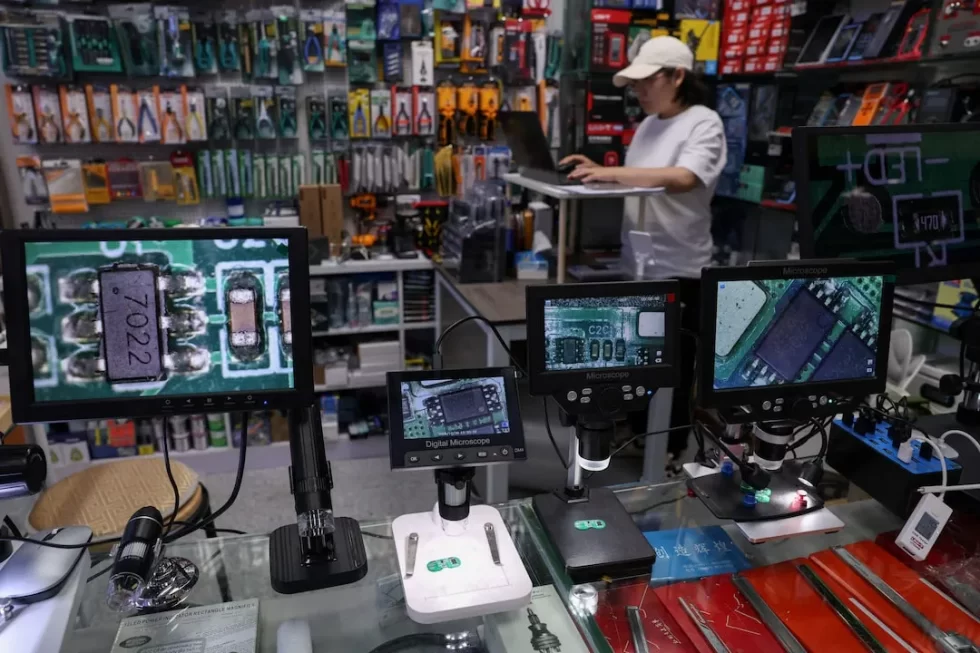
The rapid expansion of artificial intelligence applications has triggered a global shortage of memory chips, putting pressure on manufacturers and raising concerns across the tech industry. Companies developing AI systems now require unprecedented volumes of high performance memory, pushing supply chains far beyond their current limits. Market analysts say the demand spike is unlike anything the semiconductor sector has experienced in years.
The surge is being driven large scale AI models that depend heavily on advanced memory to process vast amounts of data. Cloud providers, research labs and major technology companies are all competing for the same limited resources. As a result, delivery timelines have stretched, prices have increased and production capacity is under strain. This shift has created a race to secure components before competitors can.
Manufacturers are struggling to keep pace despite expanding facilities and investing in new production lines. Memory chips take significant time and precision to produce, making rapid output increases difficult. Industry leaders warn that scaling up requires long term planning and billions in investment. The current imbalance highlights how suddenly the AI boom has escalated global demand.
The shortage is already affecting developers and hardware suppliers. Companies building AI servers and high performance computing systems are reporting delays that slow product launches and research timelines. These bottlenecks also impact smaller firms that lack the purchasing power of global tech giants. Competition for supply has become intense across every segment of the market.
European technology firms are monitoring the situation closely as the continent strengthens its digital transformation strategy. Portugal, which has been expanding its tech ecosystem and attracting new investment, could face challenges as businesses depend on stable access to critical components. Policymakers across the EU are discussing long term semiconductor resilience, including increased domestic production. The crisis has renewed calls for strategic independence in key technologies.
Memory chip suppliers face pressure to prioritise advanced products such as high bandwidth memory and next generation DRAM. These components are essential for training and running AI models used in medicine, finance, security and scientific research. As demand continues to rise, many manufacturers are shifting focus to these specialised chips. This shift could create temporary shortages in mainstream consumer memory as well.
Investors are watching the sector closely as chip makers see strong revenue growth from AI driven demand. However, the supply crunch has raised concerns about market overheating and potential long term bottlenecks. The ability of manufacturers to expand sustainably will play a major role in shaping global technology development. Stability in the memory market is becoming essential for AI adoption.
Looking ahead, industry experts believe the supply crisis may persist until new factories come online and production capacity increases. Governments and private companies are preparing for a multi year effort to balance supply with soaring demand. For now, the AI frenzy continues to reshape global semiconductor markets, underscoring how central memory chips have become to the future of digital innovation.