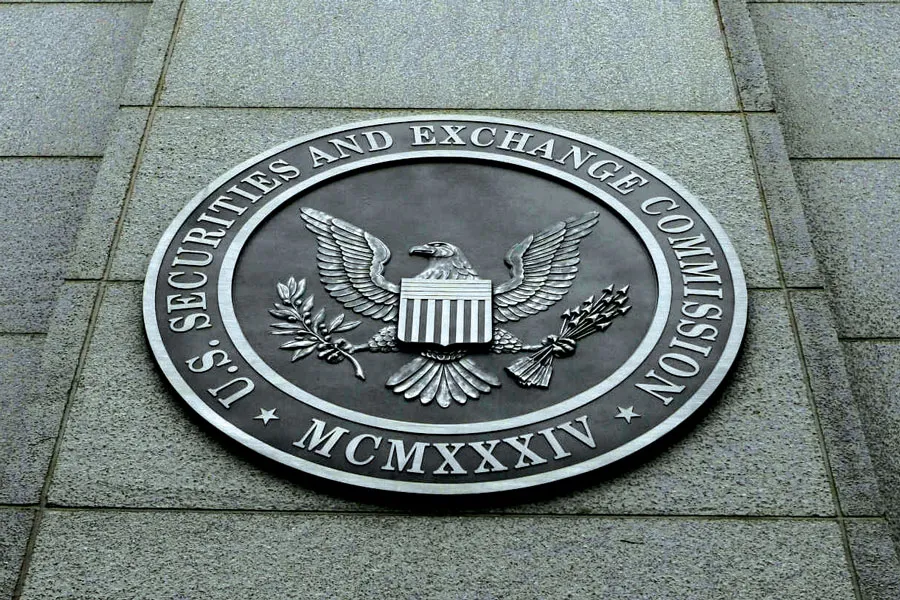
Citadel has issued a formal letter to the Securities and Exchange Commission calling for stricter oversight of decentralized finance protocols. The firm argues that many platforms operate in conditions that resemble traditional exchanges and should therefore fall under similar regulatory expectations. The request has stirred intense debate across the digital asset sector. Industry leaders say the proposal reveals a growing divide between established institutions and decentralized innovators.
The letter urges the agency to examine how DeFi platforms manage liquidity, user interaction and automated trading systems. Citadel’s position is that these elements create market environments that mirror centralised trading structures. The firm believes stronger oversight would help reduce risks linked to unmonitored activity. Their call for clarity reflects a broader push among traditional institutions for consistent rules across all financial systems.
DeFi developers and community advocates responded with sharp criticism. Many argue that decentralized protocols rely on open code rather than central operators, making them fundamentally different from regulated exchanges. They warn that imposing traditional frameworks could undermine decentralization itself. The backlash highlights deep concern over the future shape of United States digital asset regulation.
Legal analysts say the controversy underscores the challenges regulators face in identifying the correct approach to decentralized tools. DeFi systems vary widely in structure and governance, creating difficulty for agencies attempting to apply uniform standards. Experts note that an overly rigid classification could restrict emerging technologies. The debate reflects the struggle to balance innovation with accountability.
Critics also insist that Citadel’s proposal risks concentrating oversight authority in ways that run counter to the principles of decentralization. Many participants in the sector value open access and permissionless participation. They argue that forced compliance with exchange based rules would limit global inclusion and restrict community driven development. Developers fear such measures could push innovation outside of the United States.
Supporters of Citadel’s argument say increased supervision may help reduce fraud and technical vulnerabilities that have affected users in recent years. They claim that clearer rules can promote transparency and strengthen user confidence. However, even supportive voices acknowledge that the regulatory framework must be tailored carefully. Broad definitions could create unintended burdens for smaller projects.
The SEC has not provided a detailed response, but the letter arrives during a period of heightened regulatory focus. Agencies continue to evaluate how digital asset markets fit within existing legal structures. Decisions made over the next year are expected to influence global policy trends. Market observers believe this exchange will play a role in shaping those decisions.
Industry groups are now calling for open dialogue between developers, policymakers and financial institutions. Many believe that collaboration is essential to creating rules that protect users without hindering progress. Transparent consultation could help build trust between competing perspectives. The coming months are expected to bring more structured discussions.
As the debate evolves, the digital asset sector remains divided over how best to define and oversee decentralized systems. Citadel’s letter has intensified that divide, pushing the conversation into the spotlight. The outcome will influence the future of DeFi innovation and set a benchmark for how regulators interpret blockchain based financial services.